3-Day Bali Coffee Beans Itinerary
Bali coffeebeans embody the island's unique terroir and cultural heritage, cultivated in the volcanic highlands, primarily Kintamani.

Bali coffeebeans embody the island’s unique terroir and cultural heritage, cultivated in the volcanic highlands, primarily Kintamani. These arabica beans are renowned for their bright citrus notes, medium body, and smooth finish, often processed using a distinctive wet-hulled method (Giling Basah) that imparts a lower acidity and complex earthy undertones. A journey through Bali’s coffee landscape reveals a blend of traditional farming and modern artisanal roasting.
- Experience direct farm-to-cup journeys in Kintamani’s highlands.
- Savor luxurious coffee tasting flights in Ubud’s sophisticated cafes.
- Discover the cultural significance of coffee within Bali’s Subak system.
The morning mist still clings to the emerald terraces as the first rays of sun ignite the air with a golden hue. A delicate aroma, at once earthy and bright, drifts through the open-air villa, pulling you from slumber. This is Bali, not just a destination for sun-drenched beaches and spiritual retreats, but a hidden gem for the discerning coffee connoisseur. We a 3-day odyssey, a curated exploration into the heart of Bali’s coffee culture, where every sip tells a story of volcanic soil, ancient traditions, and meticulous craftsmanship. This is an invitation to immerse yourself in the nuanced world of bali coffeebeans, an experience designed for those who seek luxury not just in comfort, but in discovery and authentic connection. Prepare for mornings filled with rich brews, afternoons exploring verdant plantations, and evenings reflecting on the complex flavors that define this island’s liquid gold.

Day 1: Ubud’s Artisan Roasters & Kintamani’s Volcanic Terroir
Your journey begins in Ubud, Bali’s cultural heart, where the pulse of artisanal coffee beats strongest. Arriving at your luxury resort, perhaps The Ritz-Carlton, Mandapa, a private driver awaits, ready to whisk you into the day’s first sensory experience. The air here carries the scent of frangipani and freshly roasted beans. Our initial stop is a renowned specialty coffee shop in Ubud, such as Seniman Coffee Studio, where local baristas meticulously craft each cup. Here, an exclusive tasting flight awaits, featuring three distinct origins of Indonesian coffee, including a prized Kintamani Arabica. The flight, priced at approximately IDR 150,000 (around $10 USD), allows for a detailed exploration of flavor profiles, from bright citrus to dark chocolate. You spend a focused hour with a master roaster, understanding the impact of roast levels on the final taste.
By late morning, the landscape transforms as you journey north, a scenic 1.5-hour drive covering approximately 45 kilometers, towards the Kintamani highlands. This region, sitting at elevations between 1,300 and 1,700 meters above sea level, is the birthplace of many exceptional bali coffeebeans. The cool, crisp air is a welcome change, and the panoramic views of Mount Batur and its caldera lake are simply majestic. Here, you visit a family-owned coffee plantation, part of a traditional Subak Abian cooperative – a unique Balinese agricultural system rooted in the philosophy of Tri Hita Karana (harmony with God, humans, and nature). The farmers proudly demonstrate their cultivation practices, explaining how coffee trees thrive alongside citrus fruits, which naturally repel pests and enrich the soil. A private tour and demonstration, including a light Balinese lunch with views overlooking the volcanic landscape, costs around IDR 400,000 (approximately $27 USD) per person. You learn about the wet-hulled processing method, a signature technique for Indonesian arabica, which contributes to its distinct body and lower acidity. This hands-on experience offers an insight into the journey from cherry to bean, a crucial step in understanding the unique character of Bali’s coffee. For further reading on the unique agricultural system of Bali, Wikipedia offers a comprehensive overview of the Subak system.
Ubud’s Morning Brew Culture
Ubud’s coffee scene is vibrant, a sophisticated blend of traditional Balinese hospitality and modern third-wave coffee trends. Establishments like Anomali Coffee or Pison Coffee offer meticulously sourced beans and expert brewing techniques. Your morning ritual involves a pour-over of single-origin Kintamani, allowing its delicate notes of tangerine and brown sugar to unfold. Each cafe visit is not just about the coffee; it’s an opportunity to observe local life, engage with passionate baristas, and absorb the creative energy that permeates Ubud. Many of these cafes source their beans directly from Kintamani, forging strong relationships with local farmers, ensuring fair trade practices and sustainable cultivation. A typical specialty coffee here costs around IDR 45,000 (about $3 USD), a small price for an exquisite experience.
Kintamani Highlands: Source of the Bean
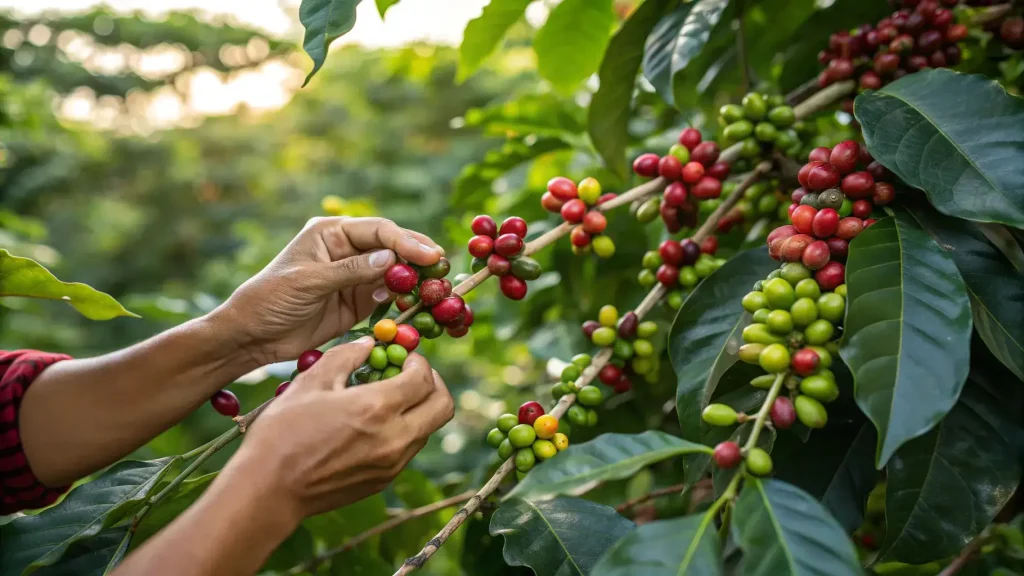
The Kintamani region is not merely a coffee-growing area; it is an ecosystem sustained by spiritual principles and communal harmony. The volcanic soil, rich in nutrients from ancient eruptions, provides an ideal environment for Arabica coffee trees. Farmers here do not use chemical pesticides, relying instead on natural methods and the symbiotic relationship with other crops. The average farm size is small, often less than 1 hectare, allowing for meticulous care of each plant. The coffee cherries are hand-picked, ensuring only the ripest are selected. This commitment to quality at every stage is what elevates Kintamani coffee, making it a highly sought-after commodity globally. The cooperative structure means that profits are shared, supporting the entire community and preserving traditional farming methods that have existed for centuries. You might even witness a traditional Balinese blessing ceremony for the crops, the deep spiritual connection the farmers have with their land.
Day 2: Munduk’s Mist & Jatiluwih’s Emerald Fields
Day two takes you deeper into Bali’s lush northern highlands, a 2-hour drive from Ubud, covering approximately 60 kilometers, to the cooler, mist-shrouded region of Munduk. This area is less frequented by mass tourism, offering an intimate glimpse into Bali’s agricultural heartland. Your luxury accommodation, perhaps Munduk Moding Plantation Nature Resort & Spa, integrates seamlessly with the natural environment, surrounded by coffee, clove, and rice plantations. Here, the air is cooler, often between 20-25°C, providing perfect conditions for certain coffee varietals. Today’s focus is on understanding the diverse agricultural practices and the nuanced impact of microclimates on coffee flavor. You a guided trek through a working coffee and clove plantation, learning about intercropping and sustainable farming techniques. The tour, often led by a local farmer, provides invaluable insights into the daily lives of those who cultivate Bali’s precious crops. The cost for such an immersive plantation trek, including a traditional Balinese snack, is typically around IDR 300,000 (approximately $20 USD).
In the afternoon, the journey continues southwest for about 1 hour (30 kilometers) to the UNESCO World Heritage-listed Jatiluwih Rice Terraces. While not directly a coffee destination, Jatiluwih offers a profound understanding of Bali’s Subak irrigation system, which also underpins the Kintamani coffee cooperatives. These emerald fields cascade down volcanic slopes, centuries of harmonious human-nature interaction. Walking through these terraces, you witness the intricate network of canals and temples that distribute water equitably, a system dating back to the 9th century. The sheer scale of the terraces, covering over 600 hectares, is awe-inspiring. A stop for a gourmet lunch at a restaurant overlooking the terraces, offering fresh, local produce, allows for reflection on the island’s agricultural ingenuity. The entrance fee to the Jatiluwih Rice Terraces is IDR 40,000 (about $2.70 USD) per person. This detour provides essential context for the sustainable practices that define the production of premium bali coffeebeans, emphasizing the interconnectedness of all agricultural endeavors on the island. For more information on this iconic site, visit the official UNESCO World Heritage Centre page for the Cultural Landscape of Bali.
Munduk: Coffee & Clove Whispers
Munduk’s higher altitude and cooler climate create a distinct environment for coffee cultivation. While Kintamani is famous for its bright Arabica, Munduk offers a different spectrum, sometimes including Robusta varietals that thrive in slightly lower elevations and produce a bolder, richer cup. The region is also famous for its cloves, the aroma of which subtly infuses the air and, some believe, even the coffee beans grown nearby. Exploring a local processing center, you observe the meticulous sorting and drying of beans, a crucial stage in developing their flavor. Farmers here often use sun-drying methods, spreading the beans on raised beds to ensure even drying and prevent mold. This slow, careful process can take up to two weeks, depending on the weather, and is a key factor in the quality of the final product. You might even participate in a small coffee roasting demonstration, using traditional methods over an open fire, a practice that adds a unique smoky nuance.
Jatiluwih: A Landscape of Harmony
The Jatiluwih Rice Terraces are not just a sight to behold; they are a living example of Bali’s deep spiritual connection to its land and water. The Subak system, a democratic and cooperative water management system, ensures that every farmer receives an equitable share of water from the mountain springs. This system is governed by water temples (Pura Tirta), where priests perform rituals to ensure harmony and fertility. The principles of Subak – self-sufficiency, ecological balance, and community cooperation – are mirrored in the sustainable practices of the Kintamani coffee farmers. Understanding Jatiluwih provides a broader appreciation for the ecological wisdom embedded in Balinese agriculture, which directly contributes to the exceptional quality and unique characteristics of bali coffeebeans. The terraces are a vibrant of greens, changing shades with the seasons, from the bright young shoots to the golden mature rice ready for harvest, a cycle that repeats approximately three times a year.
Day 3: Seminyak’s Chic Cafes & Departure Delights
On your final day, the journey transitions from the tranquil highlands back to the sophisticated coastal vibrancy of Seminyak, a comfortable 2.5-hour drive covering approximately 75 kilometers. Here, the coffee scene takes on a more cosmopolitan flair, blending international trends with local flavors. Your morning begins with a visit to one of Seminyak’s premier coffee establishments, such as Revolver Espresso or Sisterfields. These cafes are known for their expertly trained baristas and a curated selection of both local and international beans. You indulge in a gourmet brunch experience, perhaps a deconstructed avocado toast paired with a meticulously prepared flat white featuring a single-origin Bali Arabica. A typical brunch with specialty coffee costs around IDR 400,000 (approximately $27 USD). This provides a modern counterpoint to the traditional farm experiences, showcasing how Bali’s coffee culture evolves while retaining its roots. Engage with the baristas, who are often passionate advocates for sustainable sourcing and innovative brewing methods, discussing the latest trends in coffee preparation and consumption.
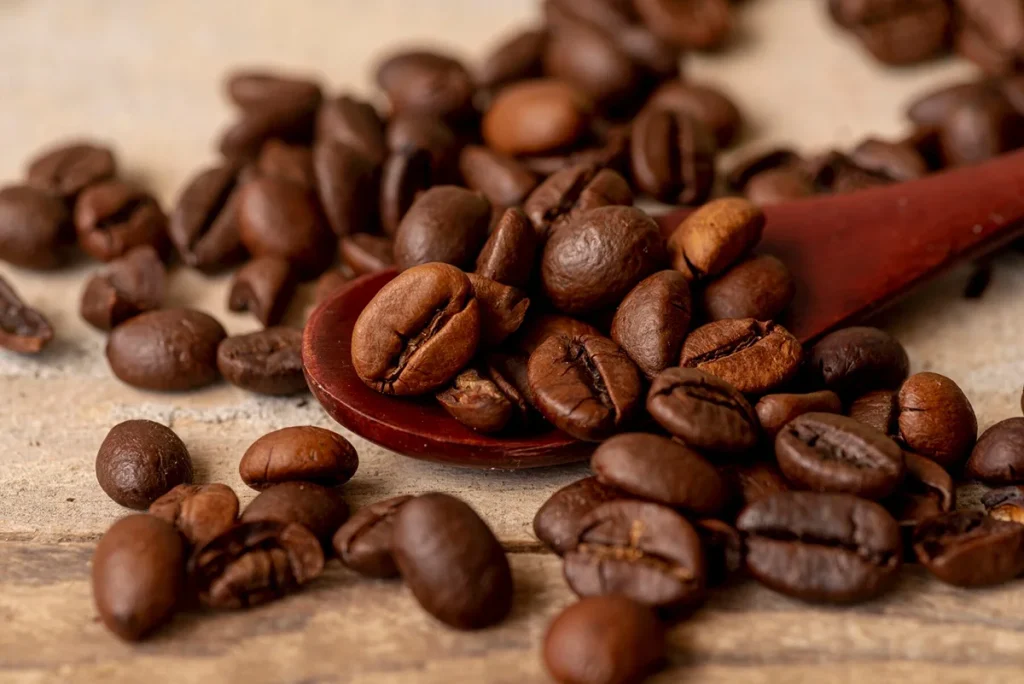
The afternoon is dedicated to a final, luxurious coffee indulgence and souvenir shopping. Visit a high-end gourmet store or a specialized coffee boutique to select premium bali coffeebeans to take home. Look for single-origin Kintamani, or perhaps a unique blend that captures the essence of your trip. Many stores offer vacuum-sealed bags of freshly roasted beans, ensuring their freshness for your journey home. Prices for a 250-gram bag of specialty Bali Arabica typically range from IDR 100,000 to IDR 250,000 (approximately $7-17 USD), depending on the roaster and specific bean. You might also find exquisite coffee-related merchandise, from handcrafted ceramic cups to artisanal brewing equipment. As your departure approaches, a final spa treatment at a world-class establishment, like The Mulia Spa, provides a moment of relaxation before heading to Ngurah Rai International Airport (DPS), which is approximately a 30-minute drive from Seminyak. This itinerary ensures you depart not just with souvenirs, but with a deeper appreciation for the complex journey of Bali’s coffee, from earth to cup. For more insights on Bali’s vibrant offerings, explore our curated guide to luxury resorts in Bali.
Seminyak’s Urban Brew Labs
Seminyak’s coffee landscape is Bali’s growing appeal as a global lifestyle destination. Cafes here are often design-forward, offering chic interiors and outdoor seating perfect for people-watching. Beyond the aesthetics, the quality of the coffee is paramount. Many establishments boast state-of-the-art espresso machines and highly skilled baristas who can perform intricate latte art. The focus is on consistency and innovation, offering everything from cold brews and nitro coffees to elaborate signature drinks. These urban brew labs serve as a fantastic showcase for how Balinese coffee adapts to and influences international coffee trends, making it accessible to a wider audience while maintaining its inherent quality. You might even stumble upon a coffee cupping session, allowing you to sample a wider range of beans and discern their subtle differences.
Curated Departures
Before heading to the airport, consider a final, thoughtful purchase. Many high-end boutiques in Seminyak offer beautifully packaged bali coffeebeans, often accompanied by tasting notes and origin stories. This is an opportunity to bring a piece of Bali’s rich coffee culture back to your own kitchen. Look for certifications like organic or fair trade, which guarantee ethical sourcing and sustainable practices. Beyond beans, perhaps a hand-carved wooden scoop or a traditional Balinese coffee filter makes for a meaningful memento. Your private driver ensures a seamless transfer to the airport, allowing you to reflect on the diverse sensory experiences of the past three days. The journey concludes, but the flavors and memories of Bali’s exceptional coffee linger, inviting you to relive the experience with every future cup.
Luxury Logistics & Pricing Insights
Embarking on a luxury Bali coffee itinerary requires meticulous planning, but the rewards are immeasurable. Private transportation is non-negotiable for seamless travel between destinations. A dedicated driver and luxury vehicle, such as a Toyota Alphard or similar, typically costs between IDR 700,000 to IDR 1,000,000 (approximately $45-65 USD) per day, including fuel and driver services. This ensures comfort, flexibility, and valuable local insights. Accommodation in high-end resorts like Capella Ubud, Four Seasons Sayan, or Munduk Moding Plantation ranges from $400 to $1,000+ per night, depending on the season and room category. These resorts often offer exclusive amenities and personalized services that elevate the entire experience. Dining experiences, from gourmet Balinese cuisine to international fine dining, can average IDR 500,000 to IDR 1,500,000 (approximately $35-100 USD) per person per meal at top-tier establishments. The specialized coffee tours and tastings, as detailed in the itinerary, generally range from IDR 150,000 to IDR 400,000 ($10-27 USD) per person per activity. A conservative estimate for a 3-day luxury bali coffeebeans journey, excluding international flights, would be in the range of $2,500 – $4,500 per couple, covering accommodation, private transport, high-end dining, and exclusive coffee experiences. This budget allows for an immersion into Bali’s coffee culture without compromise. For more comprehensive travel advice, visit the official Indonesia.travel website for Bali.
The Soul of Bali Coffee: Beyond the Cup
The journey through Bali’s coffee landscape is more than a series of tastings; it is an exploration of a profound connection between land, people, and tradition. The distinct character of bali coffeebeans is intrinsically linked to the island’s unique agricultural practices and spiritual philosophy. Approximately 80% of Bali’s coffee is grown by smallholder farmers, often on plots less than an acre, meticulously tended by hand. This dedication ensures quality over quantity, fostering a sustainable ecosystem where coffee thrives alongside other crops like citrus and spices. The Subak Abian system, a community-based cooperative, ensures that farmers share resources and knowledge, upholding a collective responsibility for the land. This contrasts sharply with large-scale industrial farming, preserving biodiversity and traditional methods. The result is a coffee that carries the essence of Bali – a harmonious blend of natural richness and human care. Each bean tells a story of volcanic soil, tropical rain, and the hands that nurture it, a narrative steeped in the island’s spiritual respect for nature. Understanding this holistic approach enriches every sip, transforming a simple cup of coffee into a cultural experience. This deep connection to the land and community makes Bali coffee truly special, the island’s enduring traditions. Explore more about Bali’s cultural on our homepage.
As the final notes of Kintamani Arabica linger on your palate, a profound appreciation for Bali’s coffee heritage takes root. This 3-day itinerary offers more than just a taste of exceptional beans; it provides a window into the island’s soul, revealing the intricate dance between nature, culture, and craftsmanship that defines every cup. From the volcanic slopes of Kintamani to the chic cafes of Seminyak, you have witnessed the dedication, passion, and artistry that elevate bali coffeebeans to a global standard of excellence. Let this curated journey inspire your next adventure, inviting you to deeper into the world’s most captivating flavors. Begin planning your own bespoke Balinese coffee odyssey today.