Best Time for Bali Coffee Beans
The optimal time to experience Bali and its coveted bali coffee beans is during the dry season, spanning May to September.

The optimal time to experience Bali and its coveted bali coffee beans is during the dry season, spanning May to September. This period offers ideal weather with low humidity and abundant sunshine, perfect for exploring coffee plantations and enjoying the island’s diverse landscapes. It also aligns with the primary harvest for many premium Arabica varietals, ensuring the freshest bean experiences.
- Peak Harvest: May through September for Arabica beans, offering farm-to-cup insights.
- Ideal Weather: Consistent sunshine and minimal rainfall across the island.
- Optimal Travel: Best conditions for cultural excursions, beach days, and marine adventures.
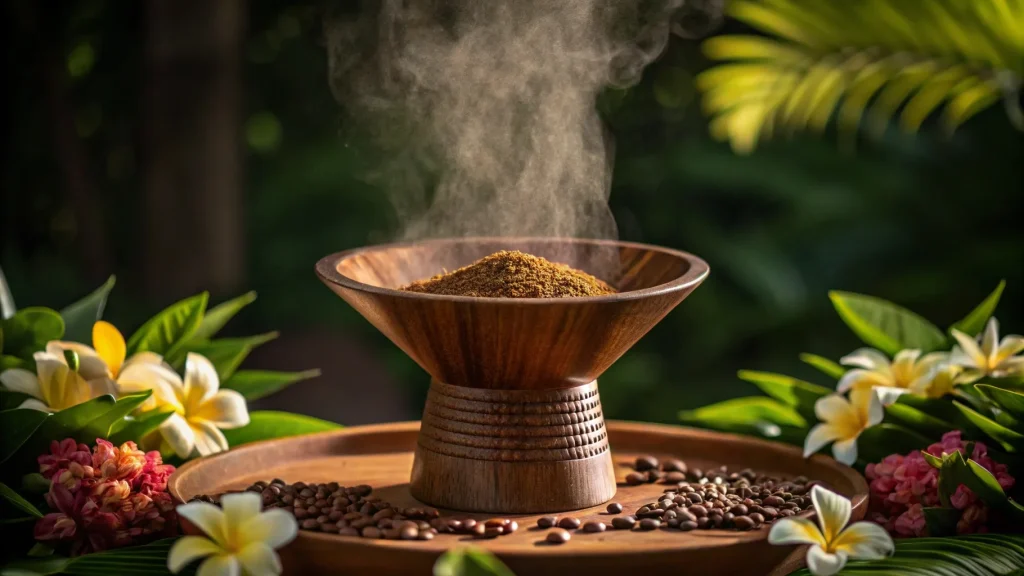
Imagine the air, thick with the scent of frangipani and the distant murmur of temple gongs, carrying also the subtle, roasted perfume of freshly ground coffee. The sun, a warm caress on your skin, filters through emerald rice paddies, illuminating the path to a small, open-air café. Here, a cup of Bali’s liquid gold awaits, its complex notes of citrus and dark chocolate unfolding on your palate. This isn’t just a fantasy; it’s the promise of Bali, an island where every moment is an invitation to sensory immersion. But for the discerning traveler, timing is everything, especially when seeking the perfect confluence of climate, culture, and the very best bali coffee beans. Understanding the island’s rhythm – from the subtle shift in ocean currents to the precise timing of the coffee harvest – elevates a trip from memorable to transcendent.
The Dry Season: Peak Perfection for Beans and Beyond (May – September)
For many, the dry season represents Bali at its most quintessential, a period of unwavering sunshine and boundless opportunity. From May to September, the island basks in consistently clear skies, with average daily temperatures hovering around 28-30°C. Humidity levels drop significantly, making exploration, whether through ancient temples or sprawling coffee estates, a pure delight. This is the prime window for harvesting many of Bali’s premium Arabica bali coffee beans, particularly in the volcanic highlands of Kintamani. Farmers are busy hand-picking ripe, red cherries, and the air around processing centers often carries the sweet, fermenting aroma of fresh fruit. A visit during this time offers an insight into the farm-to-cup journey. Expect minimal rainfall, typically less than 50mm per month, ensuring uninterrupted beach days and optimal conditions for trekking. However, this perfection comes with increased popularity; hotel occupancy rates can soar above 90%, and flight prices see a significant uplift, sometimes 20-30% higher than off-peak. Booking luxury accommodations and sought-after dining experiences 6-9 months in advance is advisable.
July & August: The Island’s Vibrant Pulse
These two months sit at the zenith of Bali’s dry season, offering the most reliable weather and a palpable buzz across the island. Average rainfall plummets to just 20mm in August, creating perfect conditions for every imaginable activity. The marine conditions are exceptional, with water visibility often exceeding 25-30 meters around Nusa Penida and Candidasa, making it ideal for diving and snorkeling amongst vibrant coral gardens and manta rays. Festivals like the Bali Arts Festival (June-July) infuse the air with cultural performances, drawing crowds. While the experience is undeniably vibrant, it’s also the most crowded. Major tourist hubs like Seminyak and Ubud experience peak foot traffic, and popular attractions can have longer queues. Expect luxury villa rates to be at their highest, often 30-40% above shoulder season prices. Despite the crowds, the energy is infectious, and the opportunity to witness the peak of the bali coffee beans harvest and processing is a unique draw for connoisseurs.
May & June: Early Dry Season Serenity
As the last vestiges of the wet season fade, May and June emerge as a sweet spot for those seeking the dry season’s advantages with slightly fewer crowds. Temperatures remain comfortably warm, averaging 29°C, and humidity is noticeably lower. Rainfall is minimal, typically around 70-100mm, usually manifesting as brief, refreshing afternoon showers that quickly dissipate. This period still offers excellent marine conditions, with calm seas and good visibility for water sports, but without the intense demand of July and August. You’ll find better availability at luxury resorts and potentially save 10-15% on accommodation costs compared to peak season. It’s an ideal time for leisurely exploration of coffee plantations in Kintamani, as the Arabica harvest is in full swing, allowing for immersive tours and tastings without the bustling groups. The cultural calendar also begins to fill, but without the overwhelming intensity of the mid-dry season peak, offering a more serene yet equally enriching experience.
Shoulder Season Sweet Spot: April & October
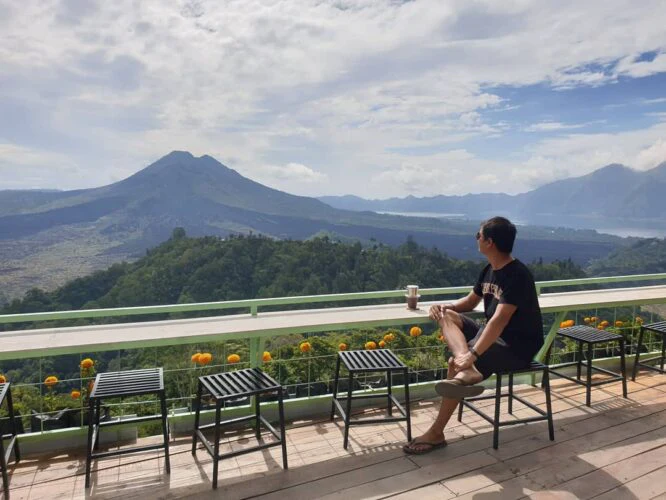
These transitional months offer a compelling balance for the discerning traveler, marrying good weather with a more relaxed atmosphere and often more attractive pricing. April marks the gradual retreat of the wet season, with rainfall decreasing to around 150mm, mostly in the form of brief, scattered showers. October, conversely, sees the dry season gently giving way to the first hints of monsoonal activity, with similar rainfall patterns. Temperatures remain consistently warm, averaging 30-31°C. During these periods, the island is still lush and green from the preceding rains, yet the sun shines reliably for most of the day. Crowds are noticeably thinner than in the peak dry season, leading to more intimate experiences at popular sites and easier access to high-demand restaurants. Luxury hotel rates can be 15-20% lower than peak season, and airfares often present more competitive options. For bali coffee beans enthusiasts, April offers a chance to see the tail end of the harvest or the beginning of processing activities, while October provides insight into the post-harvest period and preparation for the next cycle. Marine conditions are generally favorable, though occasional choppier seas might be encountered in October as the winds shift.
Wet Season Wonders & Quiet Charms (November – March)
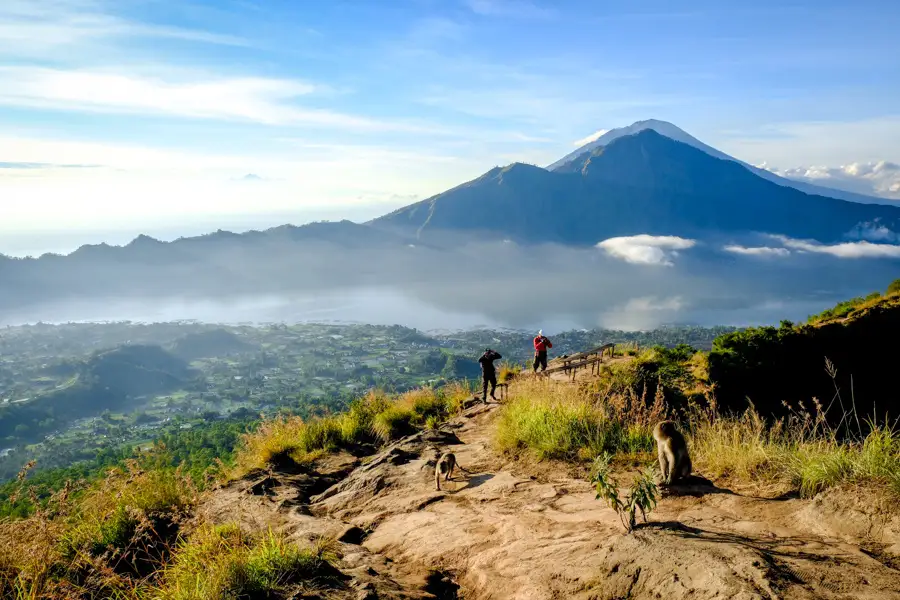
While often perceived as the “off-season,” Bali’s wet season offers a distinct and often deeply rewarding experience for those who embrace its unique rhythm. From November to March, the island receives its heaviest rainfall, with monthly averages often exceeding 250-300mm, peaking in January and February. Showers can be intense but are often confined to late afternoons or evenings, leaving mornings and early afternoons clear for exploration. The landscape transforms into a vibrant, almost impossibly green paradise, with rice paddies shimmering and waterfalls thundering. Humidity levels are higher, around 85-90%. This is the season of fewer tourists, allowing for a more authentic and unhurried immersion into Balinese life. You’ll find significantly lower prices across the board; luxury villas might see discounts of 30-40% compared to peak season, and flight deals are abundant. While the main Arabica harvest for bali coffee beans is over, this is a prime time for coffee processing, drying, and tasting the fruits of the previous season’s labor. Many local festivals occur during these months, offering genuine cultural encounters away from the tourist crush. Marine conditions can be choppier, especially on the west coast, but sheltered bays and eastern dive sites often remain accessible, though visibility might be reduced to 10-15 meters.
December-February: Holiday Rains and Festive Spirit
Despite being the heart of the wet season, December and January experience a surge in visitors due to Christmas and New Year holidays. While rain is frequent, the festive atmosphere is undeniable. Expect higher prices and more crowds around popular holiday destinations during this specific window, though still less than the dry season peak. February and March, however, represent the true low season. Rainfall remains high, but the post-holiday lull means significantly fewer tourists and the absolute best deals on luxury travel. This is an excellent time for wellness retreats, cooking classes, and exploring Bali’s rich artistic heritage, as the rain provides a natural excuse to linger indoors. The lushness of the landscape is at its peak, creating breathtaking photographic opportunities. Many Balinese families are also engaged in community and religious ceremonies, offering a chance to witness authentic traditions. For the dedicated coffee enthusiast, these months provide an opportunity to deeper into the roasting and brewing processes of bali coffee beans, rather than just the raw harvest, often with more personalized attention from local producers.
Harvest Rhythms: When Bali Coffee Beans Shine
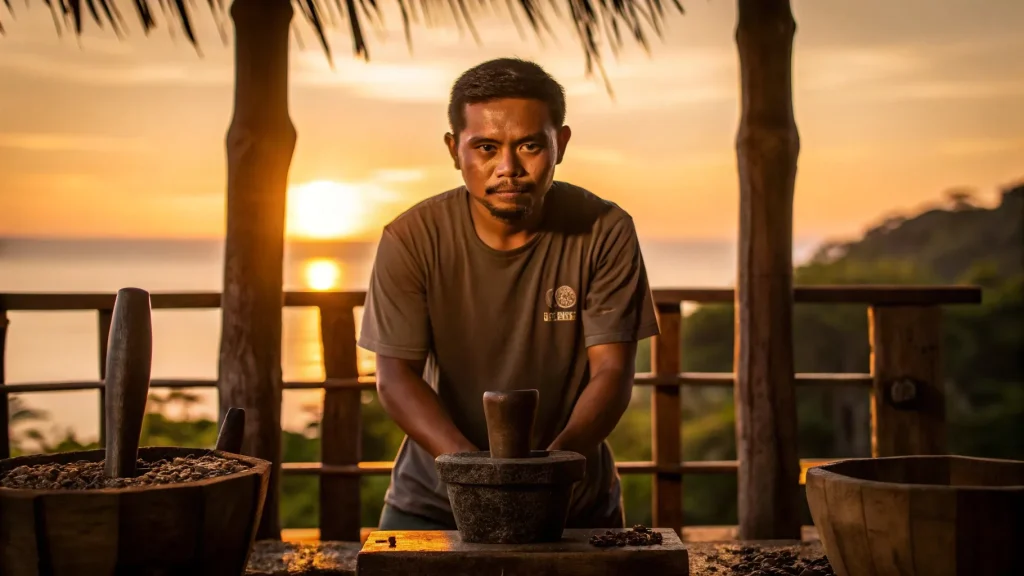
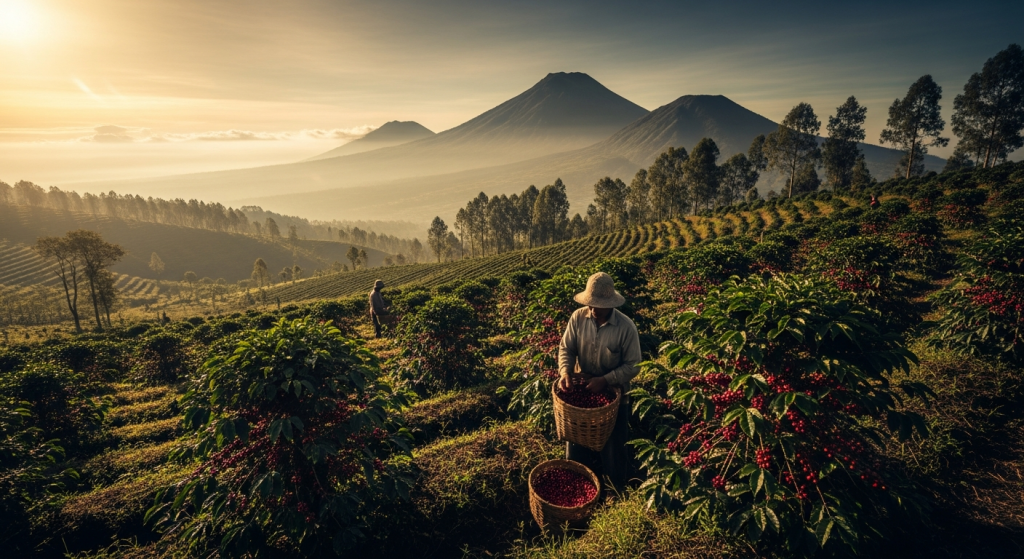
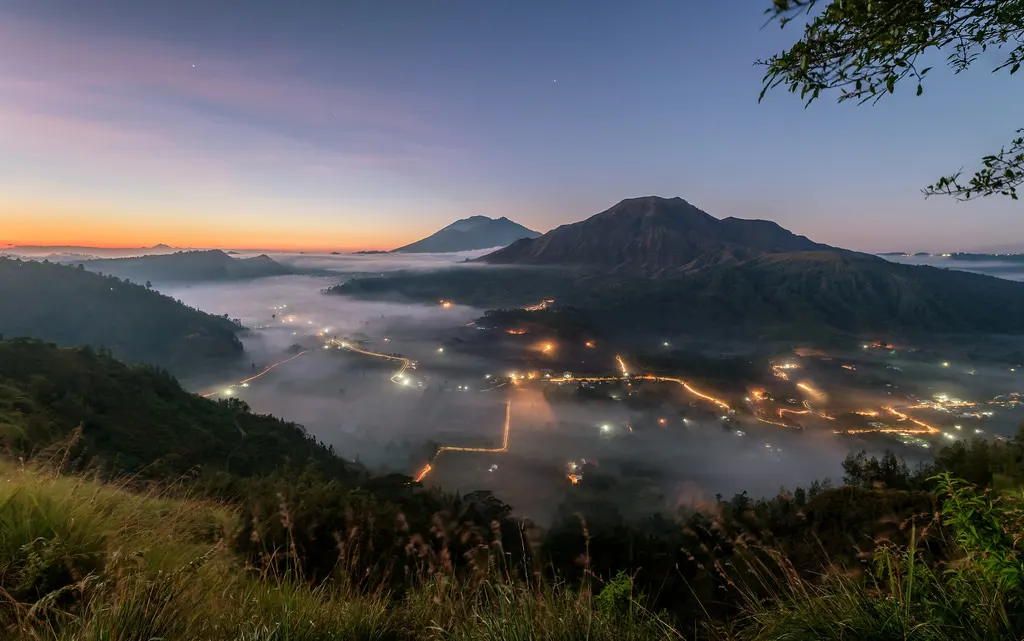
The soul of Bali’s coffee culture lies in its harvest, a meticulous, labor-intensive process that dictates the quality of each cherished bean. For the celebrated Arabica varietals, particularly those from the Kintamani region, the primary harvest season runs from May to September. This aligns perfectly with Bali’s dry season, as the lack of rain allows for optimal drying conditions, crucial for developing the complex flavors of the bali coffee beans. Kintamani, located at altitudes ranging from 1,000 to 1,700 meters above sea level, benefits from a unique microclimate and volcanic soil, contributing to the coffee’s distinctive citrus and chocolate notes. Robusta coffee, grown at lower altitudes, has a slightly different harvest window, often extending into the wet season, but Arabica remains the star. Visiting during the harvest allows you to witness pickers carefully selecting only the ripe, red cherries by hand – the commitment to quality. You can observe the subsequent stages: pulping, fermentation (often using the traditional wet-hulled or Giling Basah method unique to Indonesia), washing, and sun-drying. This entire process, from picking to dry parchment, can take several weeks, each step critical to the bean’s final profile. Many coffee farms offer guided tours and cupping sessions, providing a profound appreciation for the effort behind your morning brew. For an immersive experience, consider a stay at a luxury resort near Ubud or Kintamani, offering exclusive access to coffee plantation visits. Learn more about the unique processing methods on Wikipedia’s page on Indonesian coffee production.
Navigating Crowds and Costs
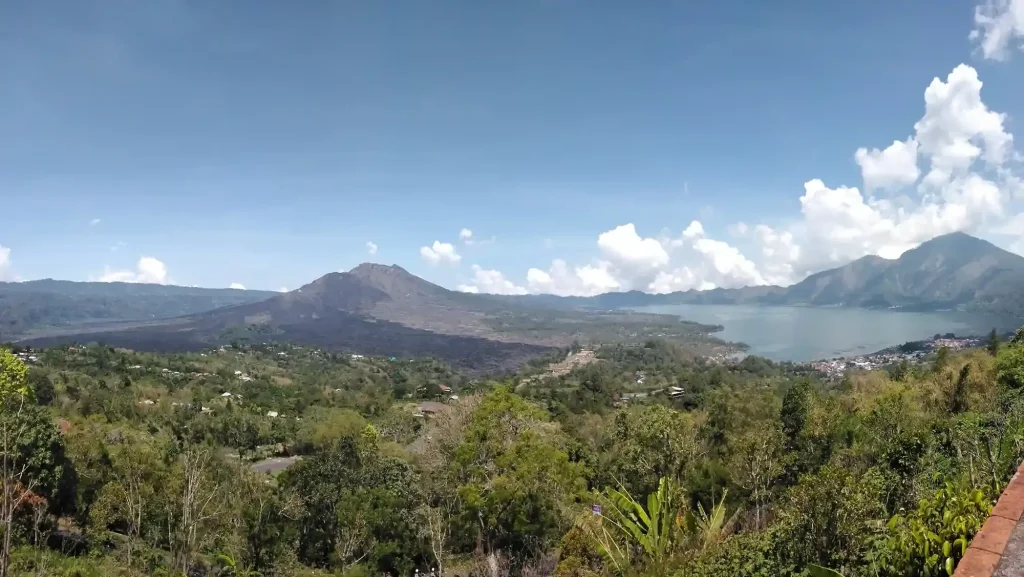
Understanding Bali’s seasonal fluctuations is key to crafting your ideal luxury escape, particularly concerning crowds and budget. The high season, encompassing July, August, and the Christmas/New Year period (late December to early January), sees the highest influx of tourists. During these times, popular areas like Seminyak, Canggu, and Ubud are bustling, and reservations for top restaurants and exclusive experiences are essential, often needing to be made months in advance. Flight prices can be 20-40% higher, and luxury villa rates surge, sometimes by 50% or more, with limited availability. The shoulder seasons of April, May, June, September, and October offer a sweet spot. Crowds are manageable, the weather is generally excellent, and you can often find better deals on flights and accommodation, typically 10-25% lower than peak rates. This allows for a more relaxed pace and greater spontaneity in your itinerary. The low season, from November to March (excluding the holiday surge), presents the most significant savings, with flight and hotel prices often slashed by 30-50%. While rain is more frequent, the island feels more authentic and serene. Average daily tourist spend can vary by up to 35% between peak and low seasons. For a truly bespoke experience of luxury Bali travel, consider booking 8-12 months ahead for peak season, 4-6 months for shoulder, and 2-3 months for low season to secure the best properties at optimal rates. This strategic planning ensures you experience the island’s magic without compromise.
Beyond the Bean: Marine Life and Island Adventures
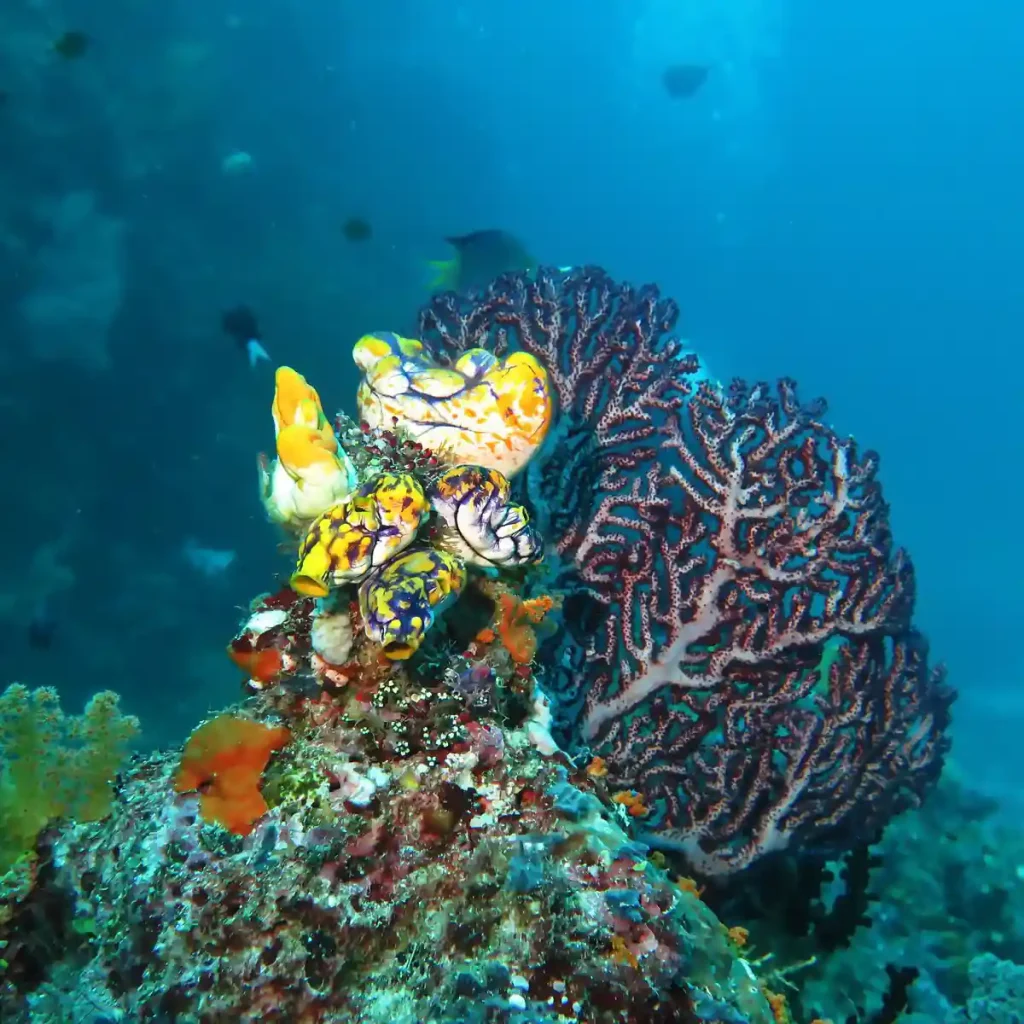
While the allure of bali coffee beans is undeniable, Bali offers a spectrum of luxury experiences, with its pristine waters and vibrant marine life being a significant draw. The dry season (May-September) is unequivocally the best time for marine activities. The seas are calm, currents are generally gentler, and underwater visibility is at its peak, often reaching 25-30 meters. This creates perfect conditions for diving, snorkeling, and sailing excursions to the Nusa Islands (Lembongan, Ceningan, Penida), where you can encounter majestic manta rays, vibrant coral reefs, and diverse fish species. Boat transfers to Nusa Lembongan take approximately 30-45 minutes from Sanur. Water temperatures remain consistently warm, averaging 26-29°C year-round, making swimming always inviting. During the wet season (November-March), while the land transforms, marine conditions can be more variable. The west coast might experience choppier seas and reduced visibility due to runoff, but sheltered bays on the east coast, particularly around Candidasa and Amed, often remain viable for diving and snorkeling. Surfers, however, find the wet season brings better waves to the east coast breaks, while the dry season favors the west. For a comprehensive overview of Bali’s diverse offerings, including its stunning coastlines and marine parks, explore Indonesia.travel’s official guide to Bali. Regardless of the season, a luxury yacht charter or a private snorkeling trip can be arranged, offering an exclusive way to discover Bali’s aquatic wonders, ensuring your journey is as rich below the surface as it is on land.
The rhythm of Bali is an intricate dance of seasons, each offering its own unique charm and an optimal window for different experiences. Whether you seek the vibrant energy of the dry season, the tranquil beauty of the wet season, or the balanced allure of the shoulder months, understanding these cycles unlocks the island’s full potential. To truly savor the essence of Bali, from its sun-drenched beaches to its aromatic bali coffee beans, careful planning is paramount. Chart your course, embrace the island’s pulse, and prepare for an unforgettable journey tailored precisely to your desires. Your perfect Balinese adventure, steeped in luxury and authentic discovery, awaits.