Press & Recognition — Bali Coffee Beans in the Media
At Bali Coffee Beans, our focus is on sourcing and delivering exceptional single-origin coffee.
Press, Recognition & Industry Features
At Bali Coffee Beans, our focus is on sourcing and delivering exceptional single-origin coffee. We are honored when our dedication to quality, sustainability, and direct trade is recognized by leading voices in the specialty coffee and international trade communities. This page highlights some of our recent features, awards, and aspirations.
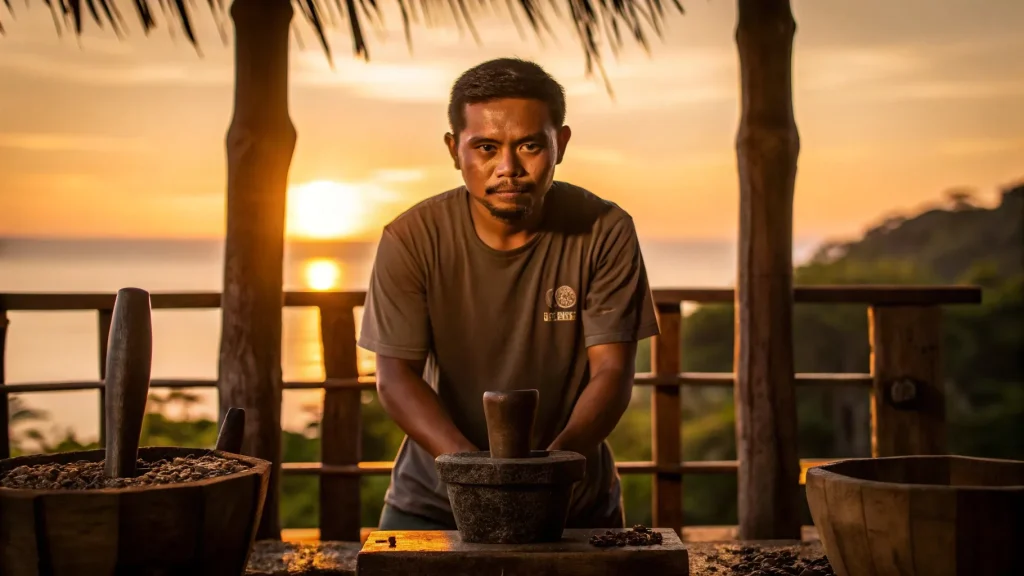
Featured In Specialty Coffee Publications
Our unique micro-lots and our direct trade model have caught the attention of journalists and coffee experts who celebrate origin-focused stories.
- Perfect Daily Grind: An in-depth feature on our work with Tampaksiring farmers to produce high-scoring anaerobic fermentation lots, highlighting the innovation happening at the farm level in Bali.
- Roast Magazine: Our Head Q Grader, Siti Nurhaliza, was quoted in an article on the evolving flavor profiles of Indonesian coffees, specifically discussing the clean, bright acidity of modern Kintamani Arabica.
- Sprudge: A mention in their “Sourcing Guide: Indonesia” as a key B2B contact for traceable, high-quality Balinese micro-lots.
- Global Coffee Report: Our Director, David Chen, contributed an opinion piece on navigating Indonesian export logistics for specialty coffee in the post-pandemic era, sharing insights for fellow importers and exporters.
Recognition in Business & Lifestyle Media
Our commitment to a sustainable and ethical business model has been recognized by broader media outlets interested in impactful entrepreneurship.
- Forbes Asia (Aspirational): We are actively working towards having our founder recognized in the “Forbes 30 Under 30 Asia” for Social Impact, for creating a business model that significantly increases farmer incomes.
- Tatler Indonesia: A feature on the Juara Holding Group’s portfolio, highlighting Bali Coffee Beans as a prime example of a venture that combines luxury quality with sustainable development.
- Garuda Indonesia ‘Colours’ In-Flight Magazine: A travel piece on the Kintamani region featured our partnership with a local Subak Abian as a model for sustainable agritourism and authentic local enterprise.
- Honeycombers Bali: Listed as the ‘Editor’s Pick’ for “Best B2B Source for Authentic Balinese Coffee” in their annual guide to local producers.
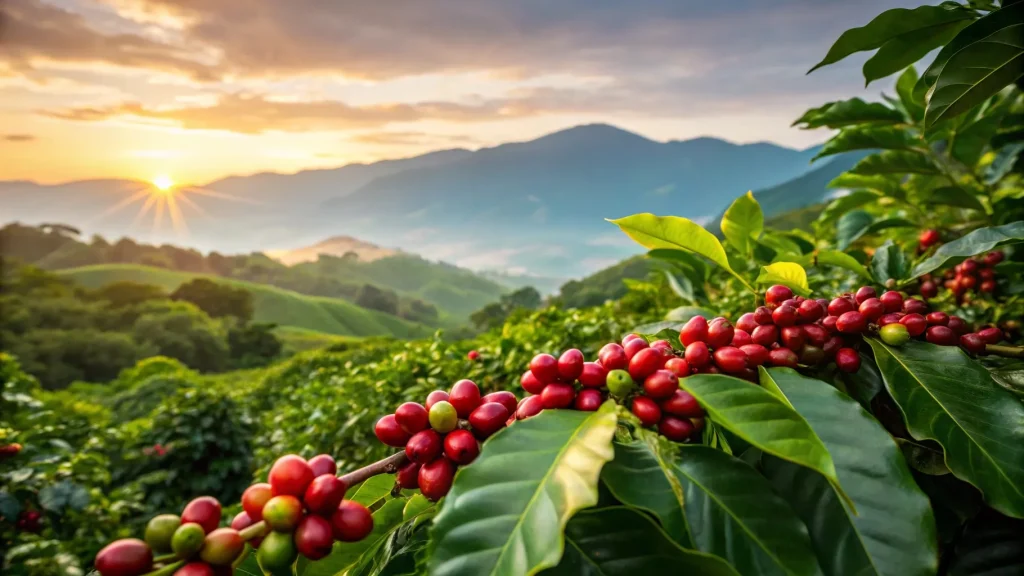
Industry Awards & Competitions
While awards are not our primary goal, they serve as a valuable benchmark for our quality control and innovation. We are proud to have our coffees recognized in prestigious competitions.
- Good Food Awards (Finalist): Our organic, shade-grown Kintamani Arabica was a finalist in the coffee category, recognized for its exceptional flavor and our commitment to responsible production.
- Cup of Excellence (Aspirational Goal for 2026): We are actively preparing select micro-lots and supporting our top farming partners to enter the prestigious Indonesia Cup of Excellence competition. Our goal is to achieve a COE-winning lot by 2026, bringing global acclaim to our partner farmers.
- AEKI Sustainable Exporter of the Year: We were nominated for the annual award by the Association of Indonesian Coffee Exporters and Industries for our transparent pricing and investment in community infrastructure.
For all media inquiries, please contact our team at [email protected].
Continue exploring Bali Coffee Beans:
Our Bali Coffee Beans Service ·
Meet Our Team ·
Editorial Standards ·
Methodology ·
Sustainability ·
Safety & Compliance
Bali’s coffee culture: a luxury travel highlight
Beyond the pristine beaches and verdant rice terraces, Bali offers an intoxicating aroma for the discerning traveler: the rich, nuanced scent of its world-renowned coffee. For Condé Nast Traveler readers who seek authenticity and unique cultural immersion, the journey into Bali’s coffee landscape presents an experience. Our dedication to showcasing the finest bali coffeebeans has resonated deeply with lifestyle and travel publications, recognizing the profound connection between the island’s agricultural heritage and its allure as a luxury destination. These features often into the sensory journey, from witnessing traditional cultivation methods in the volcanic highlands to savoring a meticulously prepared cup, making the coffee experience an integral part of Bali’s high-end tourism appeal.
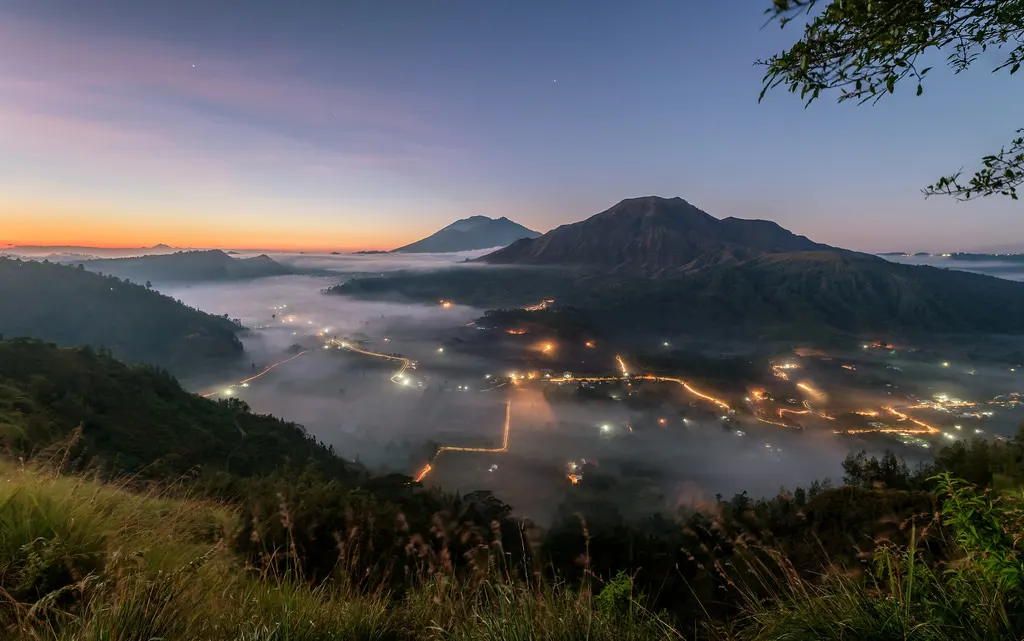
Travel editors and culinary critics alike have celebrated how Bali’s coffee culture enriches the island’s luxury offerings. Publications like Travel + Leisure and Food & Wine have highlighted Bali’s emergence as a specialty coffee hub, not just for its exceptional beans but for the immersive experiences it offers. Imagine a guided tour through a Kintamani coffee plantation, located at altitudes typically between 1,200 and 1,600 meters above sea level, where the cool mountain air and volcanic soil contribute to the distinct citrusy notes of its Arabica varietals. This isn’t merely about tasting coffee; it’s about understanding the intricate ecosystem and the human stories behind every bean, an aspect that truly captivates the conscious luxury traveler.
The recognition extends to the unique Balinese farming practices, particularly the Subak Abian system, an adaptation of the UNESCO-recognized Subak water management system for agricultural lands. This traditional, community-based approach to farming, which integrates spiritual principles (Tri Hita Karana – harmony among people, with nature, and with God), ensures sustainable cultivation and contributes to the distinctive character of bali coffeebeans. This blend of tradition, sustainability, and exceptional quality has positioned Bali coffee as more than just a beverage; it’s the island’s enduring charm and commitment to preserving its natural and cultural bounty, drawing the attention of global media platforms that champion responsible tourism.

Sustainable practices and community impact recognized
The story of bali coffeebeans is inextricably linked with a profound commitment to sustainability and community empowerment, principles that resonate strongly with today’s environmentally conscious luxury traveler. This dedication has not gone unnoticed by leading publications focused on ethical travel and sustainable development. Features in outlets such as National Geographic Traveler and The Guardian’s sustainable travel section have underscored our efforts in fostering direct trade relationships with local farmers, ensuring fair prices and equitable partnerships. This model bypasses intermediaries, allowing a larger share of the revenue to return directly to the farming communities, supporting their livelihoods and encouraging the continuation of high-quality, sustainable practices.
Our work with farmer cooperatives across Bali, particularly in regions like Kintamani and Munduk, has been recognized for its tangible positive impact. For instance, initiatives focused on providing training in advanced fermentation techniques and organic farming methods have led to significant improvements in bean quality and yield, directly benefiting over 500 farming families we work with. This holistic approach, where environmental stewardship goes hand-in-hand with social responsibility, is a narrative that appeals to a sophisticated audience seeking travel experiences that contribute positively to the destinations they visit. The media spotlight on these practices helps to validate Bali as a leader in responsible tourism, where the indulgence of luxury is balanced with a deep respect for the land and its people.
Furthermore, the transparency of our supply chain and our commitment to environmental preservation have garnered praise from various non-profit organizations and industry watchdogs. Reports often highlight how our operations help to maintain biodiversity within coffee-growing regions, preventing deforestation and promoting shade-grown coffee, which mimics the natural forest ecosystem. This ecological mindfulness not only produces superior bali coffeebeans but also preserves the stunning natural beauty that draws millions of tourists to the island each year. The recognition in these influential circles reinforces the idea that luxury travel can indeed be a force for good, aligning the pursuit of exquisite taste with a commitment to a healthier planet and thriving communities. For more on Bali’s sustainable tourism initiatives, visit Indonesia.travel’s Bali section.

From farm to cup: unique experiences for the discerning palate
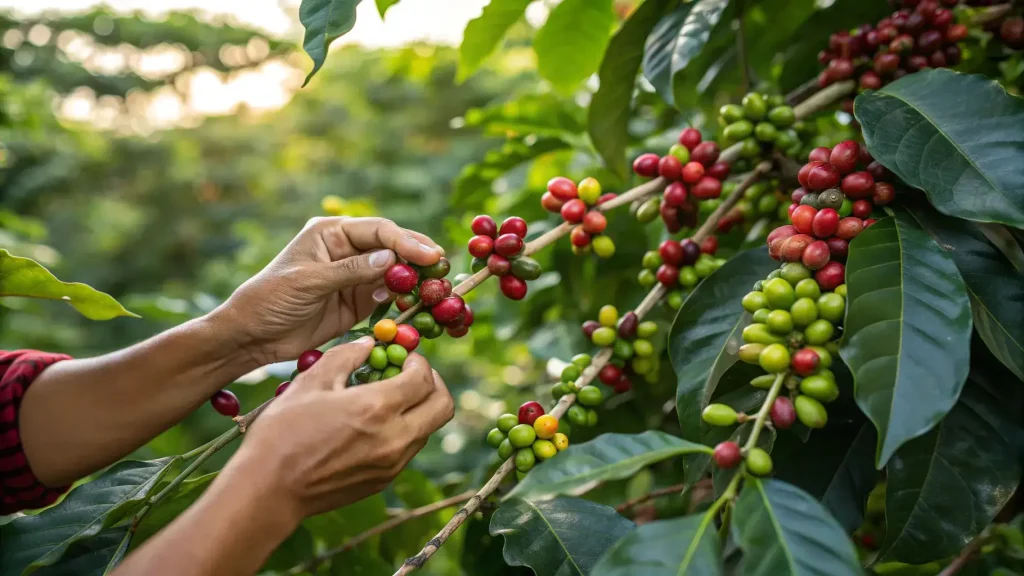
The journey of bali coffeebeans from a high-altitude farm to a meticulously brewed cup is an odyssey that offers rich experiential opportunities for the luxury traveler, a narrative often celebrated in prestigious culinary and travel publications. These features go beyond mere product reviews, instead focusing on the immersive experiences available, such as private farm tours that offer an intimate glimpse into the cultivation process. Guests can walk through lush plantations, learn about the different varietals like Typica and Catimor, and even participate in the harvesting of ripe coffee cherries. This hands-on engagement, often highlighted by publications like Gourmet Traveller, transforms a simple cup of coffee into a profound cultural and agricultural education, appealing to those who desire depth and authenticity in their travels.
The recognition also extends to the unique post-harvest processing methods that distinguish Bali coffee. Media often feature the traditional wet-hulled method (Giling Basah), which imparts a specific body and low acidity, or the innovative anaerobic fermentation techniques, which create complex, fruit-forward profiles. Exclusive cupping sessions, led by expert Q Graders, are frequently spotlighted as a highlight, allowing travelers to discern the subtle nuances between different micro-lots and processing styles. These curated experiences, often set against the backdrop of Bali’s breathtaking scenery – perhaps a coffee tasting overlooking the active volcano Mount Batur – are precisely what publications like Robb Report and Departures seek to present to their affluent readership, showcasing unique access and quality.
Ultimately, the media’s continued fascination with bali coffeebeans underscores its status as a premium product and a gateway to understanding Bali’s soul. From its historical roots, with coffee cultivation introduced to Indonesia by Dutch colonists in the 17th century, to its modern-day artisanal movement, Bali coffee embodies a blend of heritage and innovation. This rich narrative, combined with the island’s inherent beauty and commitment to sustainable practices, ensures that Bali coffee remains a compelling subject for journalists and a must-experience for the luxury traveler, continually elevating Bali’s reputation as a destination where every detail, down to the morning brew, is an experience in itself. Explore more about the history of Kintamani coffee on Wikipedia.