A Full-Day Luxury Bali Coffee Tour Itinerary from Seminyak
- Private, air-conditioned luxury transport with a knowledgeable local guide.
- Exclusive access to a boutique, high-altitude Kintamani coffee plantation.
- An expert-led cupping session and a gourmet, coffee-paired lunch.
The 7:59 AM air in Seminyak hangs thick and sweet with the scent of yesterday’s rain and today’s offerings to the gods. From the lanai of your villa, you watch the light change, the hum of the coast a distant promise. But you’re not destined for the beach clubs today. A quiet, black Toyota Alphard pulls into the drive, its engine a low thrum of anticipation. Your driver, a man named Wayan whom I’ve trusted for over a decade, greets you not with a generic tour spiel, but with a quiet “Selamat Pagi” and a cool bottle of water. This is the start of a journey, not just a tour—a meticulously crafted day that peels back the layers of Bali to reveal its caffeinated heart.
The Art of the Start: Your 8:00 AM Seminyak Departure
The first rule of any true luxury experience is the seamless elimination of friction. Your day begins not with navigating traffic or haggling with taxis, but by sinking into the cool leather seats of your private vehicle. The 70-kilometer journey north from Seminyak to the Kintamani highlands is a transformative one, and the vehicle is your moving sanctuary. As you leave the dense, stylish sprawl of Petitenget behind, the landscape begins to shift. The urban grid gives way to sprawling villages, each with its own ornate temple gate, and then, finally, to the tiered, emerald green of rice paddies climbing the hillsides. My guide for the day, Dewa, a coffee agronomist turned private guide, points out the intricate network of channels. “This is the Subak,” he explains, “a system of irrigation and a philosophy of life that dates back to the 9th century.” It is this profound connection between the land, the people, and the spiritual that defines everything in Bali, including its coffee. The drive itself, which takes approximately 2.5 hours without the typical tourist bus stops, becomes a crucial part of the narrative. We bypass the main, congested arteries, with Wayan navigating a series of “jalan tikus”—or “mouse roads”—that offer a far more intimate glimpse into daily Balinese life.
First Light in Kintamani: A Private Plantation Visit
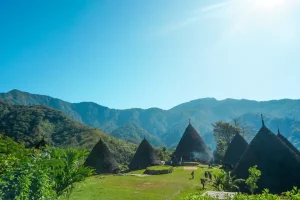
As the altitude climbs past 1,300 meters, the air cools and thins. The Alphard winds its way up the slopes of Mount Batur, an active volcano that is both a revered spiritual site and the source of the region’s incredibly fertile soil. Our destination is not one of the sprawling commercial plantations that line the main road, but a small, family-owned estate I was introduced to by a chef in Ubud. The “Gunung Sari” estate is a modest 5-hectare farm, invisible from the road and accessible only by a narrow path. Here, we are met by the owner, Pak Made, a man whose hands are permanently stained by the rich, volcanic earth. He grows primarily Arabica beans of the Typica and Bourbon varietals, shaded by citrus and avocado trees. There are no civet cages, no pre-packaged tasting trays. Instead, Pak Made walks us through rows of coffee plants, their branches heavy with crimson cherries. He explains how the volcanic soil, rich in minerals, imparts a distinct citrusy and bright flavor profile to the Kintamani beans, a characteristic prized by roasters globally. This is a world away from a packaged tour; it is a conversation, an education in terroir, and a look at the cultural landscape of Bali as recognized by UNESCO for its Subak system.
The Ethical Harvest: Understanding Kopi Luwak, Responsibly
No discussion of Balinese coffee is complete without addressing Kopi Luwak, the world’s most expensive and controversial coffee. The majority of “tours” will lead you to distressing operations where Asian palm civets are kept in small, barren cages and force-fed coffee cherries. A luxury itinerary, by my definition, must be an ethical one. We bypass these establishments entirely. Instead, Dewa leads us to a small cooperative of local farmers who only collect beans from wild civets. On the forest floor surrounding the Gunung Sari estate, they show us how to identify the partially-digested coffee “parchment” left behind by the nocturnal animals. The civets, being discerning foragers, naturally select only the ripest, most perfect cherries. The enzymes in their digestive tract alter the protein structure of the beans, resulting in a coffee that is famously smooth and devoid of bitterness. The yield is incredibly low; this cooperative collects perhaps 5 kilograms of wild beans per month. This scarcity and labor-intensive collection process is why authentic, wild Kopi Luwak commands prices upwards of $600 per kilogram. Seeing the process done responsibly is not only fascinating, it supports a sustainable and humane practice, a core tenet of modern luxury travel. For more on the history, you can read the Wikipedia entry on Kopi Luwak, but seeing the ethical alternative firsthand is truly illuminating.
A Masterclass in Roasting and Cupping
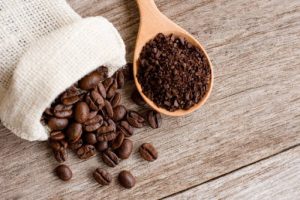
From the farm, we take our small bag of freshly processed green beans to a private roasting facility nearby. This is not a demonstration behind glass but a hands-on masterclass with a third-generation roaster named Gede. He works with a small, 5-kilo Probat roaster, his process guided by sound, smell, and years of intuition rather than digital readouts. He explains the critical stages: the “drying phase,” the “Maillard reaction” that develops sweetness, and the crucial “first crack,” a sound like popping corn that signals the beans are entering a light roast profile. Ideal roasting temperatures for these high-altitude Arabica beans hover between 195°C and 205°C to preserve their delicate citrus and floral notes. After roasting, we move to the cupping table. This is the standardized method professionals use to evaluate coffee. Three small bowls are set up: one with our freshly roasted Kintamani Arabica, another with a wet-hulled Sumatran Mandheling, and a third with the wild Kopi Luwak. We smell the dry grounds, then hot water is poured over, forming a crust. After four minutes, we “break the crust” with a spoon, an act that releases a powerful burst of aroma. Then comes the slurping—an undignified but necessary action to spray the coffee across the palate, revealing its full spectrum of flavor, acidity, and body. The difference is remarkable, and this guided tasting elevates the experience from simple consumption to true appreciation. To understand how such an exclusive session impacts the final price, you can review our Bali Coffee Beans Pricing & Cost Guide.
The Epicurean Interlude: A Coffee-Paired Lunch with a View
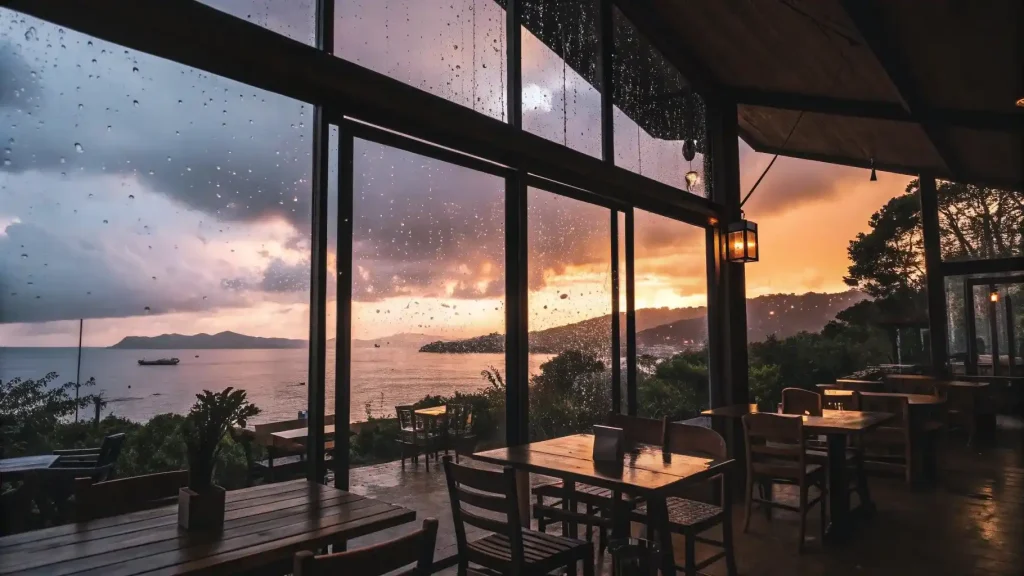
By 1:30 PM, the sensory explorations of the morning have built up an appetite. Lunch on this itinerary is not an afterthought buffet. We proceed to Amoksa, a restaurant perched on the ridge of the caldera with a panoramic view of Mount Batur and its serene lake. The chef, a protégé of a well-known Jakarta restaurateur, has designed a tasting menu specifically for our visit, centered around the theme of coffee. The starter is a seared scallop with a delicate coffee-infused foam. The main course is a slow-braised duck leg, or Bebek Betutu, where the traditional 16-spice “basa gede” paste is deepened with finely ground Kintamani Arabica, lending an earthy, smoky complexity. The entire meal is the versatility of the coffee bean beyond the cup. It’s a culinary dialogue between modern technique and traditional Balinese flavors, a key part of what makes the island’s food scene so dynamic, as highlighted by Indonesia’s official tourism board. A prix-fixe menu like this, excluding wine, will typically run about 950,000 IDR, a worthwhile investment for the quality and the unforgettable setting. This is the kind of detail that transforms a good day into a perfect one.
The Journey Home via Ubud: An Artisanal Roastery Stop
The return journey is routed through Ubud, a deliberate 90-minute detour that serves as a bridge between the old and new worlds of Balinese coffee. While Kintamani represents the agricultural heartland, Ubud is the epicenter of the island’s burgeoning third-wave coffee scene. Our destination is Seniman Coffee Studio, a pioneering establishment that treats coffee with the reverence of a fine wine. The atmosphere is a stark contrast to the rustic plantation; here, it’s all polished concrete, lab-like brewing equipment, and baristas who can discuss extraction yields and water chemistry. We skip the espresso and opt for a manual brew—a V60 pour-over of a single-origin bean from Flores. Watching the barista’s precise, circular pour is a form of meditation. The resulting cup is clean, bright, and nuanced, showcasing a different philosophy of coffee altogether. This stop provides critical context, illustrating the full spectrum of coffee in Indonesia, from the farmer’s hands to the artisan’s craft. It is the perfect final chapter to our day’s narrative. For those looking to create their own custom journey, you can book a Bali Coffee Beans consultation to integrate unique stops like this.
Quick FAQ for the Discerning Traveler
What is the all-inclusive cost for a private tour like this?
For a fully private, chauffeured experience with an expert guide, exclusive plantation access, a roasting masterclass, and a gourmet lunch, you should expect pricing to start around $400-$550 USD per person. Our comprehensive Bali Coffee Beans Pricing & Cost Guide offers a more detailed breakdown of what determines the cost of a truly luxury experience.
What should I wear for a full-day coffee tour?
Comfort and practicality are paramount. I recommend lightweight linen trousers, a breathable top, and closed-toe walking shoes suitable for uneven ground on the plantation. The Kintamani highlands can be significantly cooler than the coast, especially in the morning, so a light jacket or pashmina is an essential item to bring along.
Is this tour suitable for someone who isn’t a coffee connoisseur?
Absolutely. This is an immersive cultural experience designed for anyone with a curious mind. The journey is as much about understanding Bali’s unique agriculture, its stunning landscapes, and its culinary arts as it is about coffee. It’s an opportunity to connect with the island on a deeper level, far from the well-trodden tourist paths. To learn more about the fundamentals, our The Definitive Bali Coffee Beans Guide is an excellent primer.
A day spent tracing the journey of a coffee bean from cherry to cup is a day spent understanding the soul of Bali. It’s a narrative of volcanic soil, ancient traditions, and modern artistry. This is more than a simple tour; it is a curated story, one that connects you to the people and the land in a way that a week on the beach never could. To explore the pinnacle of Balinese coffee culture and design your own unforgettable journey, start your conversation with bali coffeebeans.