The Ultimate Bali Coffee Plantation Route Guide for Foodies
- It traces the path of Bali’s famous Arabica and Robusta beans.
- The route connects volcanic plantations with artisan roasters in cultural hubs like Ubud.
- It offers immersive agrotourism, including tastings, processing tours, and culinary pairings.
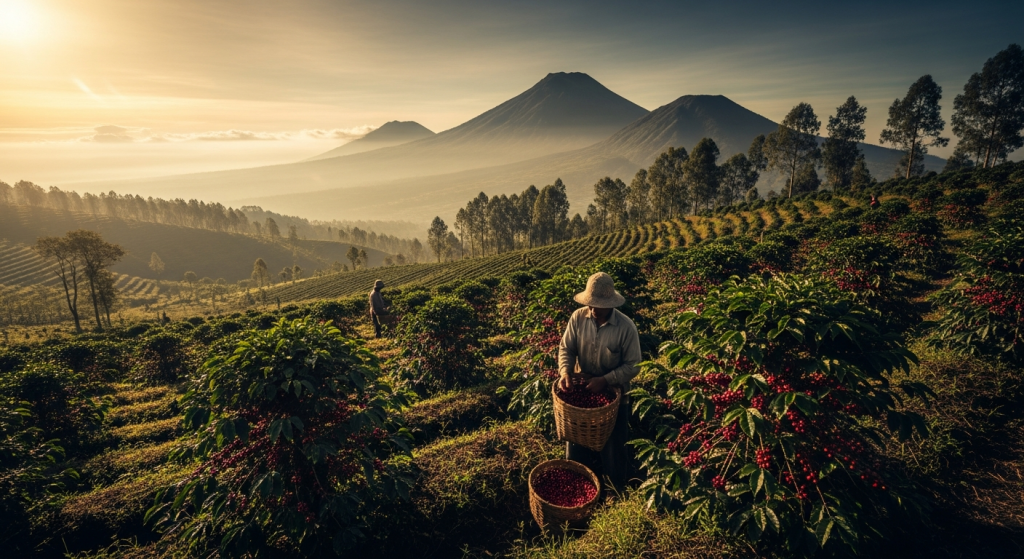
The air shifts. One moment, it’s the salt-laced breeze of the coast; the next, it’s a cooler, thinner atmosphere thick with the scent of damp earth, clove, and the unmistakable, deeply satisfying aroma of roasting coffee. You’re climbing, leaving the frenetic energy of the southern beaches behind. The road narrows, flanked by emerald rice terraces that cascade down the hillsides like liquid jade. This is the beginning of the pilgrimage, the path into Bali’s heartland, where the island’s true liquid gold isn’t found in a temple treasury but hangs in ruby-red clusters from verdant green bushes. This is not a simple tour; it is a sensory expedition designed for those who understand that the story behind a dish—or a cup—is the most vital ingredient. Welcome to the ultimate foodie’s map to Bali’s coffee country.
Charting the Course: From Seminyak to the Kintamani Highlands
The journey north is an essential part of the narrative. For most discerning travelers, the expedition begins from a base in Seminyak, Canggu, or Uluwatu. While the distance to the Kintamani highlands is a mere 70 kilometers on paper, one must account for “Bali time.” The drive itself is a 2.5 to 3-hour immersion into the island’s changing topography. I always advise clients to hire a private driver. My go-to guide, a man named Ketut who has been navigating these roads for over 20 years, puts it best: “The tour buses follow the main road. We follow the story.” A private vehicle allows for spontaneous stops—a roadside stand selling impossibly sweet salak (snake fruit), a momentary pause to watch a village ceremony unfold. This is the essence of a proper bali coffee plantation route guide; it prioritizes authenticity over efficiency. As you ascend past the Tegalalang Rice Terraces, the temperature drops by a noticeable 5 to 8 degrees Celsius. The landscape transforms from sprawling villages into dense, jungle-like vegetation. You are entering a different Bali, one governed by altitude and agriculture. The first sign you’re close is the appearance of small, family-run coffee stalls, or warungs, with hand-painted signs advertising “Kopi Bali.”
The Epicenter of Arabica: Kintamani’s Volcanic Terroir
The Kintamani region, perched on the western rim of the massive caldera wall of the Mount Batur volcano, is the undisputed heart of Bali’s specialty coffee production. The terroir here is extraordinary. The dark, porous volcanic soil, rich in minerals from millennia of eruptions, provides a unique foundation for the coffee plants. This, combined with an altitude consistently between 1,200 and 1,600 meters, creates the perfect microclimate for Arabica beans to mature slowly, developing a complex flavor profile. Kintamani Arabica is known for its bright, citrusy acidity—often with notes of orange or lemon—a medium body, and a clean finish with very little bitterness. This distinct character earned it Indonesia’s first Geographical Indication (GI) status in 2008, a certification that protects its unique origin. The agricultural practices are also deeply cultural. Many plantations operate within the traditional subak system of cooperative irrigation, a philosophy of communal water management so unique it is recognized as a UNESCO World Heritage site. At exclusive estates like the (fictional for our purposes) “Gunung Abang Sari Plantation,” visitors can book private sessions with the head roaster, witnessing the meticulous process from pulping the fresh cherries to the crucial “first crack” in the roasting drum. For a deeper understanding of the island’s bean varieties, our The Definitive Bali Coffee Beans Guide is an essential pre-read.
Beyond the Bean: Agrotourism and Ethical Considerations
A visit to a Balinese coffee plantation is rarely just about coffee. It’s a full-spectrum agrotourism experience. Most estates are diversified, cultivating a host of other valuable crops. As you walk the grounds, your guide will point out cacao pods, vanilla bean orchids climbing up host trees, and the fragrant bark of a cinnamon tree. You’ll be invited to taste raw cacao, its fruity pulp a world away from processed chocolate, and see cloves drying in the sun. However, this journey also requires a conscious mindset, particularly concerning Kopi Luwak. The story of coffee cherries being eaten and fermented by the Asian palm civet is globally famous. Unfortunately, its popularity has led to a deeply problematic industry where civets are often captured and kept in distressing conditions in small cages, force-fed coffee cherries to maximize production. Dr. Jonathan Morris, a coffee historian and author, has noted that the industrialization of this process has stripped it of all authenticity. A truly luxurious experience is an ethical one. We advise our readers to be inquisitive. Ask if the civets are wild or caged. If the plantation cannot provide clear evidence of a free-roaming, wild-collection process, it is better to abstain. The island’s single-origin Arabica is far more representative of Bali’s exceptional terroir. Understanding the costs associated with ethical production versus tourist traps is key; our Bali Coffee Beans Pricing & Cost Guide provides valuable context on what you should be paying for quality and integrity.
The Ubud Connection: Artisan Roasters and Culinary Pairings
After experiencing the raw, agricultural source in Kintamani, the route logically descends into Ubud, Bali’s cultural and spiritual core. This is where the third-wave coffee movement has truly taken root, transforming the town into a destination for coffee connoisseurs. Here, micro-roasters and architecturally refined cafes treat Balinese beans with the reverence of fine wine. At places like Seniman Coffee Studio or the fictional “Tukad Mas Roastery,” the experience is elevated from a simple drink to a culinary event. Baristas, who are more like coffee sommeliers, can guide you through a tasting flight. You might sample the same Kintamani bean prepared three ways: as a sharp, intense espresso; a clean, nuanced V60 pour-over; and a creamy, nitrogen-infused cold brew. The foodie journey culminates in the pairings. Ubud’s innovative chefs are now explicitly designing desserts to complement local coffee. Imagine a single-origin Kintamani pour-over, its citrus notes enhancing a delicate key lime tart with a coconut cream base. Or a robust, earthy Pupuan Robusta espresso served alongside a rich, dark chocolate and chili lava cake. This synergy between the roaster and the pastry chef is where the Bali coffee experience reaches its zenith, a fact highlighted by Indonesia’s official tourism portal, indonesia.travel, which increasingly promotes Ubud’s gastronomic scene. It’s a sophisticated dialogue between the island’s agriculture and its creative talent.
Crafting Your Bespoke Journey: Private Tours vs. Self-Drive
winding, and at times challenging, roads of Bali’s interior requires some planning. For the adventurous and experienced, renting a scooter offers freedom, but it is not for the faint of heart. A self-driven car is another option, though island’s often chaotic traffic and unmarked roads can detract from the experience. For a seamless and enriched journey, I exclusively recommend hiring a private car and driver. This is the standard for luxury travel in Bali for good reason. A knowledgeable local driver, often acting as an informal guide, provides invaluable context, translating interactions with farmers and offering insights into the Tri Hita Karana philosophy that underpins Balinese life. The cost for a private, air-conditioned vehicle with an English-speaking driver for a full 10-hour day typically ranges from IDR 800,000 to IDR 1,500,000 (approximately $50 to $95 USD). This modest investment transforms the day from a logistical challenge into a relaxing, curated exploration. It grants you access to smaller, family-owned plantations that are inaccessible to large tour buses and provides the flexibility to alter your itinerary on a whim. To ensure you connect with the most reputable guides and gain access to exclusive estates, we recommend letting our team handle the arrangements. You can Book Bali Coffee Beans tours directly through our dedicated concierge service for a truly bespoke itinerary.
Quick FAQ for the Discerning Traveler
What is the best time of year to visit Bali’s coffee plantations? The ideal window is during the dry season, from May through September. This period not only offers the most pleasant weather for exploring the highlands but also coincides with the main coffee harvesting season. Visiting during these months means you are likely to see the coffee cherries at their peak ripeness, a vibrant crimson, and witness the picking and initial processing stages firsthand.
Is Kopi Luwak tasting an essential Bali experience? From an ethical standpoint, it is a complicated affair. While the traditional story is fascinating, the reality at most tourist-facing plantations involves caged civets, which is a significant animal welfare concern. We believe the true essence of Balinese coffee lies in its exceptional, traditionally processed Arabica and Robusta beans. Opting for a single-origin tasting flight offers a more authentic and ethically sound experience of the island’s celebrated terroir.
How much time is needed for a comprehensive coffee route tour? To do it justice without feeling rushed, you should allocate a full day. A typical itinerary, starting from South Bali (e.g., Seminyak or Nusa Dua), will last between 8 and 10 hours. This includes roughly 4-5 hours of round-trip travel, allowing for leisurely visits to two distinct plantations, a tasting session, and a scenic lunch overlooking the Mount Batur caldera.
Can I buy coffee beans to take home directly from the plantations? Yes, and it’s highly recommended. Purchasing beans directly from the source ensures maximum freshness and supports the local farmers more directly. Most established plantations have a shop where you can buy freshly roasted beans (whole or ground). While most accept credit cards, carrying a small amount of Indonesian Rupiah is always a good idea for smaller purchases or at family-run stalls. This is the ultimate souvenir for any true coffee lover.
The path from a volcanic slope in Kintamani to an artisan-brewed cup in Ubud is a journey through the very soul of Bali. It’s a story of soil, tradition, and meticulous craftsmanship. This route offers more than just a taste of world-class coffee; it provides a deeper connection to the island’s landscape and its people. To continue your exploration into these exclusive experiences and to bring the authentic essence of the island into your own home, discover the curated world of bali coffeebeans.