Bali Coffeebeans — The Definitive Bali Coffee Beans Guide

Bali coffee beans originate primarily from Kintamani, a highland plateau where Arabica varietals thrive under a unique subak irrigation system. These specialty beans are characterized by a medium body, bright acidity, and distinct citrus notes, often complemented by chocolate and caramel undertones. Grown organically by smallholder farmers, Bali coffee offers traceable single-origin profiles for discerning international importers.

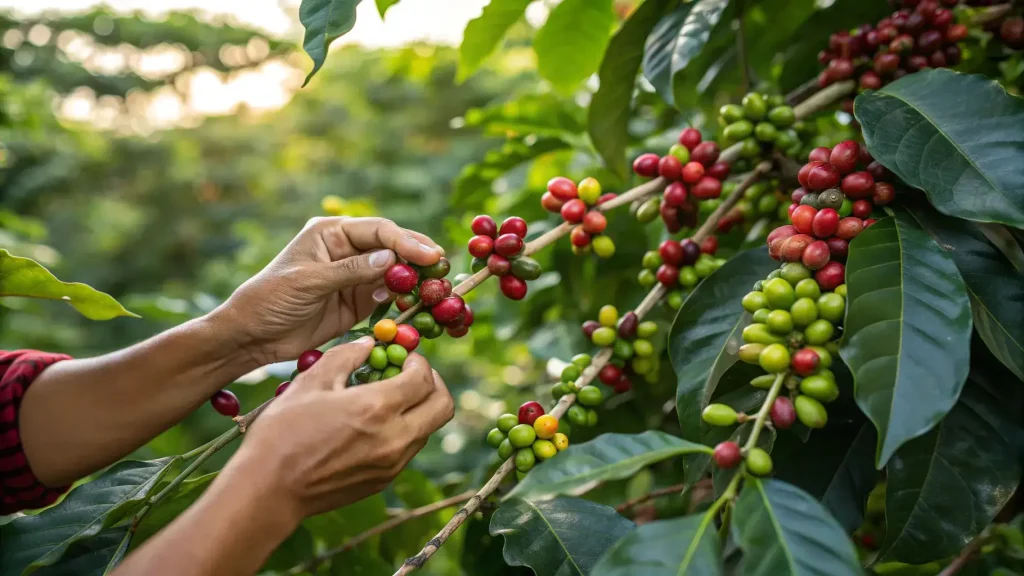
The air in Bali’s central highlands carries the scent of rich earth and blooming coffee cherries. Sun-drenched slopes, meticulously tended, present rows of healthy Arabica plants, a testament to generations of dedicated cultivation.

The Kintamani Arabica Standard: Bali’s Signature Bean

Kintamani, a high-altitude plateau in central Bali, stands as the definitive origin for the island’s most celebrated specialty coffee. Here, elevations range from 1,300 to 1,700 meters above sea level, providing ideal conditions for Arabica cultivation. The volcanic soil, enriched by millennia of activity from Mount Batur, imparts a unique mineral profile to the beans. This terroir, combined with a cool, humid climate, fosters slow cherry maturation, concentrating sugars and complex acids within each bean.

Farmers in Kintamani adhere to the traditional Subak irrigation system, a UNESCO World Heritage cultural landscape since 2012. This democratic, self-governing water management system extends beyond rice paddies, nourishing coffee plantations with precise, sustainable water distribution. The Subak system ensures ecological balance, reflecting a deep philosophical connection to nature known as Tri Hita Karana – harmony between humans, God, and the environment. This holistic approach means coffee cultivation often occurs without synthetic pesticides or fertilizers, fostering an inherently organic farming method.

The distinctiveness of Kintamani Arabica is formally recognized. In 2008, it received a Geographical Indication (GI) certification from the Indonesian Directorate General of Intellectual Property, protecting its origin and quality. This certification assures buyers of the beans’ authenticity and adherence to specific production standards. Typical Bali coffee beans from Kintamani exhibit a medium body, a bright, clean acidity reminiscent of citrus fruits like orange or tangerine, and often notes of chocolate, caramel, and brown sugar. These characteristics make it highly desirable for specialty roasteries seeking a well-balanced, vibrant cup profile. The primary harvest season extends from May to September, with smaller harvests throughout the year.

Coffee plants, predominantly Typica and Bourbon varietals, thrive under the shade of fruit trees like orange and tangerine, contributing subtly to the coffee’s aromatic complexity. Farmers meticulously hand-pick only the ripest cherries, a labor-intensive practice ensuring optimal quality. This commitment to traditional, sustainable agriculture defines Kintamani’s position in the global specialty coffee market, appealing directly to B2B importers and discerning roasteries in markets like DE, US, EU, AU, JP, and KR. Learn more about the Subak system on UNESCO’s website.

Beyond Kintamani: Diverse Terroirs of Bali Coffee

While Kintamani sets the benchmark, Bali’s diverse topography offers other distinct coffee-growing regions, each contributing unique micro-lots and flavor nuances to the Bali coffee beans landscape. Exploring these areas provides importers with a wider palette for single-origin offerings.

In western Bali, the Pupuan terraces present a contrasting environment. Here, altitudes typically range from 800 to 1,200 meters. The climate is generally warmer and wetter than Kintamani, influencing the coffee’s growth and flavor development. Pupuan coffee often yields a fuller body with lower acidity compared to Kintamani, sometimes exhibiting earthy tones alongside chocolate and nutty notes. Farmers in Pupuan frequently intercrop coffee with other cash crops like cloves and vanilla, which can introduce subtle aromatic influences into the surrounding air, though not directly into the bean itself. The region’s coffee production, while smaller in scale than Kintamani, provides excellent opportunities for micro-lot sourcing.

Further north, near the scenic lakes of Munduk, coffee is cultivated on slopes reaching 900 to 1,400 meters. This region experiences significant rainfall and cooler temperatures, fostering a slower maturation process. Munduk coffee can display a balanced acidity, often with hints of spice and dark chocolate. Some producers in Munduk experiment with natural and honey processing methods, which contrast with Bali’s predominant wet-hulled technique, resulting in cups with intensified sweetness and fruit notes. These experimental lots offer exciting prospects for specialty roasteries seeking unique flavor profiles.

Tampaksiring, located in central Bali, near the sacred Tirta Empul temple, also hosts smaller, highly specialized coffee farms. Here, micro-lots thrive at elevations around 1,000 to 1,300 meters. The focus in Tampaksiring is often on meticulous cultivation and careful processing, producing beans with exceptional clarity and nuanced flavors. These smaller farms are excellent candidates for direct trade partnerships, allowing importers to secure exclusive, high-quality offerings. Finally, the eastern slopes of Karangasem, influenced by the volcanic soils of Mount Agung, produce coffee with robust characteristics, often with a heavier body and notes of dark cocoa. This region, while less prominent, offers a distinct, powerful cup profile that can complement a diverse coffee portfolio. Each region offers a unique expression of Bali’s rich agricultural heritage.

Cultivation & Processing: The Art of Bali Coffee

The journey of Bali coffee beans from cherry to green bean involves meticulous cultivation practices and specific processing methods, deeply rooted in the island’s environmental ethos. Bali’s coffee farmers, predominantly smallholders, manage plots averaging less than two hectares. Their approach emphasizes sustainability and harmony with nature.

Virtually all Bali coffee is shade-grown, typically under the canopy of fruit trees such as orange, mandarin, and avocado, or nitrogen-fixing trees like Erythrina and Albizia. This shade slows cherry development, leading to denser beans and more complex flavor precursors. It also helps conserve soil moisture, reduces weed growth, and supports biodiversity, creating a healthier agro-ecosystem. Farmers practice selective hand-picking, ensuring only fully ripe red cherries are harvested. This labor-intensive method, often involving multiple passes through the same trees, guarantees consistent quality and prevents under-ripe or over-ripe cherries from affecting the final cup profile. A skilled picker can harvest between 50-70 kg of cherries per day during peak season.

The predominant processing method for Bali coffee is wet-hulling, locally known as “Giling Basah.” This unique Indonesian technique begins with depulping the cherries shortly after harvest, often within hours. The beans, still encased in parchment and mucilage, then undergo a short fermentation period, typically 12-24 hours. Following fermentation, the mucilage is washed off, and the beans are partially dried to a moisture content of around 30-40%. At this stage, the parchment is mechanically removed – the “wet-hulling” step. The exposed, moist green beans are then spread on patios or raised beds to dry further, until they reach the export-ready moisture content of 11-12%. This method, distinct from fully washed or natural processes, imparts a characteristic full body, lower acidity, and often earthy, woody, or spicy notes to the coffee, alongside the bright citrus typical of Kintamani. The entire drying process can take 5-7 days depending on weather conditions.

While Giling Basah is traditional, a growing number of progressive farmers, especially in regions like Munduk and Tampaksiring, are experimenting with fully washed and honey processes. Fully washed coffee involves fermentation and complete drying in parchment, resulting in a cleaner cup with brighter acidity. Honey processing, where some or all of the mucilage is left on the bean during drying, can produce a sweeter cup with enhanced fruit notes and a heavier body. These alternative methods offer specialty roasteries diverse options within Bali’s coffee offerings. For more on coffee processing, consult Wikipedia’s coffee processing section.

Certifications & Regulations: Assuring Quality and Ethics

For international coffee importers and specialty roasteries, understanding the certifications and regulatory landscape of Bali coffee beans is crucial for ensuring quality, traceability, and ethical sourcing. Bali’s coffee sector is increasingly aligning with global standards, providing transparency for B2B transactions.

The most significant certification for Bali coffee is the Kintamani Arabica Geographical Indication (GI), established in 2008. This GI protects the name “Kintamani Arabica” and guarantees that beans bearing this label originate from the Kintamani plateau and adhere to specific cultivation and processing standards. It ensures authenticity, much like appellation systems for wine, and provides a legal framework against fraudulent labeling. For importers, sourcing GI-certified Kintamani Arabica signifies a commitment to genuine origin and traditional quality.

Organic certification is another cornerstone of Bali’s coffee appeal. Due to the traditional, chemical-free farming practices integrated with the Subak system, many Bali coffee farms inherently operate organically. Formal organic certifications, such as USDA Organic, EU Organic, and JAS (Japanese Agricultural Standard), are increasingly sought by growers and exporters. These certifications involve rigorous third-party audits of soil management, pest control, and processing to ensure compliance with international organic standards. For example, EU Organic Regulation (EC) No 834/2007 sets strict requirements for organic agricultural production. These certifications are vital for roasteries targeting health-conscious consumers and those committed to environmental sustainability.

Fair Trade principles are deeply ingrained in Bali’s coffee culture, even beyond formal certifications. The community-centric Subak system and cooperative structures naturally foster equitable practices among farmers. However, specific Fair Trade certifications, such as Fairtrade International or Rainforest Alliance, are also available for cooperatives aiming to meet international social and environmental standards. These certifications ensure fair prices for farmers, safe working conditions, and sustainable environmental practices. Many direct trade partnerships with B2B buyers also incorporate fair trade principles, offering prices significantly above commodity market rates, often 20-30% higher, directly benefiting the farming communities. This direct engagement fosters long-term relationships and promotes continuous quality improvement.

Furthermore, all coffee exported from Indonesia, including Bali coffee beans, must comply with Indonesian National Standard (SNI) requirements. SNI 01-2907-2008 sets quality parameters for green coffee beans, including moisture content (typically 11-12.5%), defect count, and bean size. These regulations ensure a baseline quality for all exported coffee, providing an additional layer of assurance for international buyers. The combination of GI, organic, and fair trade certifications, alongside national quality standards, positions Bali coffee as a premium, responsibly sourced product for the global specialty market.

Sourcing Bali Coffee Beans: A B2B Importer’s Guide

For international coffee importers, specialty roasteries, and hotel chains, sourcing Bali coffee beans requires a strategic approach focused on specific origin characteristics, processing methods, and a commitment to direct, transparent trade. The goal is to secure consistent quality that aligns with your brand’s values and your customers’ expectations.

The first step involves identifying the desired flavor profile. Kintamani Arabica, with its bright citrus acidity and balanced body, serves as a versatile cornerstone. However, exploring micro-lots from Pupuan, Munduk, or Tampaksiring can yield unique cup characteristics—perhaps a fuller body from Pupuan, or intensified sweetness from Munduk’s honey-processed lots. Understanding these regional nuances allows for targeted sourcing. For instance, a roastery specializing in light, aromatic roasts might prioritize Kintamani, while one focusing on espresso blends might seek the robust notes of Karangasem. We encourage exploration of Bali’s diverse coffee landscape to find the perfect match for your portfolio.

Processing methods significantly influence the final cup. While wet-hulling (Giling Basah) defines much of Bali coffee, offering a characteristic body and lower acidity, the emerging popularity of fully washed and honey processes provides alternatives. A fully washed Bali bean typically presents a cleaner, brighter profile, ideal for single-origin offerings. Honey-processed beans, with their enhanced sweetness and fruit notes, can add complexity to blends or stand alone as a unique offering. When communicating with suppliers, specify not only the origin but also the preferred processing method to ensure consistent flavor delivery.

Direct trade stands as the most advantageous model for sourcing Bali coffee. Engaging directly with producers or reputable exporters like balicoffeebeans.com fosters transparency, traceability, and ensures fair compensation for farmers. This model allows importers to build long-term relationships, understand the specific farm conditions, and even influence processing techniques for future harvests. Direct trade can also provide greater control over quality, as communication flows directly from farm to roastery. Our partners often visit farms annually, assessing crop health and discussing quality improvements. This direct approach also supports the 2026 sustainability goals of many specialty coffee buyers, ensuring ethical and environmentally sound practices are maintained at origin.

Logistics for international export are streamlined through experienced partners. Reliable exporters handle all necessary documentation, including phytosanitary certificates, certificates of origin, and customs declarations. Shipping typically involves ocean freight for larger volumes, with lead times averaging 30-45 days to major ports in Europe or North America. Minimum order quantities often start at 1 x 20-foot container (approximately 19,200 kg of green coffee), though smaller consolidated shipments can be arranged for micro-lots. Quality control at origin, including pre-shipment cupping and physical analysis of green beans, ensures that what is ordered is what is received. By partnering with knowledgeable local experts, importers can confidently navigate the complexities of global coffee trade and consistently bring exceptional Bali coffee to their markets.

Discover the unparalleled quality and ethical sourcing opportunities that Bali coffee beans offer. Visit balicoffeebeans.com to explore our current selections, learn about our direct trade initiatives, and connect with our team to discuss your specific sourcing needs. We are committed to delivering the finest Bali coffee, directly from our farms to your roastery.