Bali Coffee Beans vs Alternatives Comparison
Bali coffeebeans represent a singular expression of Indonesian terroir, cultivated within the island's volcanic highlands, primarily in the Kintamani region.

Bali coffeebeans represent a singular expression of Indonesian terroir, cultivated within the island’s volcanic highlands, primarily in the Kintamani region. These specialty arabica beans are often distinguished by their bright, clean acidity, a medium body, and nuanced flavor profiles that frequently include notes of citrus, chocolate, and floral undertones, a direct result of unique agricultural practices and processing methods.
- Cultivated in volcanic soil at elevations typically exceeding 1,300 meters.
- Often processed using a fully washed method, contributing to a clean cup.
- Embraces the ancient Subak irrigation system, a UNESCO World Heritage cultural landscape.
The morning sun, still cool, filters through the frangipani canopy, painting dappled light across the mosaic tiles of a private villa terrace in Ubud. A gentle breeze carries the scent of temple incense and, unmistakably, the rich, complex aroma of freshly brewed coffee. This isn’t just any coffee; it’s an experience, a moment steeped in the very essence of the island. You lift the cup, its warmth a comforting weight in your hands, and the first sip unfolds a delicate dance of flavors – a bright, almost tangerine acidity, a clean finish that lingers, whispering of volcanic soil and meticulous care. This is the promise of bali coffeebeans, an invitation to a sensory journey that transcends mere beverage. But in a world brimming with choices, how do these exquisite beans stand against the multitude of alternatives? When does the soul of Bali truly call to your palate, and when might another origin better suit the moment?
The Essence of Bali Coffeebeans: A Unique Terroir and Philosophy
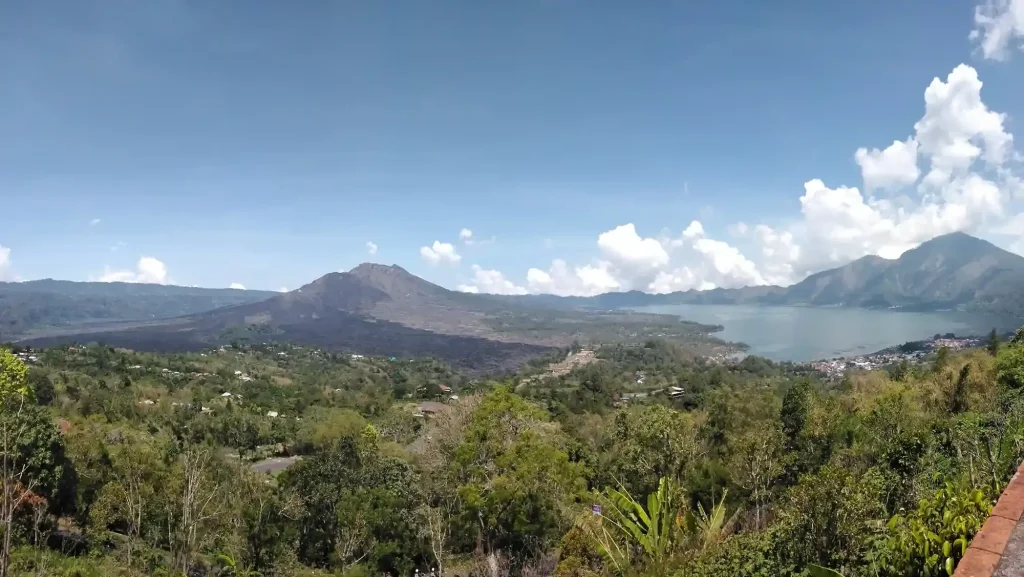
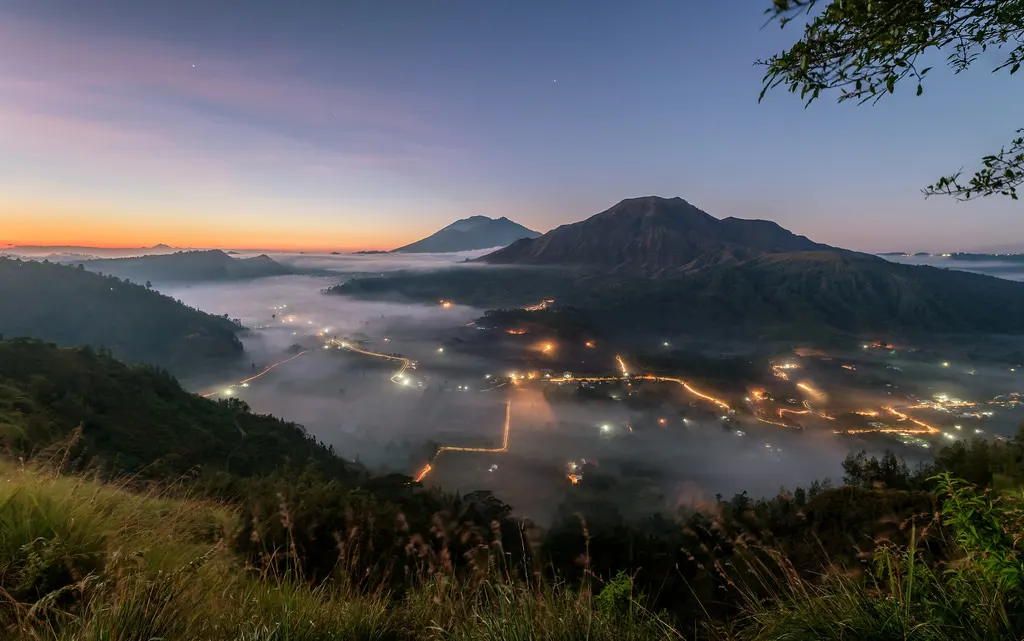
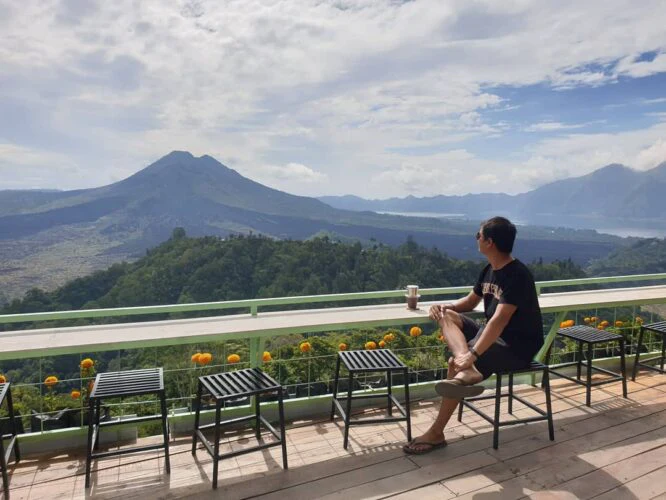
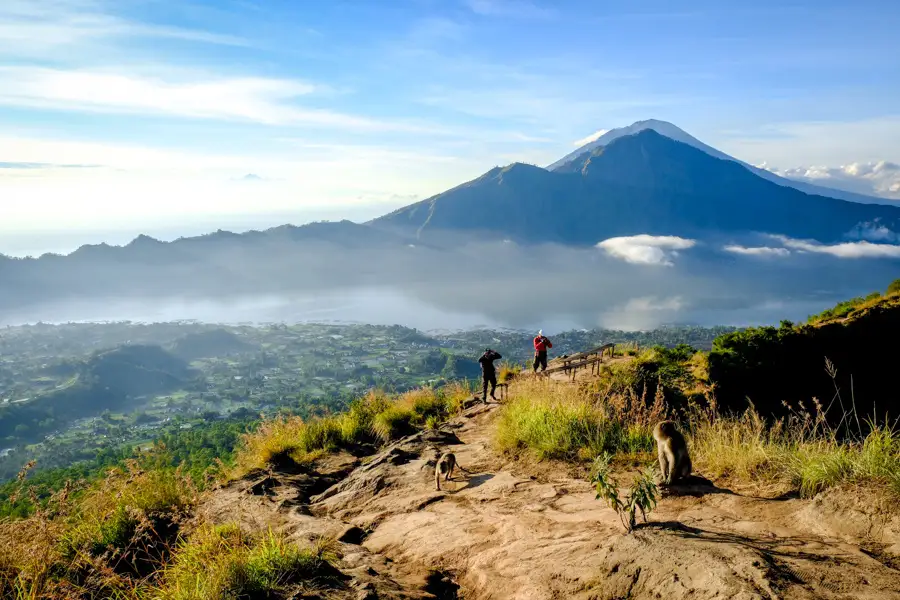
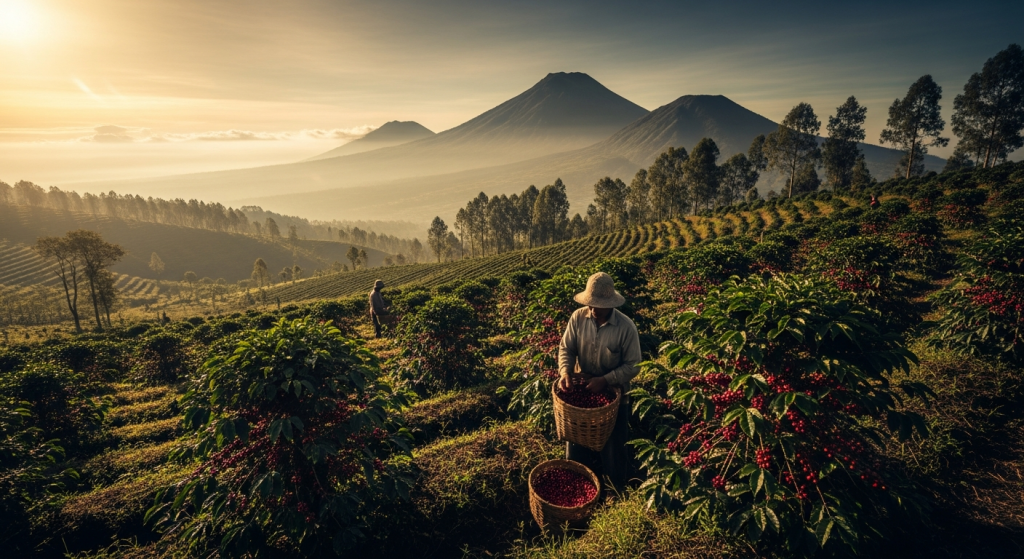
To understand bali coffeebeans is to understand the island itself – a place where spiritual harmony intertwines with agricultural practice. Our arabica beans flourish on the fertile slopes of Mount Batur in the Kintamani highlands, at elevations ranging from 1,300 to 1,700 meters above sea level. This volcanic soil, enriched by centuries of mineral deposits, imparts a distinct character to the coffee cherries. The microclimate here, with its cool nights and warm, sunny days, allows for a slow maturation of the fruit, concentrating sugars and complex acids within each bean. Farmers, often part of small, family-owned plots averaging just 1 to 2 hectares, largely eschew chemical pesticides and fertilizers, aligning with the Balinese philosophy of Tri Hita Karana – harmony among people, with nature, and with God. This commitment to sustainable, often organic, cultivation is not a marketing strategy; it is a way of life, resulting in a coffee that is as pure as the mountain air. The harvest, typically spanning from May to September, is a labor of love, with cherries hand-picked at peak ripeness. The predominant processing method for specialty Bali coffee is fully washed, which contributes to its renowned clean cup profile, bright acidity, and often notes of citrus, chocolate, and brown sugar. This meticulous approach from seed to cup sets a high bar, offering a clarity of flavor that many mass-produced coffees simply cannot achieve. The very soul of Bali is infused into every bean, a land and people deeply connected to their craft. For an authentic taste of Indonesian luxury, the choice is clear.
The Subak System: A Legacy of Sustainable Cultivation
A cornerstone of what makes bali coffeebeans so unique is the ancient Subak irrigation system, a UNESCO World Heritage cultural landscape dating back to the 9th century AD. This sophisticated, democratic system of water management, governed by local temples, ensures equitable distribution of water to rice paddies and, increasingly, to coffee farms. It’s communal harmony and ecological balance, fostering biodiversity and naturally deterring pests. Approximately 80% of Kintamani coffee farmers participate in or benefit from this traditional system, embedding their practices within a framework of shared responsibility and environmental stewardship. This isn’t just about irrigation; it’s a living philosophy that dictates land use, cultivation cycles, and social cohesion, directly influencing the health of the coffee plants and the purity of the surrounding ecosystem. When you choose Bali coffee, you are not just savoring a beverage; you are participating in the preservation of an ancient, sustainable culture, a true luxury in today’s fast-paced world. The distance from the bustle of Denpasar to these serene coffee farms is only about 60 kilometers, yet it feels like a journey back in time, to a place where nature and tradition dictate the rhythm of life.

Versus Commodity Coffee: A World Apart in Experience
The most stark contrast for bali coffeebeans lies in the comparison with commodity coffee, the vast majority of what fills supermarket shelves globally. Commodity coffee prioritizes volume and low cost over quality, flavor, or ethical sourcing. Beans are often grown on large, monoculture plantations using intensive farming methods, frequently involving chemical fertilizers and pesticides to maximize yield. Harvesting is often mechanized, indiscriminately picking ripe and unripe cherries, leading to inconsistent quality and undesirable flavors in the final cup. The processing is typically less meticulous, and the beans are often robusta varietals, chosen for their hardiness and high caffeine content, rather than their nuanced flavor. The resulting brew from commodity coffee is generally characterized by a flat, often bitter taste, lacking the complexity, aroma, and bright acidity that defines specialty arabica. It serves a functional purpose – a caffeine delivery system – but offers little in the way of a sensory journey. The price difference, while noticeable (a pound of specialty Bali coffee might command $20-30, versus $5-10 for commodity), reflects the immense disparity in cultivation, processing, and the very philosophy behind the product. When you opt for commodity coffee, you are choosing expediency; when you select bali coffeebeans, you are choosing an experience, a connection to a place, and a commitment to quality and ethical practice. It’s the difference between sustenance and indulgence, between a necessity and a cherished ritual. For the discerning traveler, the choice resonates with the desire for authentic, experiences.
Comparing with Other Indonesian Single Origins: A Symphony of Flavors
Indonesia, a sprawling archipelago, is a treasure trove of distinct coffee origins, each with its own unique story and flavor profile. While Sumatra, Java, and Sulawesi (Toraja) produce exceptional coffees, bali coffeebeans carve out their own niche within this rich . Sumatran coffees, particularly from regions like Mandheling or Gayo, are famous for their heavy body, low acidity, and earthy, often spicy or chocolatey notes, a result of the distinctive wet-hulled (Giling Basah) processing method. Javanese coffees, often grown on large, historic estates, tend to offer a cleaner cup than Sumatrans, with a medium body, mild acidity, and hints of dark chocolate and sometimes a smoky finish. Toraja coffee from Sulawesi is celebrated for its full body, balanced acidity, and complex notes of fruit, chocolate, and sometimes a hint of spice or nuts. Bali coffee, by contrast, typically presents a brighter, cleaner profile. Its signature is a vibrant, often citrusy acidity – think tangerine or lemon zest – paired with a medium body and a finish that can carry notes of chocolate, caramel, or floral sweetness. This distinctiveness largely stems from its volcanic Kintamani terroir and the common use of the fully washed processing method, which accentuates clarity and brightness. While other Indonesian origins offer deeper, earthier, or more robust characteristics, Bali delivers an elegance and a refreshing zest that is truly its own. It’s a matter of preference: for those seeking a bright, clean, and aromatically complex cup that evokes the island’s serene beauty, Bali stands alone. The annual export volume for Bali coffee is significantly smaller than Sumatra, making it a more exclusive find. To explore the full spectrum of Indonesian coffee, visit our homepage for more insights into these remarkable origins.
Against International Specialty Coffees: A Global Palate Exploration
Venturing beyond Indonesia, the world of specialty coffee offers an incredible array of flavors from renowned origins like Ethiopia, Colombia, and Costa Rica. Each presents a compelling alternative, yet bali coffeebeans hold their own with a unique signature. Ethiopian coffees, the birthplace of arabica, are often celebrated for their intense floral aromas, tea-like body, and complex fruity notes – blueberries and jasmine are common in Yirgacheffe, while Harrar can be winey and wild. Colombian coffees are typically known for their balanced body, bright acidity, and notes of caramel, chocolate, and red fruit, making them versatile and widely appealing. Costa Rican coffees often exhibit a crisp acidity, light body, and clean flavors of citrus, nuts, and brown sugar. Bali coffee, while sharing some common threads with these international counterparts – particularly in its bright acidity and clean finish – distinguishes itself with a unique balance. It rarely possesses the extreme floral notes of an Ethiopian heirloom or the intense fruitiness of some natural processed coffees. Instead, it offers a harmonious blend of crisp citrus (often reminiscent of tangerine), a pleasant milk chocolate sweetness, and a medium body that makes it incredibly approachable yet sophisticated. Its distinctive charm lies in this elegant balance, a reflection of its specific volcanic soil and the gentle, meticulous approach of its farmers. For those seeking a coffee that is both refined and subtly exotic, a taste that transports you to a tranquil, spiritual island without overwhelming the palate, Bali is an exceptional choice. It’s the fact that true luxury lies in distinctiveness and a sense of place. Discover more about our unique offerings on our Our Story page.
Beyond Coffee: When Tea or Other Beverages Call
While we champion the experience of bali coffeebeans, we also acknowledge that there are moments when coffee, even the finest specialty brew, might not be the ideal choice. For those who prefer a lighter, less stimulating beverage, a fine tea can offer a different kind of ritual and sensory pleasure. A delicate White Peony tea, with its subtle floral notes, or a robust Earl Grey, with its bergamot zest, provides a comforting warmth and complexity without the intense caffeine kick. Herbal infusions, such as chamomile or peppermint, offer soothing qualities, perfect for winding down in the evening or seeking gentle refreshment. In Bali itself, traditional herbal drinks like Jamu, crafted from turmeric, ginger, and other spices, offer health benefits alongside unique flavors, deeply rooted in local culture. These alternatives cater to different palates, different times of day, or simply different moods. If you are sensitive to caffeine, or if you simply crave a moment of quiet contemplation that doesn’t involve the invigorating push of coffee, these options are perfectly valid. Our focus remains on providing an exceptional coffee experience, but we understand the breadth of beverage preferences. Choosing Bali coffee is about embracing a specific kind of luxury – one rooted in flavor, origin, and sustainability. If that experience aligns with your desire for a vibrant, clean, and ethically sourced cup, then our beans are your perfect companion. However, for moments requiring a different sensory journey, the world of beverages is rich and varied. You can learn more about the broader culinary landscape of Indonesia at Indonesia.Travel.
The Ethical & Sustainable Choice: Bali’s Subak System and Organic Practices
In an era where ethical sourcing and environmental sustainability are paramount, bali coffeebeans stand as a beacon of responsible luxury. The island’s commitment to the ancient Subak system, a UNESCO World Heritage cultural landscape, is more than just an agricultural method; it’s a profound philosophy that dictates harmony between humans and their environment. This communal water management system, dating back over a thousand years, ensures that water from volcanic springs is equitably distributed across farms, fostering biodiversity and naturally enriching the soil. Farmers in the Kintamani region, where our beans originate, largely adhere to organic practices, even if not always officially certified. This means minimal to no use of synthetic pesticides or fertilizers, preserving the health of the soil, the water, and the surrounding ecosystem. The small-scale nature of these farms, often family-owned, ensures that each coffee cherry receives individual attention, from careful hand-picking to meticulous processing. This isn’t just about producing a superior cup; it’s about supporting a community of farmers who are stewards of their land, preserving traditions, and ensuring a viable future for generations. When you choose Bali coffee, you are investing in a product that aligns with the highest standards of social and environmental responsibility, a true mark of luxury in the modern world. It’s a choice that reflects a conscious desire for quality, transparency, and impact. For more information on the Subak system, you can refer to UNESCO’s official page. Approximately 85% of specialty coffee farms in Kintamani operate under these sustainable principles, a remarkable figure for any agricultural region.
As the last drop of coffee glistens in your cup, leaving behind a subtle, sweet aroma, the experience lingers. You’ve journeyed through the volcanic landscapes of Kintamani, touched by the wisdom of the Subak system, and savored the bright, clean essence of Balinese terroir. Choosing bali coffeebeans isn’t merely selecting a beverage; it’s an affirmation of taste, ethics, and a desire for genuine connection to the world’s most enchanting places. While alternatives abound, for those moments when you seek a distinct, luxurious, and responsibly cultivated coffee that whispers tales of an ancient island paradise, Bali remains the unrivaled choice. Elevate your daily ritual, discover the soul of Indonesia in every sip. Explore our full range of exquisite Bali coffeebeans and bring this unique luxury into your home. Visit our Shop Now page to begin your journey or deeper into our Contact Us section for personalized recommendations.