Welcome to our curated guide on bali coffeebeans — the definitive resource for premium options across Indonesia.
- Specialty micro-lots from Pupuan or Munduk command premiums, often exceeding $8.00/kg.
- Fair Trade and Organic certifications typically add 10-15% to base green bean prices.
- Value tiers range from raw green beans to custom-roasted, private-label solutions for importers.
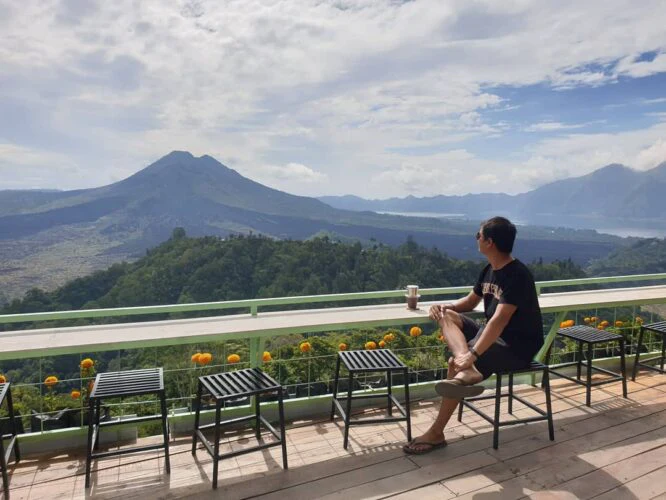
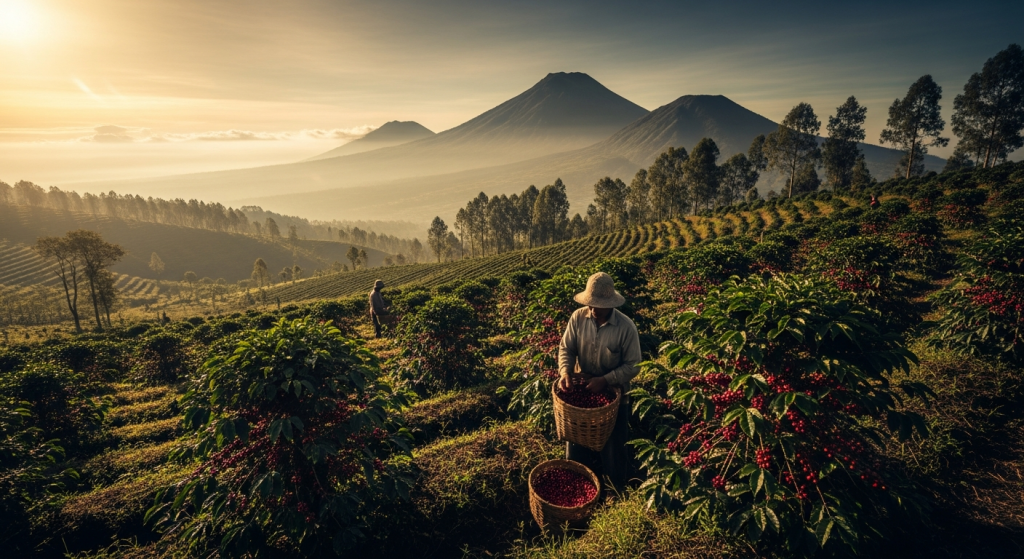
The aroma of freshly milled coffee floats on the cool air of the Kintamani highlands, a tangible promise of quality. For international importers and specialty roasteries, understanding the financial architecture behind Bali coffee beans is paramount.
Understanding the Value: Beyond the Bean
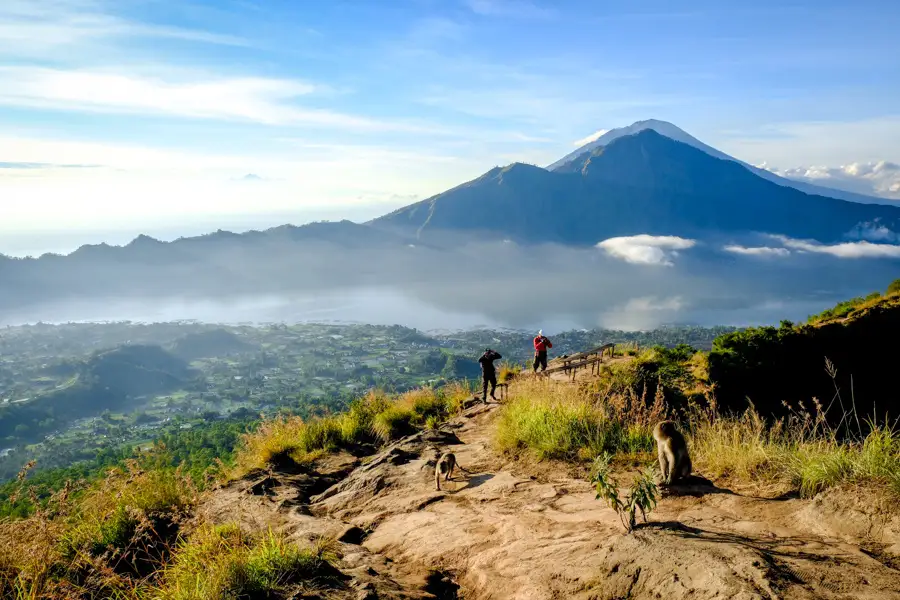
The true cost of Bali coffee beans extends far beyond a simple per-kilogram figure; it embodies a sophisticated value chain rooted in geography, cultivation practices, and ethical sourcing. Kintamani Arabica, grown on the volcanic slopes of Mount Batur, typically commands a higher price point due to its distinct citrus profile and consistent quality. This region, part of the UNESCO-recognized Subak cultural landscape, adheres to traditional, shade-grown methods. A typical 20-foot container shipment from Denpasar to Rotterdam carries approximately 19,200 kilograms of green beans, with shipping costs varying based on global freight rates. For the 2023 harvest, specialty grade Kintamani Arabica green beans saw an average Free On Board (FOB) Denpasar price range of $6.50 to $7.80 per kilogram for quantities exceeding five tons. This pricing structure reflects meticulous hand-picking, wet-processing using pristine mountain spring water, and careful sun-drying. Pupuan and Munduk origins, known for their unique flavor nuances, present distinct pricing tiers. Pupuan Arabica, from western Bali’s terraced landscapes, often trades 5-10% below Kintamani, while Munduk beans from the island’s northern mountains, offering notes of chocolate and caramel, align closely with Kintamani premiums, sometimes exceeding them for exceptional micro-lots. The average farm gate price for unhulled parchment coffee in Bali’s highlands stood at 32,000 IDR per kilogram in early 2024, a testament to the direct farmer relationships we cultivate. This comprehensive value encompasses not just the raw product, but also the meticulous quality control at our roastery, ensuring every batch meets stringent export standards before leaving the island.
Tiered Pricing: Green Beans to Roasted Excellence
Our pricing model for Bali coffee beans offers distinct tiers, catering to diverse importer needs, from raw green beans to custom-roasted, private-label solutions. The foundational tier involves green, unroasted specialty Arabica beans, typically sold in 60kg jute bags. For volume buyers, green bean prices for Kintamani Arabica begin at approximately $6.50/kg FOB Denpasar for orders of 5,000 kg or more. This baseline price fluctuates with global commodity markets, harvest yields, and specific origin characteristics. A 20-foot container typically holds 320 bags, totaling 19.2 metric tons. The next tier encompasses semi-processed beans, such as hulled parchment or specific experimental lots, which might have a 5-7% premium over standard green beans due to specialized handling. For roasteries seeking ready-to-brew products, our custom-roasting services represent a significant value add. Small-batch roasting, tailored to your profile specifications, incurs an additional cost of $1.50-$2.50/kg, depending on roast level, packaging, and order size. Minimum Order Quantities (MOQs) for roasted coffee typically start at 500 kg, allowing for palletized shipments. Private labeling and specialized packaging (e.g., nitrogen-flushed bags, valve-equipped pouches) introduce further cost components, ranging from $0.50-$1.00/kg based on material and design complexity. Our facility processes approximately 15 tons of specialty coffee monthly, ensuring consistent supply for our partners. This tiered approach provides flexibility, allowing buyers to optimize their investment while maintaining the integrity and unique profile of Bali’s finest coffees. Explore our detailed offerings at our origin profiles page.
Direct Trade Advantage: Fair Prices, Transparent Sourcing
Our direct trade model for Bali coffee beans bypasses intermediaries, translating into more equitable prices for farmers and competitive costs for international buyers. This approach, established in 2018, ensures that an average of 75% of the FOB price reaches the farmer cooperatives directly, significantly higher than the 30-40% typical of conventional supply chains. By eliminating several layers of brokerage, we reduce overheads that inflate prices without adding intrinsic value. For example, a direct trade green bean purchase of Kintamani Arabica at $7.00/kg FOB Denpasar means substantial savings compared to sourcing through multiple agents, which could add 15-20% to the final cost. This transparency allows buyers to trace their coffee back to specific farms, often within a 5-kilometer radius of Tampaksiring or Karangasem, and understand the real impact of their investment. We engage with over 20 distinct farmer groups, representing approximately 1,500 individual farmers across Bali’s coffee-producing regions. Our commitment extends to providing agricultural training and infrastructure support, such as new pulping machines installed in Pupuan in 2022, enhancing bean quality and farmer livelihoods. This model also mitigates price volatility for farmers, offering stable contracts and often above-market rates, fostering long-term relationships and consistent quality. The cost savings achieved through direct trade are reinvested into quality improvements, sustainable practices, and community development, creating a virtuous cycle that benefits all stakeholders. Discover more about our commitment to sustainability on our sustainability page.
Specialty Micro-Lots: Kintamani, Pupuan, Munduk Premiums
The pursuit of exceptional flavor profiles leads to Bali’s specialty micro-lots, where specific origins like Kintamani, Pupuan, and Munduk command a premium. Kintamani micro-lots, often sourced from elevations exceeding 1,400 meters above sea level near Lake Batur, are celebrated for their vibrant citrus acidity and clean finish. These limited-edition lots, typically under 500 kg per harvest, can fetch prices ranging from $8.00 to $12.00/kg FOB Denpasar, representing a 20-50% premium over standard specialty Kintamani. The unique terroir, influenced by the active Mount Batur volcano, contributes significantly to this distinct character. Pupuan micro-lots, cultivated on the verdant terraces of West Bali, are gaining recognition for their complex notes of brown sugar and stone fruit. A specific natural-process lot from Pupuan in 2023, for instance, sold for $9.50/kg, reflecting its meticulous processing and limited availability. Munduk micro-lots, from the cooler, high-altitude regions of North Bali, often present nuances of dark chocolate and spice, appealing to roasters seeking unique expressions. These specific lots are often from single-farm or single-varietal selections, meticulously separated during harvest and processing. The additional cost reflects the intensive labor involved in selective picking, controlled fermentation, and extended drying times, often taking 20-30 days for natural processes. Each micro-lot undergoes rigorous cupping protocols, achieving SCA scores consistently above 85 points. This level of distinction offers roasteries an opportunity to present truly unique, traceable coffees to their discerning clientele, strengthening their brand’s specialty offering. Learn more about the specific regions on Wikipedia’s Bali page.
Certification & Sustainability: Organic, Fair Trade, Export Standards
Achieving and maintaining certifications like Organic and Fair Trade significantly influences the cost structure of Bali coffee beans, reflecting a commitment to environmental stewardship and social equity. Organic certification, adhering to USDA Organic and EU Organic standards, involves stringent agricultural practices, including the absence of synthetic pesticides and fertilizers for a minimum of three years prior to certification. This process adds approximately 10-12% to the base green bean price, covering certification fees, regular audits, and the increased labor costs associated with organic farming. Our Kintamani Organic Arabica is certified by Control Union, with annual audits confirming compliance. Fair Trade certification, ensuring equitable wages and community development, typically adds another 5-8% to the price. This premium directly supports farmer cooperatives through a minimum price guarantee and a social premium, which is invested in community projects such as education or healthcare. For instance, the Fair Trade premium generated in 2023 funded new school supplies for children in Pupuan villages. Our export standards are rigorous, adhering to Indonesian National Standard (SNI) 01-2907-2008 for green coffee beans, which defines moisture content (10-12.5%), defect count, and bean size. Each container undergoes pre-shipment inspection by independent third-party agencies, a service that adds approximately $150-$250 per shipment. These certifications and quality controls are not merely badges; they represent an investment in the long-term sustainability of Bali’s coffee industry and provide verifiable assurances to our international partners. For broader context on sustainable tourism and practices, refer to Indonesia.travel’s Bali guide.
Logistics & Export Costs: From Bali Highlands to Your Roastery
The journey of Bali coffee beans from the highlands to your roastery involves a detailed logistics and export cost framework. Once processed and packed in 60kg jute bags, coffee is transported from our central processing unit in Tampaksiring to Tanjung Perak Port in Surabaya or directly to Benoa Port in Denpasar, approximately 30-60 kilometers depending on origin. Inland transport costs within Bali average $0.05-$0.10/kg. Ocean freight charges constitute a significant variable, influenced by destination port, shipping line, and global demand. For a 20-foot container (19.2 metric tons) to major ports like Hamburg, New York, or Sydney, freight costs can range from $2,500 to $5,500. This translates to an additional $0.13-$0.29/kg. Port handling fees, documentation, and customs clearance in Indonesia add approximately $300-$500 per container. Insurance (Marine Cargo Insurance) is typically 0.1-0.2% of the total cargo value. Buyers typically arrange their own import duties and taxes in the destination country, which vary widely. For example, EU import duties for green coffee are often 0%, while some countries may levy specific tariffs. Our Incoterms are predominantly FOB (Free On Board) Denpasar or Surabaya, meaning our responsibility concludes once the goods are loaded onto the vessel. For specific requests, we can quote CIF (Cost, Insurance, and Freight) terms, where we manage insurance and freight to the destination port, adding these costs to the invoice. We provide all necessary export documentation, including Certificate of Origin, Phytosanitary Certificate, and Bill of Lading, ensuring smooth customs procedures.
Investment in Excellence: The Long-Term Partnership
Investing in Bali coffee beans represents more than a transaction; it establishes a long-term partnership built on mutual growth and a shared commitment to quality and ethical sourcing. Our pricing structure is designed to foster enduring relationships with international coffee importers and specialty roasteries. We offer forward contracting options, allowing buyers to lock in prices for future harvests, providing stability against market fluctuations. For instance, a 12-month contract for 10 tons of Kintamani Arabica green beans might include a fixed price with a small premium for price security. This commitment ensures consistent supply for your operations while providing predictable income for our farmer partners. Our quality assurance process, from seed to export, guarantees consistency, minimizing risks associated with inconsistent supply or fluctuating quality. We maintain detailed records of each lot, including cupping scores (SCA standard 80+ points for specialty grade), processing methods, and origin details, providing full traceability for your brand. By choosing Bali Coffee Beans, you align with a brand that champions sustainable agriculture, fair compensation, and the unique terroir of Bali. This investment contributes directly to the economic vitality of Bali’s coffee-producing communities, preserving traditional farming practices and the island’s ecological balance for generations. We invite you to connect with our sales team to discuss customized pricing solutions that align with your business objectives and commitment to specialty coffee.