Bali coffee beans distinguish themselves through a unique combination of volcanic terroir, traditional Subak water management, and predominantly natural or honey processing methods. This results in a consistently bright, clean cup profile often featuring citrus acidity, milk chocolate notes, and a balanced body. Unlike many alternatives, Bali’s coffee is typically cultivated by smallholder farmers operating within a UNESCO-recognized ecological system, emphasizing sustainability and direct trade relationships.
- Kintamani Arabica holds a Protected Geographical Indication (PGI) certification.
- Cultivation occurs at altitudes averaging 1,200 to 1,600 meters above sea level.
- The Subak system, a democratic and ecological irrigation method, influences bean characteristics.
The aroma of roasted coffee fills the air, a complex invitation to understand origin. For the discerning importer and specialty roastery, distinguishing between the world’s finest beans defines reputation. Here, we examine Bali coffee beans against prominent alternatives, dissecting their individual merits and contrasting characteristics.
The Bali Origin Story: Kintamani’s Distinctive Terroir
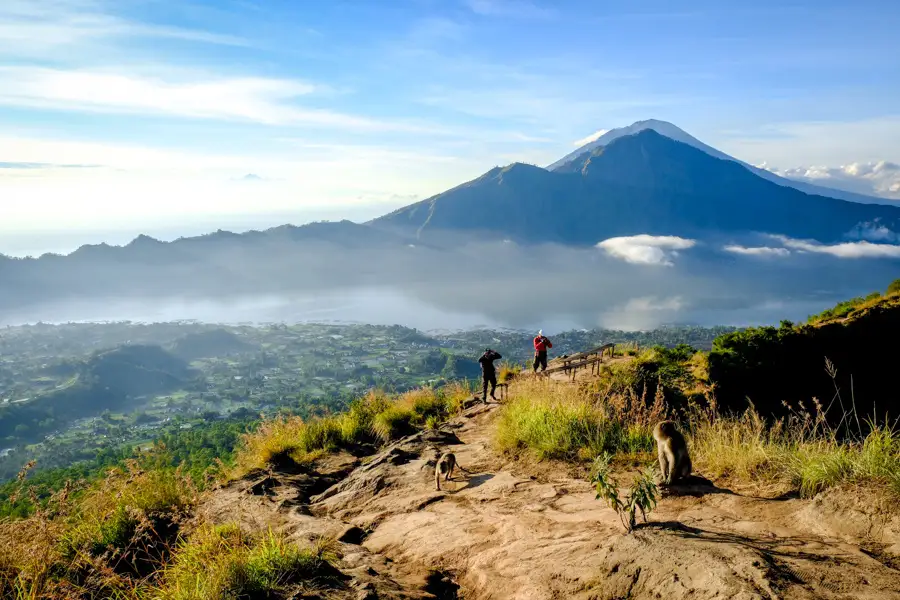
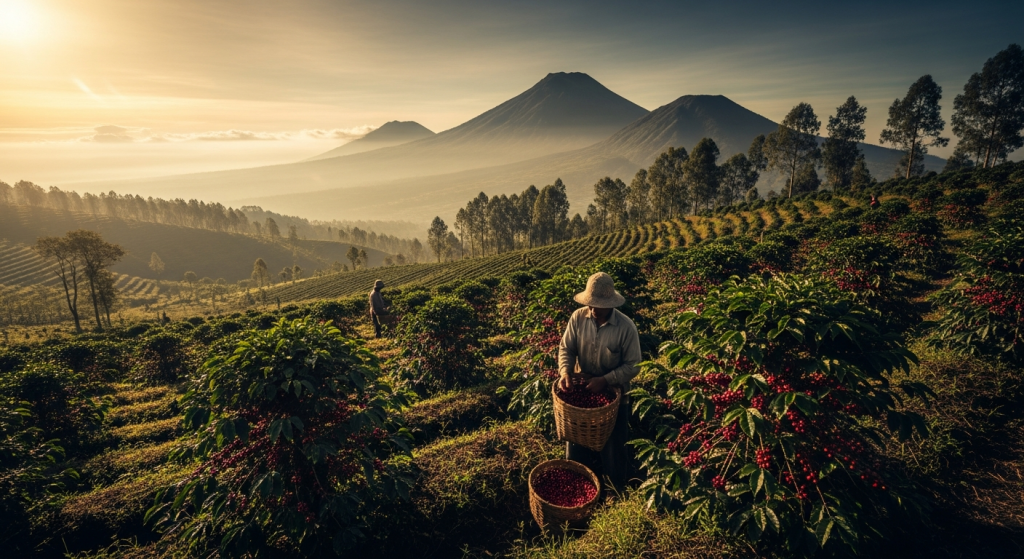
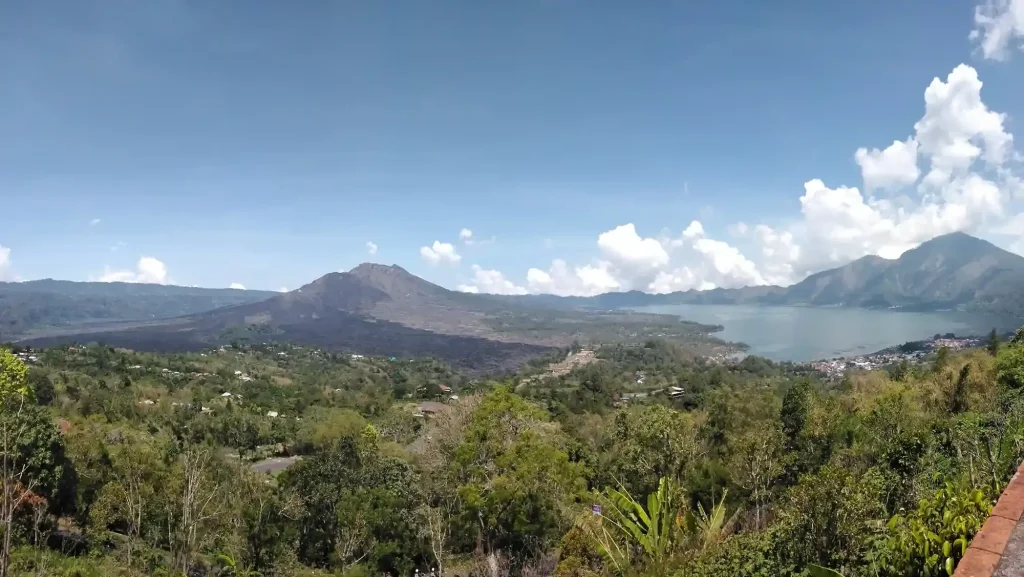
On the island of Bali, coffee cultivation thrives in the volcanic highlands, primarily across the Kintamani plateau. This region, situated around Mount Batur, offers a unique microclimate for Arabica. Farmers operate within the ancient Subak system, a cooperative irrigation network recognized by UNESCO in 2012 for its cultural landscape significance. This traditional approach to water management directly influences the coffee’s development, promoting sustainable practices and contributing to its specific flavor profile. Average farm sizes are small, often less than one hectare, ensuring meticulous attention to detail from planting to harvest. The Kintamani region’s altitude typically ranges from 1,200 to 1,600 meters above sea level, ideal for producing high-quality Arabica. Harvest season generally runs from May to July, with smaller yields in other months. The volcanic soil, rich in nutrients, imparts a distinct minerality to the beans. Processing methods here frequently lean towards natural or honey, a departure from the fully washed methods common elsewhere. This contributes to the coffee’s inherent sweetness and rounded body. Specific micro-lots from Pupuan in Tabanan, Munduk in Buleleng, and Tampaksiring in Gianyar each present subtle variations, reflecting their immediate environment. For instance, Pupuan beans often exhibit tropical fruit undertones, while Munduk offers more caramel and nutty nuances. Bali’s commitment to organic farming is evident, with many producers holding certifications like USDA Organic and EU Organic, often renewed on a five-year cycle; our current certifications extend through 2026. This dedication to ecological balance and quality positions Bali coffee beans as a premium offering for the global specialty market, appealing to buyers prioritizing traceability and environmental stewardship. The island’s collective approach, where farmers are often members of ‘subak abian’ (coffee farming cooperatives), ensures consistent quality control and fair pricing. This structure supports over 10,000 coffee farmers across the island. The Kintamani Arabica’s Protected Geographical Indication (PGI) status, established in 2008, further reinforces its unique identity and guarantees its origin.
Bali Coffee Beans vs. Sumatra Mandheling: A Tale of Two Islands
Comparing Bali coffee beans with Sumatra Mandheling reveals a fundamental divergence in processing, flavor, and agricultural philosophy. Sumatra Mandheling, originating from the western highlands of Sumatra, particularly around Lake Toba and the Gayo region, defines itself through the “Giling Basah” or wet-hulled method. This unique process involves pulping the cherries and partially drying the parchment to about 30-35% moisture content before removing the parchment layer, then drying the exposed bean to a final 10-12%. This method, rarely seen outside Indonesia, imparts Sumatra’s signature earthy, full-bodied character, often with notes of dark chocolate, cedar, and a very low acidity. In contrast, Bali coffee beans typically undergo natural or honey processing. Natural processing involves drying the entire cherry on raised beds, allowing the fruit sugars to permeate the bean, contributing to a pronounced sweetness and fruitiness. Honey processing, a hybrid method, leaves a controlled amount of mucilage on the bean during drying, resulting in a balanced cup with enhanced sweetness and body, often described as having milk chocolate and orange zest notes. The altitudes for Sumatra Mandheling generally range from 1,100 to 1,600 meters, comparable to Bali. However, the environmental context differs significantly. Bali’s Subak system promotes a collective, harmonious approach to land and water, leading to a cleaner, brighter cup. Sumatra’s processing, while creating a distinct and sought-after profile, often introduces variability in cleanliness and can sometimes present wilder, more rustic flavors. For an international importer, Mandheling offers a bold, intense profile ideal for dark roasts or blending, with an SCA score typically ranging from 80-84. Bali coffee beans, conversely, provide a cleaner, more nuanced specialty profile, consistently scoring 85+ on the SCA scale, suitable for lighter roasts that highlight its inherent brightness and sweetness. The export volume of Sumatran coffee significantly exceeds Bali’s, making it a more common commodity, whereas Bali maintains a smaller, more focused specialty output, often available through direct trade channels. The choice between them hinges on the desired flavor profile and the specific market segment a roastery aims to capture.
Bali Coffee Beans vs. Ethiopia Yirgacheffe: Cradle of Coffee, New World Nuance
The comparison between Bali coffee beans and Ethiopia Yirgacheffe places a relatively newer specialty origin against the historical birthplace of coffee. Ethiopia, particularly the Yirgacheffe region within the Gedeo Zone of the Oromia region, boasts a heritage of coffee cultivation dating back to the 9th century. Ethiopian Yirgacheffe is renowned for its vibrant, complex, and often ethereal cup profile, typically characterized by prominent floral notes like jasmine, bright citrus acidity (lemon, bergamot), and distinct berry or stone fruit flavors. These characteristics stem from ancient heirloom varieties and traditional processing methods, primarily washed (fully wet) or natural. Washed Yirgacheffe is celebrated for its clarity and sparkling acidity, while natural processed versions offer deeper fruit sweetness and a heavier body. Cultivation altitudes in Yirgacheffe are among the highest globally, often exceeding 1,800 meters, contributing to bean density and flavor complexity. In contrast, Bali coffee beans, while also Arabica, offer a different expression of specialty. Bali’s profile tends towards a more balanced and approachable cup: bright, clean acidity reminiscent of orange or tangerine, complemented by notes of milk chocolate, caramel, and a clean finish. This distinction arises from Bali’s specific volcanic soil, the Subak irrigation system, and a preference for honey or natural processing, which imparts a gentle sweetness and fuller body without the intense fruitiness sometimes found in natural Ethiopians. While Yirgacheffe often presents a wilder, more exotic flavor journey, Bali provides a consistently elegant and refined experience. For a specialty roastery, Yirgacheffe delivers an iconic, highly aromatic profile, often scoring 88+ SCA points, appealing to connoisseurs seeking an adventurous cup. Bali coffee beans, with their consistent 85-87 SCA scores, offer reliability and a distinct “terroir” that stands out for its clarity and sustainable credentials. The supply chain for Ethiopian coffee can be complex due to its vast network of smallholders and centralized export systems, while Bali emphasizes direct trade, fostering closer relationships between importers and farmers. Ethiopia’s coffee history is integral to its national identity, with coffee representing over 60% of its export earnings, making it a global powerhouse. Bali, though smaller in scale, offers a boutique, high-quality alternative, ensuring traceability and ethical sourcing, a key differentiator for the modern B2B buyer seeking transparency.
Processing and Sustainability: Bali’s Direct Trade Commitment
Bali’s approach to coffee processing and sustainability sets it apart, deeply rooted in the island’s cultural and ecological principles. The Subak system, a democratic and traditional irrigation society, is not merely about water distribution; it embodies a philosophical connection to the land and water, known as Tri Hita Karana (harmony between humans, nature, and the divine). This holistic worldview directly translates into farming practices that prioritize ecological balance. Most Bali coffee beans are cultivated without synthetic fertilizers or pesticides, naturally aligning with organic standards. Many farms hold international certifications like USDA Organic and EU Organic, ensuring compliance for importers in key markets such as DE, US, EU, AU, JP, and KR. Our current certifications are valid until 2026, with renewal processes already underway. The predominant processing methods—natural and honey—are chosen not just for flavor but also for their relatively lower water consumption compared to fully washed methods. Natural processing involves drying coffee cherries whole on raised beds, often under direct sunlight, for 2-4 weeks. Honey processing, meanwhile, requires meticulous control, leaving a specific amount of mucilage on the bean before drying, typically for 10-14 days. These methods contribute to the coffee’s sweetness and body. In contrast, while many coffee-producing regions are moving towards sustainable practices, Bali’s integration of sustainability is deeply ingrained in its ancient agricultural system. Many alternatives, particularly from larger producing nations, face challenges in achieving widespread, verifiable organic certification or consistent direct trade relationships across their vast farmer networks. Bali coffee beans are frequently sourced through direct trade models, connecting international buyers directly with farmer cooperatives. This ensures equitable pricing for producers, greater transparency in the supply chain, and consistent quality control for importers. Direct trade relationships often result in premium prices for farmers, typically 15-20% higher than commodity market rates, fostering economic stability within the farming communities. This model provides B2B buyers with a clear narrative of origin, social responsibility, and environmental stewardship, which resonates strongly with end-consumers in specialty markets. The commitment to maintaining the integrity of the land, respecting the natural cycles, and fostering fair economic relationships defines Bali’s unique position in the global coffee landscape, offering a product that delivers both exceptional taste and ethical peace of mind.
Flavor Profiles & Cupping Scores: Navigating the Specialty Spectrum
For specialty roasteries, understanding the nuanced flavor profiles and consistent cupping scores is paramount. Bali coffee beans, particularly those from the Kintamani plateau, consistently present a distinct profile. The primary flavor descriptors include bright citrus acidity, often resembling orange or tangerine, complemented by notes of milk chocolate, caramel, and sometimes hints of vanilla or brown sugar. The body is typically medium and clean, with a refreshing, prolonged finish. This profile is attributed to the volcanic soil, the high altitudes (1,200-1,600 meters), and the prevalent natural or honey processing methods. On the Specialty Coffee Association (SCA) cupping scale, Bali Arabica frequently scores in the 85-87 point range, firmly placing it within the specialty grade. Micro-lots from specific regions offer further differentiation: Pupuan beans might exhibit subtle tropical fruit notes like pineapple, while Munduk beans often present a more pronounced caramel sweetness and nutty undertones. Tampaksiring micro-lots are known for their floral hints and refined acidity. In contrast, Sumatra Mandheling, with its Giling Basah processing, typically scores 80-84 SCA points. Its profile is characterized by a heavy body, low acidity, and dominant notes of dark chocolate, earthiness, cedar, and sometimes spice, making it a robust choice for deeper roasts or blends requiring a strong foundation. Ethiopian Yirgacheffe, representing the pinnacle of complex, high-acidity coffees, often scores 88+ SCA points. Its profile is a symphony of floral notes (jasmine, rose), bright citrus (lemon, bergamot), and stone fruit or berry flavors (peach, blueberry), with a lighter body and sparkling acidity. While all three offer specialty experiences, they cater to different palates. Bali coffee beans provide a balanced, clean, and approachable specialty cup, appealing to a broad segment of consumers who appreciate clarity and subtle complexity. The average green bean price for Bali specialty Arabica typically ranges from $4.50 to $6.00 per pound for B2B importers, reflecting its quality and sustainable sourcing. This compares to Ethiopian Yirgacheffe, which can command $5.50 to $8.00+ per pound, and Sumatra Mandheling, often in the $3.50 to $5.00 range. The consistency of Bali’s flavor profile and its reliable SCA scores make it an attractive and predictable choice for roasteries seeking a high-quality, traceable origin that stands apart from more common offerings. The inherent sweetness from natural and honey processing reduces the need for extensive roasting, allowing the true character of the bean to shine through. This makes Bali coffee beans a versatile option for various brew methods, from espresso to pour-over, consistently delivering a satisfying experience.
Market Positioning & B2B Advantages: Sourcing for the Specialty Roastery
For international coffee importers and specialty roasteries, selecting an origin involves more than just taste; it encompasses supply chain transparency, sustainability credentials, and market appeal. Bali coffee beans occupy a distinct position in the global specialty market as a premium, traceable, and ethically sourced product. The B2B advantages are clear: direct trade relationships mitigate supply chain risks and ensure consistent quality. Our network facilitates direct sourcing from farmer cooperatives, bypassing intermediaries and providing full traceability from farm to roastery. This level of transparency is increasingly valued by consumers in key markets like Germany, the United States, the European Union, Australia, Japan, and Korea, where conscious consumption drives purchasing decisions. The organic certifications (USDA Organic, EU Organic) carried by many Bali producers further enhance marketability, allowing roasteries to cater to the growing demand for certified organic products. The Kintamani Arabica PGI status adds another layer of authenticity and guarantees origin, a crucial factor for brand storytelling and consumer trust. While alternatives like Sumatra Mandheling offer a robust, familiar profile, and Ethiopian Yirgacheffe provides an exotic, high-end experience, Bali coffee beans offer a unique combination: a bright, clean, and approachable specialty profile with strong ethical and environmental foundations. This makes it an ideal choice for roasteries looking to diversify their offerings with a distinct, high-quality Indonesian Arabica that tells a compelling story. The typical export volume for Bali specialty coffee, while smaller than major producers, is consistent and reliable for B2B orders, often ranging from 1-5 metric tons per shipment. This scale is perfect for specialty roasteries seeking micro-lots or consistent supply for their single-origin programs. The logistical infrastructure from Bali, primarily via Denpasar (Ngurah Rai International Airport is approximately 50 kilometers from Kintamani), ensures efficient export. Partnering with Bali Coffee Beans means engaging with a source that prioritizes long-term relationships, fair pricing for farmers, and a commitment to quality that translates directly into a superior cup for your customers. This positions Bali coffee beans not just as a commodity, but as a valuable asset for any specialty roastery’s portfolio, enhancing brand reputation and consumer loyalty.
The journey through coffee origins reveals a spectrum of flavors, processes, and philosophies. Bali coffee beans stand as a testament to harmonious cultivation, offering a consistently bright, clean, and ethically produced Arabica. For international coffee importers and specialty roasteries seeking a distinctive, sustainable, and transparently sourced bean, Bali presents an unparalleled opportunity. Discover the nuanced profiles and direct trade advantages that define our premium offerings. Explore the full range of Bali coffee beans and connect with us for your next wholesale order at balicoffeebeans.com, or learn more about our specific micro-lots at /kintamani-arabica-micro-lots/.