Our Methodology — How We Evaluate & Source Bali Coffee Beans
Our reputation is built on the consistent quality of the Bali coffee beans we export.
Our Sourcing & Quality Evaluation Methodology
A Systematic Approach to Sourcing Excellence
Our reputation is built on the consistent quality of the Bali coffee beans we export. This consistency is not a matter of chance; it is the result of a systematic, data-driven methodology that governs every step of our process, from farm selection to pre-shipment quality control. This page details the criteria, scoring rubrics, and audit processes that ensure every lot we offer meets the highest standards of specialty coffee.

Phase 1: Partner Cooperative & Farm Audit
Before entering into a partnership, every cooperative and potential micro-lot farm undergoes a comprehensive audit led by our sourcing and sustainability team. The audit evaluates partners across four key areas:
- Agricultural Practices (40%): We assess soil health, use of shade trees, biodiversity, pest management techniques, and adherence to organic principles. We prioritize partners who utilize the traditional Subak Abian system and demonstrate a commitment to environmental stewardship.
- Harvesting & Processing Infrastructure (30%): We inspect the quality of processing equipment, availability of clean water, cherry sorting protocols (hand-sorting is mandatory), and the methodology for fermentation and drying (e.g., raised beds, patio conditions).
- Social & Economic Standards (20%): We verify fair labor practices, transparency in payment distribution to member farmers, and the cooperative’s governance structure. This aligns with our Direct Trade and Fair Trade principles.
- Traceability Systems (10%): We require partners to have a system for tracking coffee from the individual farmer or block to the final milled green bean. Lot separation is critical for our micro-lot program.
A cooperative must achieve a minimum score of 80/100 to be considered for a partnership.
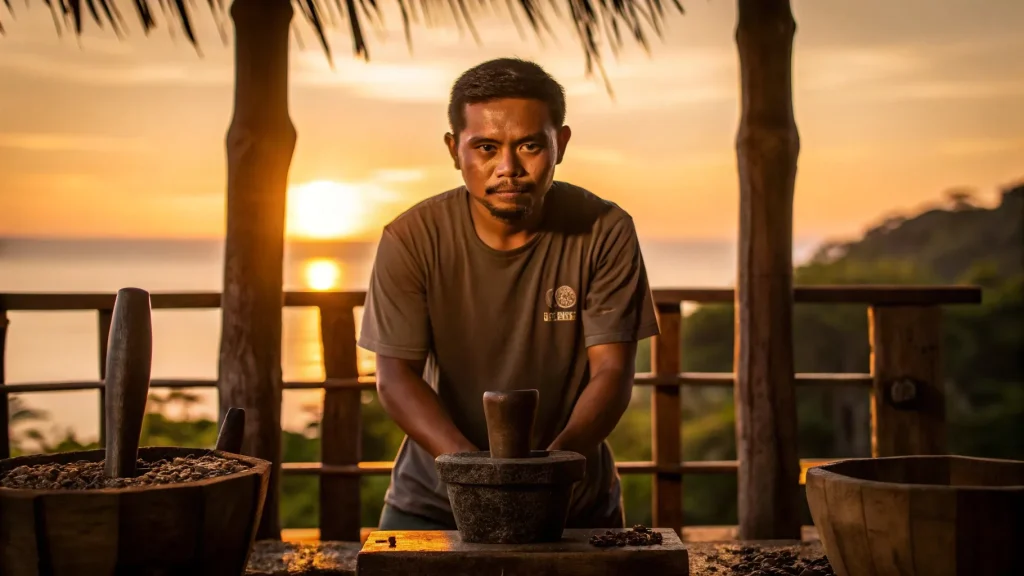
Phase 2: Green Bean Analysis & SCA Cupping Protocol
Once a partnership is established, every single lot of coffee—from a multi-farm Kintamani regional blend to a single-farmer Tampaksiring micro-lot—undergoes rigorous quality analysis at our lab.
1. Physical Green Bean Analysis:
- Moisture Content: Measured using a Sinar Moisture Meter to ensure it is within the ideal 10-12% range for stability and shipping.
- Density: Assessed to inform roasting profiles and uniformity.
- Defect Count: We conduct a 350g sample analysis based on SCA Green Arabica Coffee Classification System standards. Our specialty lots must have 0 primary defects and fewer than 5 secondary defects.
2. Sensory Evaluation (Cupping):
Our Head Q Grader leads blind cupping sessions for every pre-shipment sample. We use the official SCA cupping form and protocol, scoring on a 100-point scale across the following attributes:
- Fragrance/Aroma
- Flavor
- Aftertaste
- Acidity
- Body
- Balance
- Uniformity
- Clean Cup
- Sweetness
- Overall
Only lots that score 84 points or higher are accepted for our specialty micro-lot offerings. Our regional Kintamani Arabica must consistently score 82 points or above.
Phase 3: Pre-Shipment Verification & Logistics
Quality assurance continues right up to the point of export. Before a container is sealed, we perform a final pre-shipment inspection. A representative sample is drawn from the packed bags (e.g., GrainPro) and cupped one last time to ensure its quality has not degraded. We verify all documentation, including the ICO Certificate of Origin, phytosanitary certificate from Barantan, and weight certificates, to ensure 100% compliance with the client’s order and the destination country’s import requirements. This meticulous, multi-stage methodology is our guarantee of quality and the reason why leading roasters trust Bali Coffee Beans.
Continue exploring Bali Coffee Beans:
Our Bali Coffee Beans Service ·
Meet Our Team ·
Editorial Standards ·
Methodology ·
Sustainability ·
Safety & Compliance
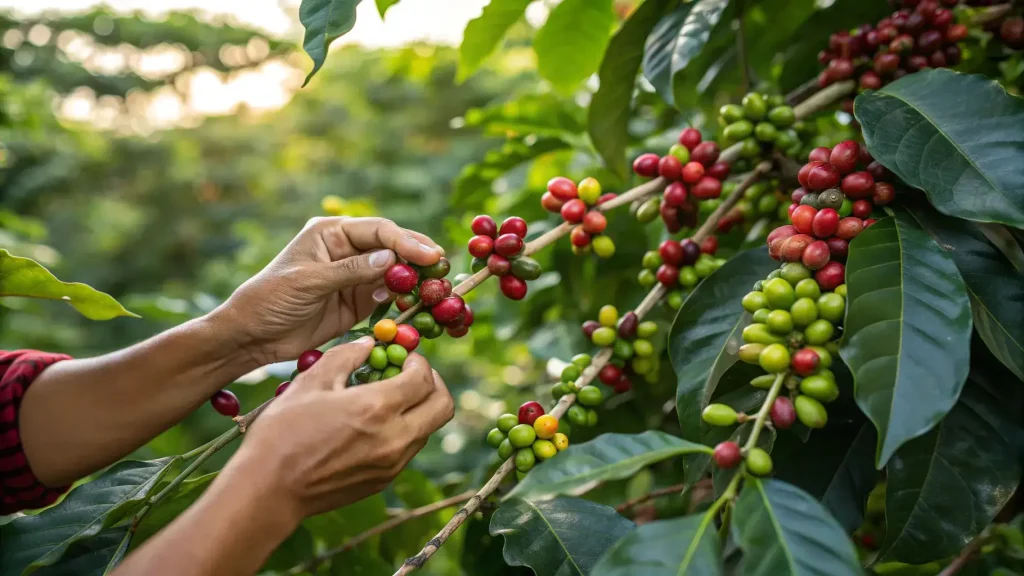
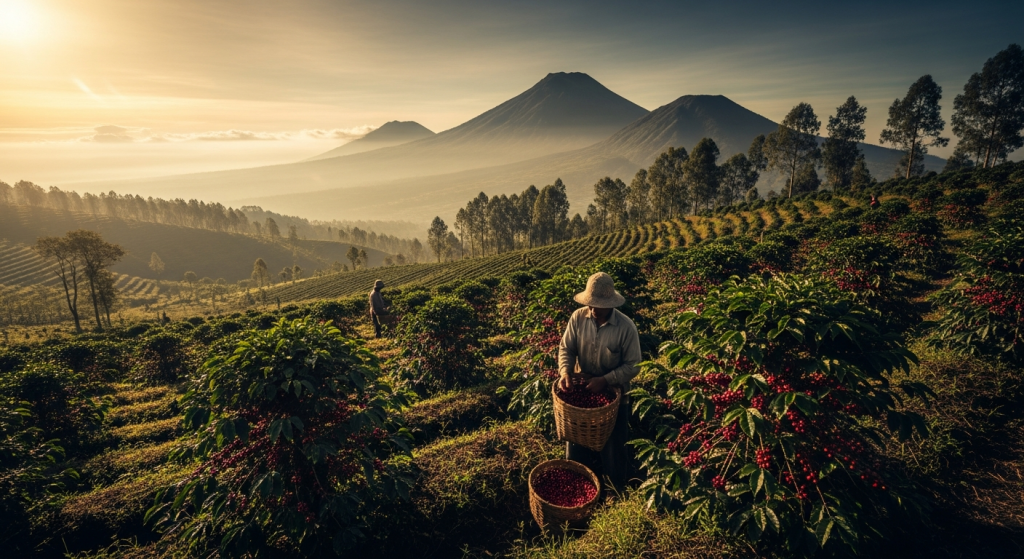
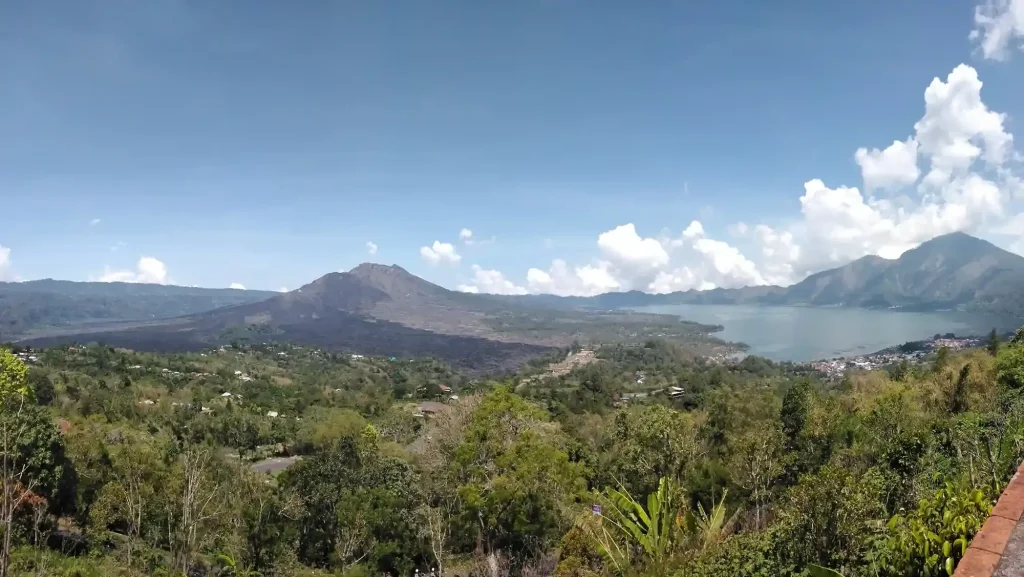
The gentle morning mist still clings to the slopes of Mount Batur as expert hands carefully select only the ripest, ruby-red coffee cherries. This meticulous initial step sets the stage for the exquisite quality of Bali coffee beans, ensuring that only peak-maturity fruit enters our processing stream. Our methodology extends far beyond the farm gate, meticulously overseeing every transformation the bean undergoes.
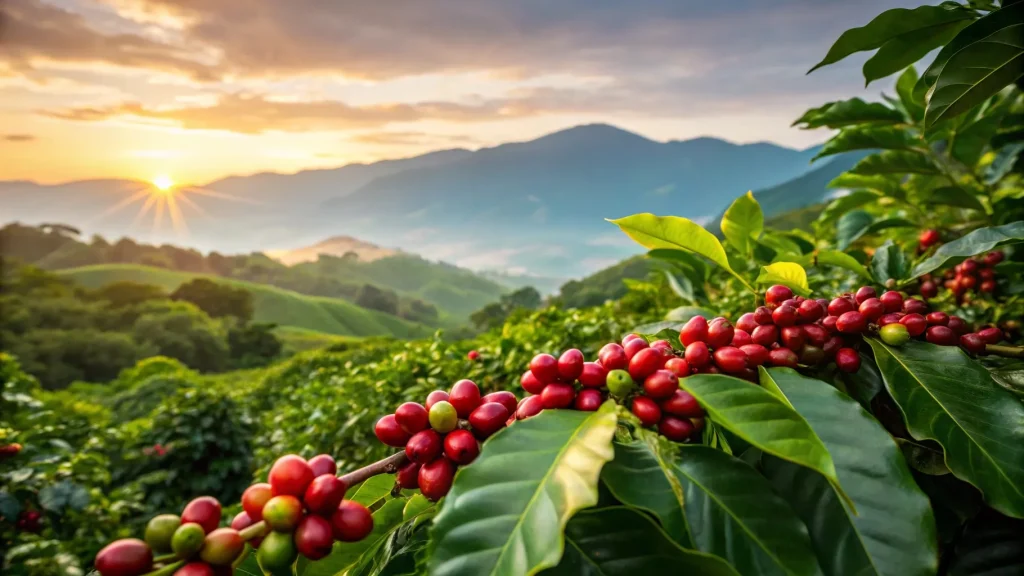
Precision Harvesting and Artisanal Processing
Our commitment to quality begins with the harvest. Unlike mechanical harvesting, which can indiscriminately collect unripe or overripe cherries, our partner farmers engage in selective hand-picking. This labor-intensive process, typically occurring between May and September in Bali’s key coffee regions like Kintamani, means pickers return to the same trees multiple times, ensuring each cherry is harvested at its optimal ripeness. This dedication is paramount; a single unripe cherry can impart astringency, while an overripe one can introduce undesirable fermented notes, compromising an entire lot.
Following harvest, the cherries move to processing, where the unique character of Bali coffee truly begins to emerge. While various methods exist globally, the predominant technique for Bali coffee beans is the traditional wet-hulled method, locally known as “Giling Basah.” This distinctive process involves removing the outer skin and some mucilage, fermenting the beans briefly, and then partially drying them before hulling. The beans are then dried again to a precise moisture content, typically between 10-12%. This method, characterized by its high humidity environment, contributes to the coffee’s signature full body, lower acidity, and earthy, sometimes spicy, flavor profile. For specific micro-lots, we also explore fully washed or natural processing to highlight different intrinsic qualities.
Each processing stage is rigorously monitored. Our team conducts on-site inspections to verify adherence to best practices, from fermentation times to drying protocols. We utilize moisture meters to ensure uniform drying and prevent the development of mold or off-flavors. Post-drying, the beans undergo an initial round of hand-sorting at the cooperative level. Skilled workers meticulously remove any defective beans – those that are broken, insect-damaged, or discolored – ensuring only visually perfect green beans proceed to the next phase. This early intervention is a critical filter, safeguarding the integrity of our Bali coffee beans before they even reach our cupping lab.
The Sensory Journey: Expert Cupping and Flavor Profiling
Once processed and sorted, the journey of our Bali coffee beans culminates in the cupping lab, a sanctuary where sensory analysis reigns supreme. Here, our team of certified Q-graders, adhering strictly to Specialty Coffee Association (SCA) protocols, systematically evaluates each lot. This involves a precise ritual: beans are roasted to a specific profile, ground just before brewing, and steeped in hot water. The process allows for the assessment of fragrance, aroma, flavor, aftertaste, acidity, body, balance, uniformity, clean cup, and sweetness. Each attribute is scored, providing a comprehensive profile of the coffee’s intrinsic quality and potential.
Bali Kintamani coffee is renowned for its distinctive and sought-after flavor profile, a direct reflection of its unique volcanic terroir and the traditional Subak irrigation system. Our cupping experts consistently identify bright citrus notes, often reminiscent of tangerine or lime, harmoniously balanced with hints of chocolate, caramel, and a subtle spice. The Giling Basah processing method further accentuates a rich, earthy undertone, creating a complex and intriguing cup. The volcanic soil, nourished by Mount Batur, imbues the beans with a unique minerality, contributing to a flavor that is both vibrant and grounding. This careful profiling ensures we capture and present the authentic taste of Bali.
Only lots achieving an 80+ point score on the SCA scale qualify as specialty grade, a benchmark we rigorously enforce. Our cupping team evaluates thousands of samples annually, ensuring that every batch of Bali coffee beans we source meets these stringent criteria. This meticulous scoring process is not just about identifying good coffee; it’s about guaranteeing consistency across seasons and lots, providing our discerning clientele with an unwavering standard of excellence. It’s the fact that the luxury experience of Bali coffee begins long before the first sip, rooted in uncompromising quality control.

Cultivating Community and Environmental Harmony
Our methodology extends beyond the bean itself, deeply integrating with the communities and environment that nurture Bali coffee. We foster direct trade relationships, ensuring fair prices that significantly improve the livelihoods of local farmers, many of whom cultivate plots averaging 1-2 hectares. These partnerships support not only economic stability but also contribute to community development, including access to education and healthcare in rural Bali. We believe that true luxury coffee embodies ethical sourcing, creating a positive ripple effect that uplifts entire communities and preserves traditional farming practices.
Environmental stewardship is woven into every aspect of our sourcing. Beyond the sustainable agricultural practices audited in Phase 1, we actively promote and support reforestation initiatives within coffee-growing regions, helping to restore biodiversity and improve soil health. Responsible water management, deeply rooted in the principles of the UNESCO World Heritage-listed Subak system, is a cornerstone of our collaborations. We encourage organic waste composting and minimize the use of synthetic fertilizers, ensuring that the pristine natural beauty of Bali is preserved for future generations. This commitment reflects our understanding that the finest coffee is cultivated in harmony with its surroundings.
Transparency and traceability are paramount in our operations. Each lot of Bali coffee beans is assigned a unique identifier, allowing us to trace it back to its specific cooperative and even individual micro-lot. This robust system provides transparency, offering our buyers complete confidence in the origin and journey of their coffee. We provide detailed information on farm location, processing methods, and cupping notes, ensuring that the story behind every cup is as rich and authentic as the flavor itself. This commitment to traceability aligns perfectly with the expectations of luxury tourism, where authenticity and provenance are highly valued.