Bali Kintamani Arabica Coffee Prices: A 2027 Outlook for Indonesian Specialty Beans
By 2027, the price of Bali Kintamani Arabica coffee beans is expected to remain robust in the specialty market, despite a global projection of $7.00 USD per kilogram for average Arabica. Indonesia’s strategic shift towards high-added-value exports and consistent domestic consumption growth of 8% annually will underpin strong demand, supporting retail prices of Rp 50,000 to Rp 200,000 per 100 grams for specialty grades.
The landscape of coffee pricing is complex, influenced by global and local factors. For Bali Kintamani Arabica, a distinct sub-segment within Indonesia’s broader coffee industry, understanding its price trajectory in 2027 requires a detailed examination of market dynamics, national strategies, and consumer preferences. While the global average Arabica price is projected to see a decrease, Bali’s specialty coffee operates within a different sphere, prioritising quality and unique flavour profiles over volume-driven commodities.
Global Arabica Trends Versus Bali’s Specialty Niche
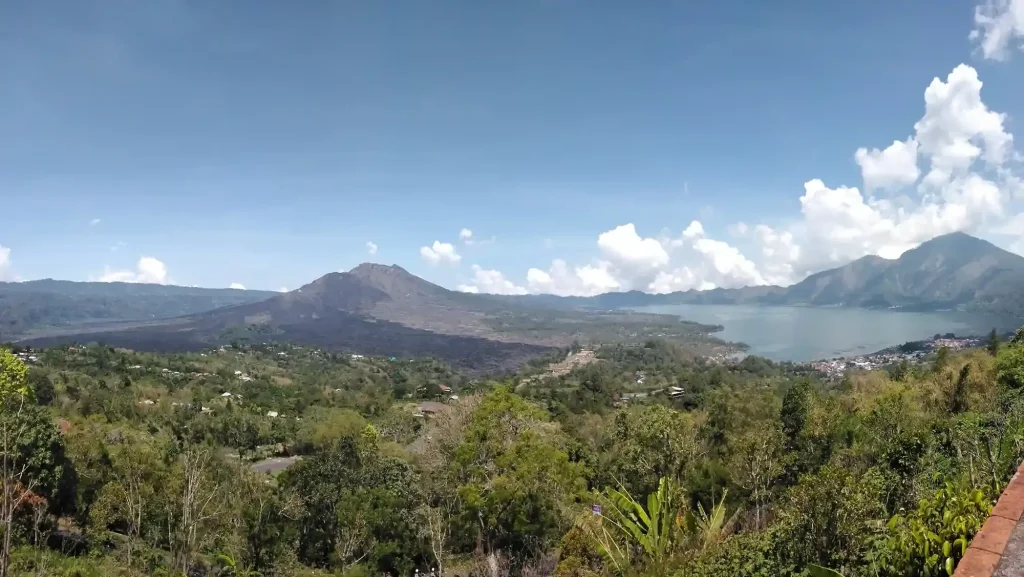
Globally, the average price for Arabica coffee is projected to decrease to $7.00 USD per kilogram in 2027, a notable reduction from $8.47 USD/kg in 2025. This general downward trend for conventional Arabica is a significant indicator for the broader market. However, Bali Kintamani Arabica, particularly its specialty grade, traditionally commands a premium. This premium is sustained by its specific origin, cultivation practices, and the distinctive citrus notes imparted by the volcanic soil of the Kintamani highlands.
Indonesia’s national coffee export value faced a substantial 23% decline in 2020, dropping to $821.94 million, largely attributed to low selling values of raw, low-grade beans, which averaged $2,921 USD per ton. This historical context provides a clear rationale for the current national strategy: to reverse this trend by prioritising high-added-value exports. Bali Kintamani Arabica is a prime example of such a high-value product, aligning perfectly with this strategic shift. The focus is no longer solely on volume but on quality, traceability, and the story behind each bean.
Indonesia’s Strategic Shift: High-Added-Value Exports
The Indonesian government and industry stakeholders are acutely aware of the need to move beyond bulk commodity exports. The aim is to capture a larger share of the specialty coffee market, where margins are significantly higher. This strategy directly benefits regions like Bali, which produce high-quality Arabica. By 2027, this commitment to high-added-value exports will likely translate into more robust pricing for specialty beans, somewhat insulating them from the broader fluctuations of the commodity market.
Bali is one of Indonesia’s key coffee origins, contributing to a total national production volume of 900,000 to 1.2 million tons per year. While this figure encompasses various types and grades of coffee, Bali’s particular strength lies in its Arabica production, specifically the Kintamani variety. The consistent domestic consumption growth in Indonesia, increasing by 8% year-to-year, further supports market demand. This internal market consumed 267,000 metric tons in 2021, providing a solid foundation for local producers and reducing over-reliance on international markets for all grades.
Domestic Consumption and Retail Pricing in 2027
The increasing domestic appreciation for specialty coffee means that a significant portion of Bali Kintamani Arabica can find a strong market within Indonesia itself. For Bali’s specialty coffee beans available in retail, the price per 100 grams currently ranges from Rp 50,000 to Rp 200,000. By 2027, this range is expected to hold firm, if not slightly increase, driven by sustained domestic demand and an ongoing preference for premium local products. Consumers are increasingly willing to pay more for quality, ethical sourcing, and unique flavour profiles.
Consider the table below, illustrating the projected retail price segments for Bali Kintamani Arabica in 2027:
| Quality Grade | Retail Price (Rp per 100g, 2027 Projection) | Characteristics |
|---|---|---|
| Standard Specialty | Rp 50,000 – Rp 90,000 | Consistent flavour, good body, typical Kintamani citrus notes. |
| Premium Specialty | Rp 90,000 – Rp 150,000 | Exceptional cup profile, distinct acidity, complex aromatics, specific processing methods. |
| Micro-Lot/Limited Edition | Rp 150,000 – Rp 200,000+ | Rare, unique flavour nuances, single-farm origin, experimental processing. |
Export Share and Market Dynamics
Approximately 60–70% of Indonesia’s coffee bean production is exported. Even with high domestic consumption growth, there remains significant capacity for export, particularly for specialty grades like Bali Kintamani Arabica. The export market for specialty coffee is less sensitive to the general commodity price fluctuations, focusing instead on origin, traceability, and unique characteristics. This allows Bali’s producers to target discerning international buyers who value quality over sheer volume.
The broader coffee market also sees trends in other varieties. While Bali focuses on Arabica, the national Robusta price is projected to reach $3.90 USD per kilogram in 2026. This indicates a broader upward trend for lower-grade beans, which, while not directly impacting Bali Arabica’s specialty pricing, suggests a generally healthy global demand for coffee across all segments. This overall demand contributes to a stable environment for Indonesian coffee production.
The Future of Bali Kintamani Arabica
The future for Bali Kintamani Arabica in 2027 appears promising, underpinned by a strategic national focus on high-value exports and robust domestic demand. Producers are increasingly adopting sustainable and quality-focused practices, which further solidifies their position in the specialty market. The discerning consumer, both domestically and internationally, will continue to drive demand for unique, high-quality coffees from specific origins such as Bali. This ensures that while global commodity prices may fluctuate, the value of Bali’s specialty beans remains strong.
For those interested in exploring Indonesia beyond its renowned coffee, consider the exceptional experiences available in luxury raja ampat, offering a different facet of the country’s natural beauty and exclusivity.
Key Factors Influencing Bali Kintamani Arabica Prices:
- National strategy shift towards high-added-value coffee exports.
- Consistent 8% year-on-year growth in Indonesian domestic coffee consumption.
- Global consumer preference for specialty and ethically sourced coffees.
- Specific cultivation practices and unique terroir of the Kintamani region.
- Producer investment in quality control and processing innovation.
Q&A: Will the global Arabica price drop affect Bali Kintamani Arabica significantly?
No, the projected global average Arabica price decrease to $7.00 USD/kg in 2027 is unlikely to significantly impact Bali Kintamani Arabica’s specialty pricing. Bali’s coffee benefits from its classification as a high-added-value specialty product, which commands a premium due to its unique origin, quality, and specific flavour profile. The national strategy to prioritise such exports further insulates it from commodity market fluctuations.
Q&A: What role does Indonesian domestic consumption play in Bali Kintamani Arabica prices?
Domestic consumption plays a crucial role. With an 8% year-on-year increase in coffee consumption, Indonesia’s internal market provides a strong and stable demand base for specialty coffees like Bali Kintamani Arabica. This robust local market allows producers to maintain strong retail prices, ranging from Rp 50,000 to Rp 200,000 per 100 grams, and reduces over-reliance on potentially volatile international commodity markets, reinforcing price stability for high-quality beans.