7-Day Bali Coffee Beans Itinerary
Bali coffeebeans encapsulate the island's unique terroir and spiritual farming practices, yielding a distinct profile celebrated globally.
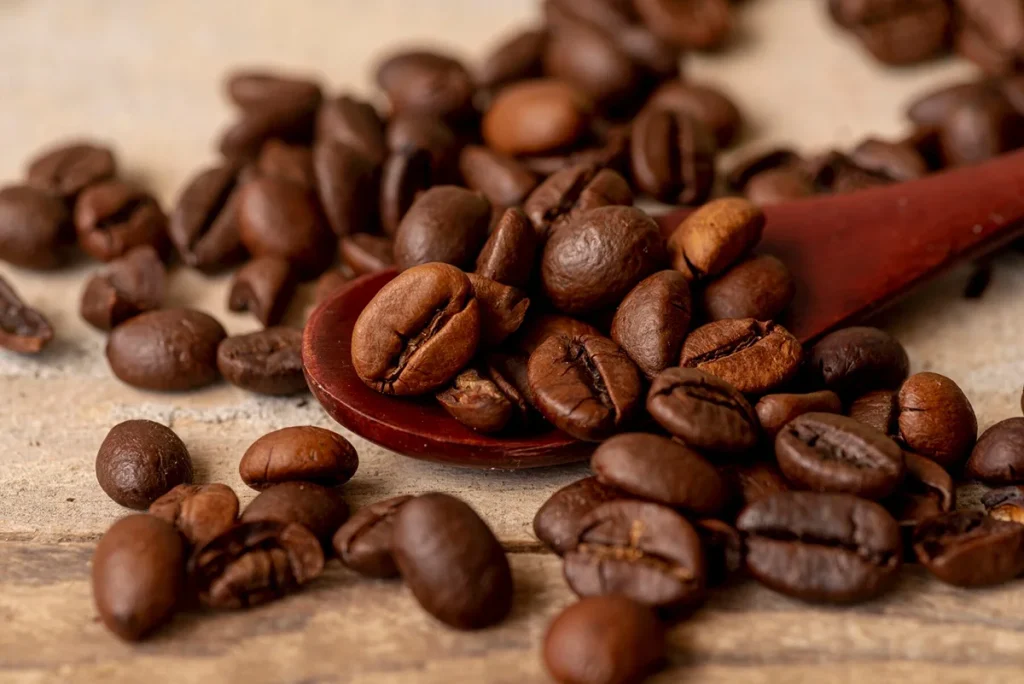
Bali coffeebeans encapsulate the island’s unique terroir and spiritual farming practices, yielding a distinct profile celebrated globally. Grown predominantly in the volcanic highlands of Kintamani and Bedugul, these Arabica and Robusta varieties thrive under the Subak irrigation system, a UNESCO-recognized traditional water management method. The result is a cup often characterized by bright citrus notes, a medium body, and hints of chocolate or caramel, reflecting Bali’s rich agricultural heritage.
- Primary Regions: Kintamani, Bedugul, Munduk, Sidemen.
- Flavor Profile: Bright acidity, citrus fruitiness, clean finish.
- Processing Method: Predominantly wet-hulled (Giling Basah), contributing to unique body.
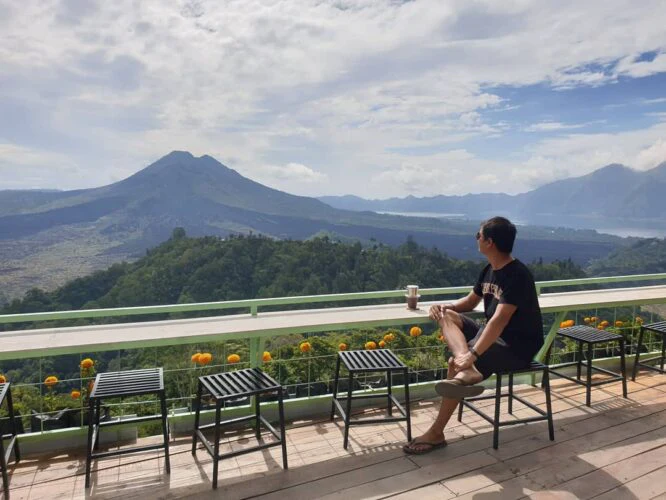
The morning mist still clings to the emerald rice paddies as the first light filters through the palm fronds, carrying with it the unmistakable aroma of freshly brewed coffee. This isn’t just any coffee; it’s the essence of Bali, a complex narrative steeped in volcanic soil, ancient traditions, and the meticulous hands of generational farmers. You stand on a private villa terrace, a cup of exquisite bali coffeebeans warming your palms, ready to a journey that transcends mere tasting. This is an immersion into the island’s soul, a seven-day expedition designed for the discerning traveler seeking depth, authenticity, and access to the source of Bali’s liquid gold, far beyond the well-trodden paths.
Day 1: Arrival & Coastal Indulgence – Seminyak’s Brewed Welcome
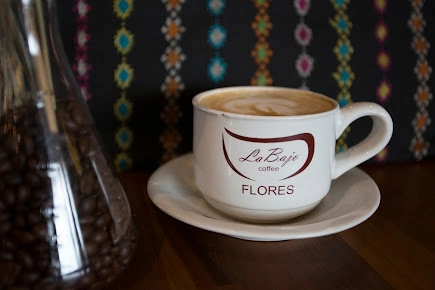
Your private chauffeur navigates the vibrant pulse of South Bali, transporting you from Ngurah Rai International Airport (DPS) to a secluded luxury villa in Seminyak, approximately a 30-minute drive. The ocean breeze carries a whisper of the adventures ahead. After settling into your bespoke accommodation, perhaps a private pool villa with a dedicated butler, the afternoon unfolds with an introduction to Bali’s burgeoning specialty coffee scene. Seminyak boasts an array of sophisticated cafes, each curating exceptional local and international brews. You might choose to visit a renowned establishment like Revolver Espresso, where a single-origin Kintamani Arabica pour-over costs around IDR 55,000, offering a crisp, clean introduction to the island’s signature taste. The evening culminates with a sunset dinner at a clifftop restaurant, savoring culinary artistry while the horizon bleeds into fiery hues, preparing your palate for the deeper explorations to come. This initial immersion sets a benchmark for the luxury and focused exploration that defines your entire journey into the heart of Bali’s coffee culture.
Day 2: Ubud’s Verdant Heart – A First Taste of the Source
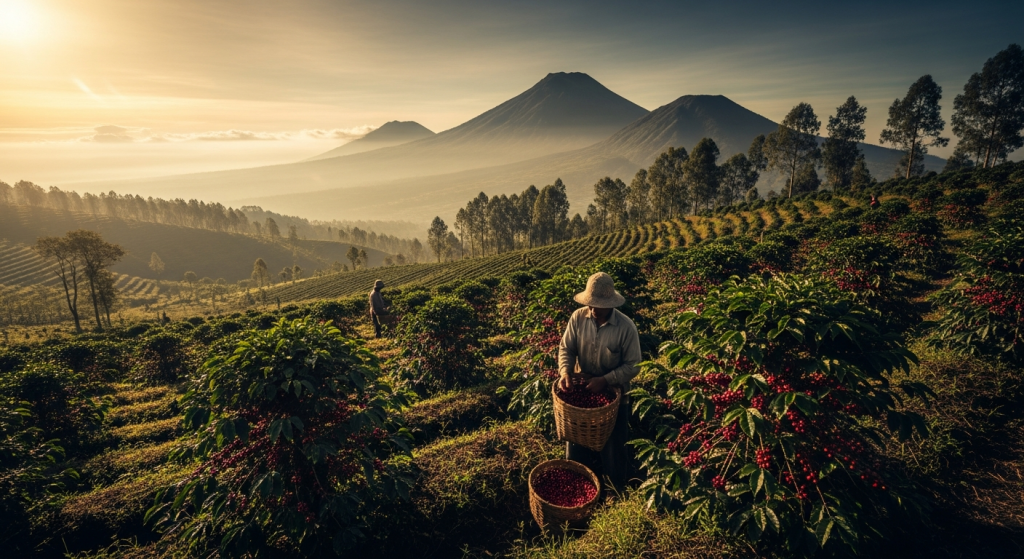
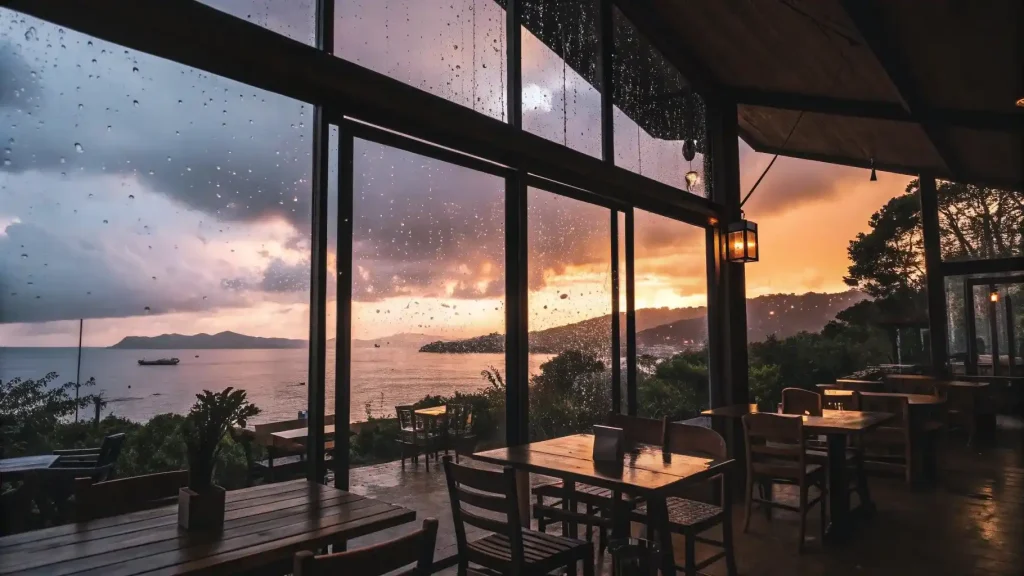
As the sun ascends, a private transfer whisks you north towards Ubud, the cultural and artistic nexus of Bali, a journey spanning approximately 90 minutes through increasingly lush landscapes. Here, the air cools, and the rhythmic sounds of the countryside replace the coastal hum. Your destination is a boutique coffee plantation on the outskirts, offering an exclusive, guided tour. You’ll walk among the trees, learning about the cultivation of both Arabica and Robusta varietals, which thrive at altitudes between 700 and 1,200 meters above sea level in this region. The average Balinese coffee farm is typically small, often less than 2 hectares, emphasizing quality over quantity. An expert agronomist explains the organic farming methods, the symbiotic relationship between coffee plants and shade trees, and the critical role of soil health. The afternoon concludes with a private cupping session, comparing the distinct flavor profiles of beans harvested just kilometers away, perhaps noting a subtle floral note in one, a chocolate undertone in another. This direct engagement with the land and its stewards deepens your appreciation for every cup.
The Art of Balinese Processing
The unique “Giling Basah” or wet-hulled processing method is central to the character of many Bali coffeebeans. Unlike fully washed methods, Giling Basah involves de-pulping the cherries and then partially drying the beans to about 30-35% moisture content before the parchment layer is removed. This process significantly reduces drying time in Bali’s humid climate, which typically takes 2-3 days for this stage, compared to 7-10 days for fully washed beans. The beans are then further dried to the standard 12-13% moisture. This distinctive technique contributes to the fuller body and lower acidity often found in Balinese coffee, lending it a unique earthy, sometimes spicy complexity. You witness this labor-intensive process firsthand, observing the meticulous care taken at each stage, from hand-picking ripe cherries to the final sun-drying on raised beds, ensuring only the finest beans make it to your cup.

Day 3: Kintamani’s Volcanic Embrace – Arabica’s High-Altitude Haven
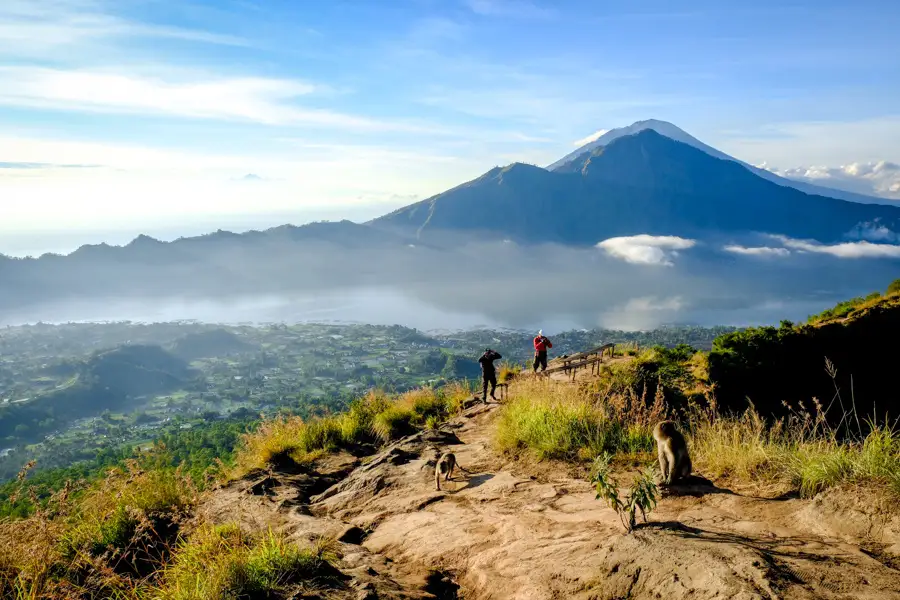
Today, your journey ascends to the dramatic landscapes of Kintamani, a region famed for producing some of Bali’s most celebrated Arabica. The drive, approximately 2 hours from Ubud, offers panoramic views of Mount Batur’s caldera and its serene lake. Here, at altitudes ranging from 1,300 to 1,700 meters, the volcanic soil, rich in nutrients, creates an ideal environment for coffee cultivation. You gain exclusive access to a remote, family-owned farm, where the focus is entirely on organic Arabica. These farms, often passed down through generations, produce varietals like Typica and Bourbon, yielding an average of 500-700 kg of green beans per hectare annually. You’ll spend hours with the farmers, learning about their deep spiritual connection to the land and the unique microclimates that shape their crops. The crisp mountain air invigorates your senses as you sip freshly brewed Kintamani Arabica, known for its bright citrus acidity and clean finish, a true testament to its high-altitude origins. This direct engagement provides insight into the genesis of premium bali coffeebeans.
Tracing the Subak System’s Influence
The Kintamani region’s coffee farms are intrinsically linked to the Subak irrigation system, a UNESCO World Heritage cultural landscape. This sophisticated, democratic system of water management, dating back to the 9th century, channels water from volcanic springs and rivers through a network of canals and tunnels to irrigate rice paddies and, crucially, coffee plantations. The Subak system is not merely about irrigation; it embodies the Balinese philosophical concept of Tri Hita Karana – harmony between humans, nature, and the spiritual realm. Farmers gather at Pura Ulun Danu, water temples, to coordinate planting and irrigation schedules, ensuring equitable distribution. This collective, community-led approach ensures sustainable agriculture, fostering biodiversity and naturally enriching the soil, directly influencing the quality and distinct character of Kintamani coffee. The system manages water for over 19,000 hectares of rice fields and surrounding agricultural lands, including coffee, demonstrating a deep respect for natural resources.
Day 4: East Bali’s Hidden Gems – Sidemen’s Traditional Brews
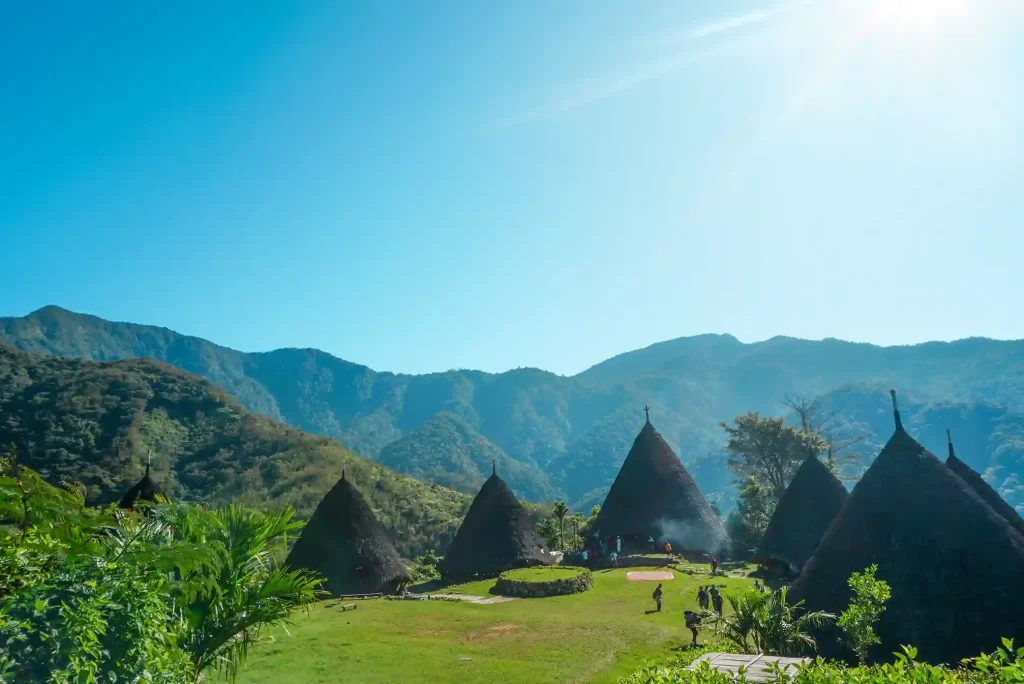
Your quest for authentic coffee experiences takes you eastward to the tranquil valley of Sidemen, a journey of approximately 1.5 hours from Kintamani, known for its untouched beauty and traditional Balinese village life. This region, less frequented by tourists, offers a glimpse into smaller, often more traditional coffee operations. Here, farms are typically even smaller, sometimes just a few hundred square meters, cultivated with meticulous care by individual families. You’ll visit a modest coffee garden, where the focus is on a blend of Arabica and Robusta, often processed using more rudimentary, yet equally effective, methods. The price for specialty green beans from this region might range from IDR 70,000 to IDR 120,000 per kilogram, reflecting the artisanal approach. Engaging with the farmers, you learn about their daily routines, their reliance on the rhythm of the seasons, and the subtle variations in flavor that arise from their specific microclimates and processing nuances. The serene environment, framed by Mount Agung, provides a meditative backdrop for appreciating the quiet dedication behind each cup of Sidemen’s unique brew. It’s an intimate exploration of where true Balinese coffee beans find their unique expression.

Day 5: The Craft of Cupping & Roasting – Mastering the Bean’s Journey
Today is dedicated to the scientific and artistic aspects of coffee. You return towards Ubud for an exclusive masterclass in coffee cupping and roasting. This bespoke session, led by a certified Q Grader, begins with an in-depth exploration of roasting profiles. You’ll witness the transformation of green beans through different roast levels – light, medium, dark – understanding how temperature (often peaking around 200-220°C) and time manipulate flavor. Following this, you participate in an intensive cupping session, a professional tasting protocol involving 8-10 distinct samples, including various bali coffeebeans and perhaps a few international comparisons. You learn to identify and articulate complex flavor notes: the bright acidity of citrus, the sweetness of caramel, the earthiness of spice, and the body of chocolate. The expert guides you through evaluating aroma, flavor, aftertaste, acidity, body, balance, and sweetness. This hands-on experience refines your palate and deepens your understanding of what makes a truly exceptional cup. The session culminates with you roasting a small batch of your preferred beans, a tangible skill to carry home.
Decoding Flavor Profiles
The meticulous process of decoding coffee flavor profiles involves training your palate to discern specific attributes. Acidity, often mistaken for sourness, refers to the bright, lively sensations on the tongue, much like in wine, with citrus (lemon, orange), malic (apple), or tartaric (grape) notes. Body describes the tactile sensation or weight of the coffee in your mouth, ranging from light (tea-like) to full (syrupy). Aroma encompasses the fragrant compounds perceived through the nose, both orthonasally (sniffing) and retronasally (during tasting), yielding descriptors like floral, nutty, chocolatey, or spicy. Sweetness is the pleasant, sugary sensation, while bitterness, in moderation, adds depth. A typical cupping session might analyze these elements over 20 minutes per flight of coffees, allowing for nuanced comparison. Understanding these components transforms coffee consumption from a daily ritual into a profound sensory experience, revealing the intricate artistry behind each sip.
Day 6: West Bali’s Agricultural – Jatiluwih & Coffee’s Coexistence
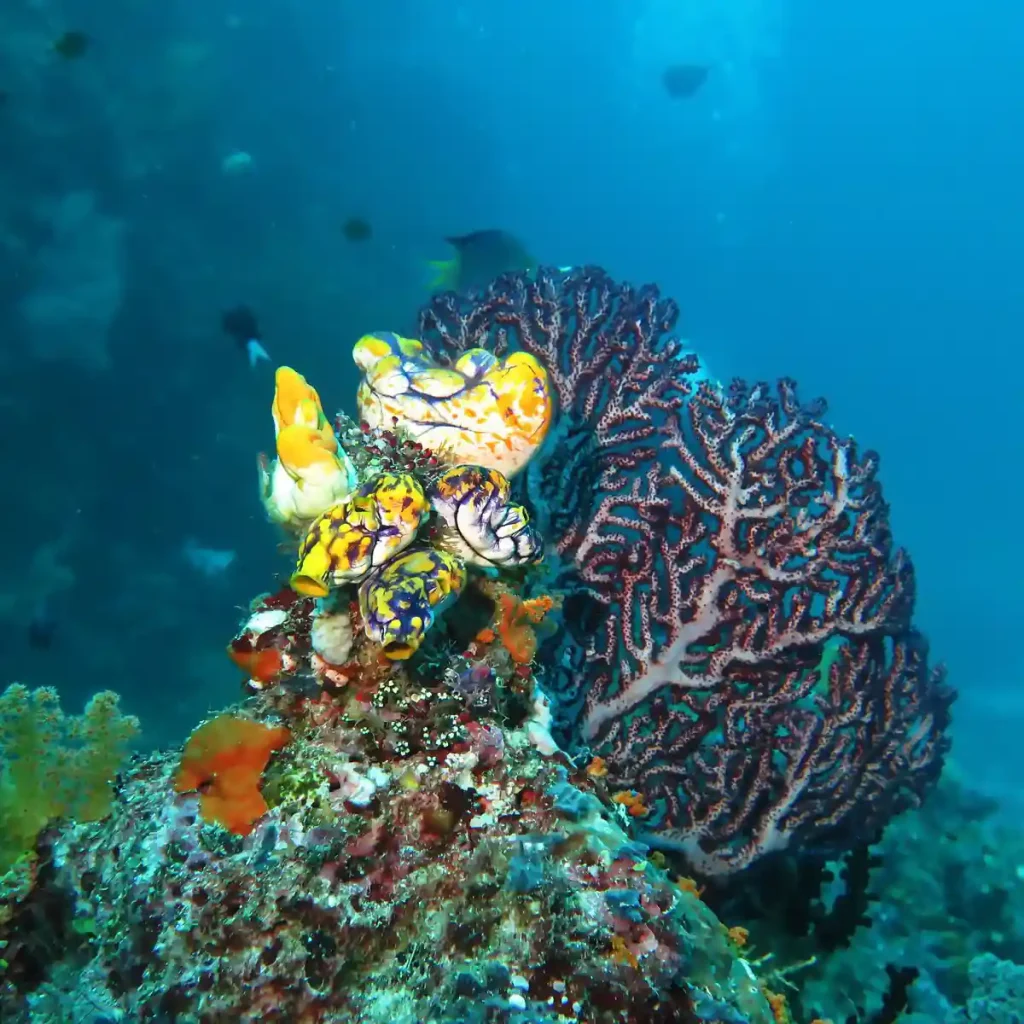
Venturing west today, approximately 1.5 hours from Ubud, you discover the breathtaking Jatiluwih Rice Terraces, a UNESCO World Heritage site. While primarily famous for its cascading rice paddies, this region also illustrates the integrated agricultural practices of Bali, where coffee cultivation often coexists harmoniously within the broader Subak system. Spanning over 2,000 hectares, Jatiluwih’s landscape is sustainable farming, involving thousands of farmers. You a guided trek through these verdant terraces, observing the intricate water channels and learning how the same water that nourishes the rice also supports nearby coffee plants. Some smaller coffee farms are interspersed within this landscape, often cultivating robusta varietals alongside the dominant rice crops. This day offers a holistic view of Balinese agriculture, showcasing how coffee is not an isolated crop but an integral part of a larger, interconnected ecosystem. It reinforces the understanding that the island’s unique terroir extends beyond just volcanic soil, encompassing a deep-rooted respect for nature and community-driven resource management. Consider this a vital detour on your coffee bean tour, connecting the dots of Bali’s agricultural artistry.
Day 7: Bespoke Blends & Departure – A Taste to Carry Home
On your final day, the journey culminates in a truly personalized experience. Before your departure, you engage in a private workshop with a master blender. Leveraging the knowledge gained over the week, you work to create your own bespoke coffee blend, combining different Arabica and Robusta varietals from the regions you’ve explored. Perhaps a Kintamani Arabica for its bright acidity, balanced with a touch of Sidemen Robusta for body and depth. The master blender guides you through ratios and roasting nuances, resulting in a unique batch of coffee that perfectly captures your personal preference and memories of Bali. A custom-packaged 250-gram bag of your blend, which might cost around IDR 300,000-500,000 for the experience and beans, becomes a tangible souvenir. As your private transfer takes you back to Ngurah Rai International Airport for your flight home, allowing 2-3 hours for check-in, you carry not just a bag of exceptional bali coffeebeans, but a profound understanding of their origin, the meticulous craft, and the vibrant culture that cultivates them. This isn’t just a trip; it’s an education, a luxury immersion into the very heart of Bali’s coffee soul.
This journey through Bali’s coffee landscape offers more than just a taste; it provides a profound connection to the island’s spirit, its people, and its agricultural heritage. Every sip becomes a story, every aroma a memory. Are you ready to your own extraordinary exploration of Bali’s finest? Connect with our luxury travel specialists today to tailor your bespoke coffee adventure and discover the true essence of the archipelago’s celebrated brew.