
Bali Coffee Beans Packing Guide
Preparing for Bali involves understanding its tropical climate, rich culture, and diverse activities.

Preparing for Bali involves understanding its tropical climate, rich culture, and diverse activities. A smart packing strategy ensures comfort and respect, allowing you to fully immerse in the island’s unique rhythm, from serene temples to vibrant coffee plantations. Essential items include lightweight clothing, modest attire for cultural sites, and sturdy footwear for exploration.
- Lightweight, breathable fabrics for tropical heat and humidity.
- Modest clothing, including sarongs, for temple visits and local interactions.
- Sturdy, comfortable shoes suitable for varied terrain, from rice paddies to volcanic slopes.
The air in Bali is a humid, fragrant embrace, carrying the distant chime of gamelan and the earthy scent of incense. Sunlight filters through emerald rice terraces, illuminating the intricate details of a daily offering. You arrive, ready to into an island where spiritual traditions weave seamlessly with vibrant modern life, where every sunrise paints the sky in hues of impossible beauty, and where the promise of discovery, perhaps even the perfect bag of bali coffeebeans, beckons from every corner. But before you step into this sensory feast, the art of packing requires thoughtful consideration, ensuring you are perfectly equipped for every facet of your luxury Balinese escape.

Climate & Comfort: Embracing Bali’s Tropical Rhythm
Bali’s equatorial position guarantees a consistently warm, humid climate, typically hovering between 26°C and 30°C year-round. The dry season, spanning roughly April to October, offers sun-drenched days with minimal rain, while the wet season, from November to March, brings intermittent tropical downpours and higher humidity, often around 85%. Your wardrobe must reflect this tropical reality, prioritizing breathability and quick-drying capabilities. Think natural fibers like linen, cotton, and bamboo. Lightweight dresses, tailored shorts, and airy shirts form the foundation of your daily wear. Consider packing a few pieces made from technical fabrics for their moisture-wicking properties, especially if you plan on active pursuits. A lightweight rain jacket or a compact umbrella is indispensable, even during the dry season, as sudden showers can surprise. Protection from the intense sun is paramount; a wide-brimmed hat, sunglasses with UV protection, and reef-safe sunscreen (at least SPF 30) are non-negotiable. Remember, the sun’s intensity near the equator is significantly stronger than in temperate zones, demanding diligent application every two hours. Temperatures can drop slightly in the evenings, particularly in highland areas like Munduk or Bedugul, where elevations reach over 1,000 meters, so a light cardigan or wrap can provide welcome comfort. For instance, the average evening temperature in Ubud might be 24°C, but atop Mount Batur, it can dip to 15°C before dawn. Your comfort dictates your ability to fully savor every moment, from morning yoga sessions to twilight cocktails overlooking the Indian Ocean. Pack smart, pack light, and let the island’s warmth envelop you.
Cultural Immersion: Respectful Attire for Sacred Spaces
Bali is often called the “Island of a Thousand Temples,” though the actual number exceeds 20,000 Pura (temples) scattered across its landscape. Respectful attire is not merely a suggestion but a cultural imperative when visiting these sacred sites or engaging with local communities. Both men and women are expected to cover their shoulders and knees. For women, this means blouses or t-shirts that cover the shoulders and skirts or trousers that extend below the knee. For men, collared shirts and long shorts or trousers are appropriate. The traditional Balinese sarong (kain) and sash (selendang) are essential items. While many temples offer rentals at their entrances for a small fee, typically around 10,000-20,000 IDR (less than $1.50 USD), having your own ensures both convenience and a personal touch. These can be purchased affordably at local markets for about 100,000-250,000 IDR ($7-17 USD) and make for beautiful souvenirs. When entering a temple, removing your shoes is often required, so slip-on sandals or easily removable footwear are practical choices. Beyond temples, modesty extends to everyday interactions. While resort areas are more lenient, venturing into local villages or attending ceremonies calls for more conservative dress. This demonstrates your appreciation for Balinese customs and opens doors to deeper, more meaningful cultural exchanges. Embrace the opportunity to don a beautiful sarong; it’s an elegant way to honor the island’s profound spiritual heritage, which dates back over a thousand years to the Majapahit Empire’s influence. Understanding and respecting these nuances enriches your journey, transforming a simple visit into a genuine connection.
Etiquette for Temple Visits
- Always wear a sarong and sash, ensuring shoulders and knees are covered.
- Avoid pointing with your feet, especially towards people or sacred objects.
- Do not enter a temple if you are menstruating, have an open wound, or are recently bereaved; these are considered impure.
Island Exploration: From Volcanic Trails to Azure Coasts
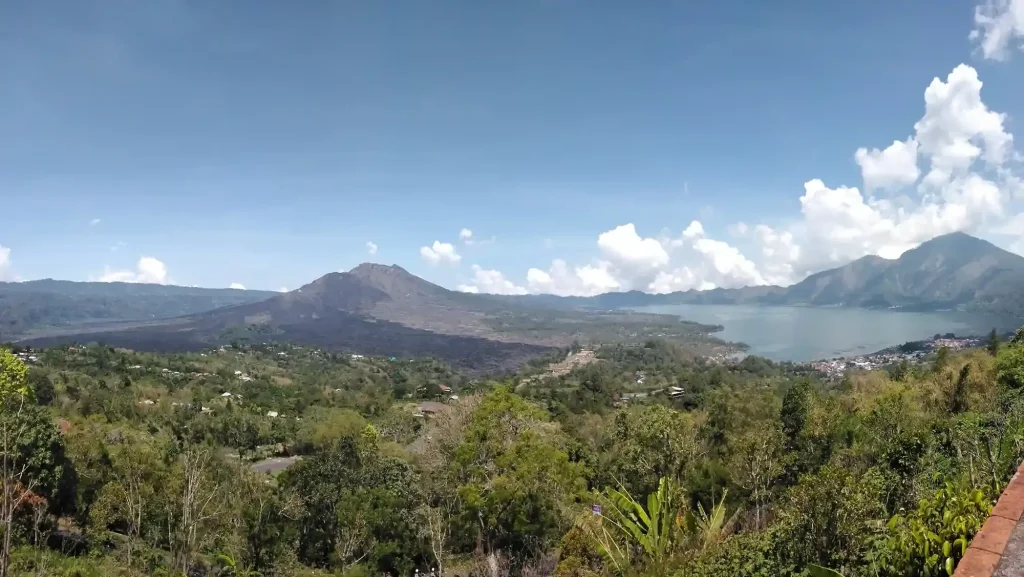
Bali’s diverse landscape invites exploration, from the cool peaks of its volcanoes to the warm sands of its beaches and the vibrant underwater worlds. Your packing list must accommodate this range of activities. For trekking adventures, such as the popular sunrise hike up Mount Batur (1,717 meters above sea level), sturdy hiking shoes with good grip are essential. While the ascent itself takes roughly two hours, the uneven volcanic terrain demands proper footwear. Lightweight, moisture-wicking socks will prevent blisters. If you plan to explore the iconic Tegalalang Rice Terraces or wander through lesser-known village paths, comfortable walking sandals or sneakers will suffice. These areas often involve gentle inclines and dirt paths, sometimes wet after rain. For water-based activities like surfing, snorkeling, or diving, pack at least two swimsuits. Quick-dry towels are incredibly useful, saving space and weight in your luggage. Consider a rash guard for sun protection during extended time in the water, especially when snorkeling over the vibrant coral reefs around Menjangan Island or Amed. A waterproof dry bag is invaluable for keeping your phone, camera, and other valuables safe and dry during boat trips or beach excursions. For those considering a surf lesson in Seminyak, boards and rash guards are typically provided, but your own swimwear is a must. Don’t forget a reusable water bottle; staying hydrated in the tropical heat is critical, and many hotels and cafes offer refill stations, reducing plastic waste—an initiative strongly supported by the Balinese community. With the right gear, every path, every wave, and every hidden waterfall becomes an accessible adventure.
Activity-Specific Footwear
- Hiking: Closed-toe, sturdy hiking boots or trail shoes for volcanic treks.
- Walking: Comfortable sneakers or supportive sandals for rice paddies and town strolls.
- Beach/Water: Flip-flops, water shoes, or reef-safe sandals.

The Art of Flavor: Securing Your Bali Coffee Beans Treasure
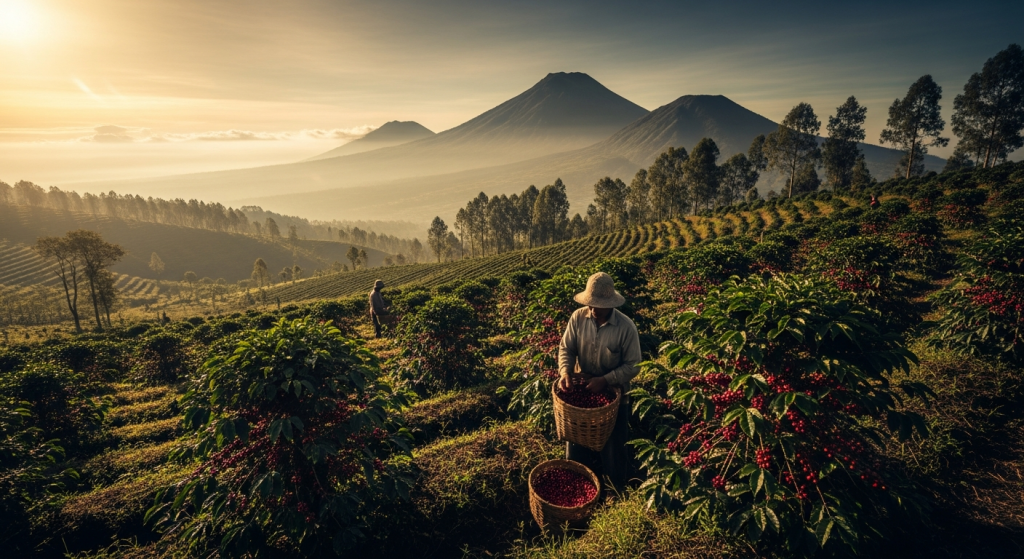
For connoisseurs of fine coffee, bringing home the distinctive flavors of Bali is an absolute must. The island is renowned for its Arabica beans, particularly those from the Kintamani region, grown at elevations between 1,000 and 1,700 meters above sea level. These beans are cultivated using the traditional Subak system, a UNESCO-recognized water management cooperative, which contributes to their unique flavor profile: often bright, citrusy, and with a clean finish. When packing bali coffeebeans, consider their form. Whole beans retain their freshness longer than ground coffee. Look for vacuum-sealed bags, which protect the beans from moisture and air, preserving their aromatic integrity for months. Most reputable coffee producers, like Seniman Coffee Studio or Revolver Espresso, offer beautifully packaged 250g or 500g bags, perfect for gifting or personal enjoyment. Prices for quality Kintamani Arabica typically range from 150,000 IDR to 250,000 IDR ($10-17 USD) per 250g bag. Be mindful of quantity; most airlines allow coffee in both carry-on and checked luggage, but check your specific airline’s restrictions. For more exotic varieties, like Kopi Luwak, be aware of ethical sourcing. Authentic Kopi Luwak, fermented by civet cats, can command prices upwards of $35-$100 USD per cup, and truly ethically sourced options are rare. Instead, focus on the exceptional quality of single-origin Kintamani Arabica or robust Robusta beans from Munduk. Pack these precious bali coffeebeans carefully, perhaps among soft clothing, to prevent crushing. The aroma alone will transport you back to the island’s verdant plantations, a delicious reminder of your luxury Indonesian escape. Consider a dedicated coffee grinder for home to truly unlock their potential.
Evening Sophistication: Dining & Resort Elegance
Bali’s luxury resorts and fine dining establishments call for an elevated evening wardrobe. While the island maintains a relaxed ambiance, a touch of sophistication is always appreciated, particularly when savoring a curated tasting menu at a five-star restaurant in Seminyak or enjoying sunset cocktails overlooking Uluwatu’s cliffs. For women, elegant sundresses, chic jumpsuits, or tailored trousers paired with stylish blouses are perfect. Lightweight silk or linen fabrics offer both comfort and class. Accessorize with statement jewelry or a delicate clutch to complete the look. For men, collared shirts—think linen button-downs or smart polos—are generally preferred over t-shirts, especially in upscale venues. Tailored shorts can be acceptable in some resort casual settings, but lightweight trousers or chinos are a safer bet for more formal dining experiences. A light blazer or sport coat might be appropriate for the most exclusive venues, though rarely required due to the tropical heat. Avoid overly casual attire like flip-flops or beachwear in these settings; opt instead for elegant sandals, loafers, or dressy espadrilles. Many luxury resorts host special themed evenings or cultural performances, providing an excellent opportunity to showcase your refined island style. For instance, a bespoke dinner at The Ritz-Carlton Bali might suggest a smart casual dress code, while a beachside BBQ at the Four Seasons Sayan allows for slightly more relaxed elegance. The key is to strike a balance between comfort and polished presentation, reflecting the luxury and grace that define Bali’s high-end experiences. Remember, a well-chosen outfit enhances not just your appearance, but your entire dining and social experience.
Wellness & Practicalities: Staying Safe and Connected
Beyond clothing and cultural considerations, a thoughtful packing list includes essentials for health, safety, and connectivity. A basic first-aid kit is crucial, containing items like antiseptic wipes, band-aids, pain relievers, and any personal prescription medications (with copies of prescriptions). Over-the-counter stomach remedies are also wise, as dietary changes can sometimes cause minor upset. Insect repellent is non-negotiable, especially during dawn and dusk, to guard against mosquito bites; look for repellents containing DEET or picaridin. While Bali’s healthcare facilities are good, particularly in tourist hubs like Denpasar and Seminyak, prevention is always better. For connectivity, Bali uses Type C and Type F electrical outlets, so universal travel adapters are essential. A portable power bank ensures your devices remain charged during long excursions or unexpected power outages, which are rare but can occur. Consider a waterproof phone pouch for peace of mind near water. If you plan to use a local SIM card (available affordably at the airport or local shops for around 100,000-200,000 IDR for several GB of data), ensure your phone is unlocked. For those with specific dietary needs or allergies, carrying a small card with translations of your requirements in Bahasa Indonesia can be incredibly helpful. Always have travel insurance; it’s a small investment for significant peace of mind, covering everything from medical emergencies to lost luggage. Finally, a small backpack or day bag is perfect for daily excursions, holding water, sunscreen, a sarong, and any souvenirs you might acquire, perhaps even a fresh bag of bali coffeebeans. Prepare thoughtfully, and you’ll navigate Bali with confidence and ease, ready for every exquisite moment the island presents.
For more detailed insights on Indonesian travel regulations, visit Indonesia.travel. For information on the Subak system and its UNESCO status, explore UNESCO’s official site. For general facts about Bali’s geography and culture, Wikipedia offers a comprehensive overview.
As you meticulously curate your luggage for Bali, remember that each item packed is a step towards unlocking an even richer, more seamless experience. From the soft drape of a linen dress against your skin to the secure knowledge that your prized bali coffeebeans are safely tucked away, every detail contributes to the of your journey. Let this guide empower you to pack not just clothes, but possibilities, ensuring that every moment on the Island of the Gods is lived in exquisite comfort and style. Your Balinese adventure awaits, perfectly prepared and utterly unforgettable.