How Much Does a Private Bali Coffee Plantation Tour Cost?
- Exclusivity: Access to private, non-tourist estates versus commercial plantations.
- Inclusions: A simple tasting flight versus a multi-course food pairing or private roasting session.
- Logistics: A private driver and guide, luxury vehicle, and potential helicopter transfers.
The air shifts the moment your vehicle begins its ascent into Bali’s central highlands. The humid, salt-tinged breeze of the coast gives way to something cooler, fragrant with damp earth, clove, and the faint, sweet perfume of frangipani. You are climbing towards the clouds, towards the volcanic soil where the island’s most celebrated agricultural treasure is born. The rhythmic hum of the engine is the only sound, a prelude to the sensory immersion that awaits. This isn’t just about tasting coffee; it’s about understanding its provenance, a journey that begins with a single, crimson-red coffee cherry and ends in the perfect cup. But for the discerning traveler, the question isn’t just about the experience, but its architecture: what does a truly private, curated exploration of this world actually cost?
Deconstructing the Price Tag: What Are You Actually Paying For?
Understanding the private Bali coffee plantation tour cost requires looking beyond a single sticker price. It’s an à la carte menu of expertise, access, and comfort. The foundational cost, typically 30-40% of the total, is for your private guide and vehicle. This is non-negotiable for a genuine luxury experience. A knowledgeable local guide, someone like my friend Wayan who can differentiate between the tasting notes of Arabica grown at 1,200 meters versus 1,400 meters, is worth every rupiah. Expect to invest between $100-$150 for a top-tier guide and a comfortable, air-conditioned SUV for the day. The second major component is access. Large, commercial plantations accessible to tour buses might charge a nominal entrance fee of $5-$10, but a private tour secures entry to a family-owned, boutique estate that isn’t on the general tourist map. This exclusivity can account for another $50-$100 per person, a fee that supports the farm directly and ensures you aren’t sharing the experience with a crowd. Finally, you have the inclusions: the coffee tasting itself. A standard flight of 5-6 different coffees and teas might be $15, but a comprehensive cupping session that includes rare varietals and a professionally guided Kopi Luwak tasting can easily be $75 or more. As you can see, the price is a reflection of the depth you wish to explore. For a complete overview of what goes into the bean itself, our Definitive Bali Coffee Beans Guide provides an essential primer on the island’s unique coffee culture.
The Entry-Level Private Experience: The $75-$150 Per Person Tier
In the world of luxury travel, “entry-level” is not a pejorative; it signifies a focused, high-quality experience without excessive embellishments. For a private Bali coffee tour, this price point, roughly $75 to $150 per person, delivers a superb half-day excursion, typically lasting four to five hours. This investment secures you a private car and an English-speaking driver-guide who will navigate the winding roads up from Ubud or the southern coasts to the coffee-growing regions like Tegallalang or Gianyar. Your destination will likely be a well-regarded, often family-run plantation that, while open to the public, provides a separate, more intimate setting for private guests. The experience is centered on a guided walk through the coffee plants, where you’ll see Arabica and Robusta trees, along with other crops like vanilla, cinnamon, and cocoa that are often grown in the same agroforestry system. The highlight is a curated tasting flight. You’ll typically sample 8 to 12 varieties of coffee and herbal teas, from potent Bali coffee and ginseng-infused brews to sweet mangosteen tea. A demonstration of traditional manual roasting over an open fire is almost always included. While this tier generally does not include a full meal or a Kopi Luwak tasting (that’s usually an optional add-on for about $20-$30 per cup), it offers a seamless, comfortable, and deeply informative introduction to the island’s coffee heritage, a world away from the impersonal nature of a group bus tour.
The Connoisseur’s Choice: The $200-$400 Mid-Range Tour
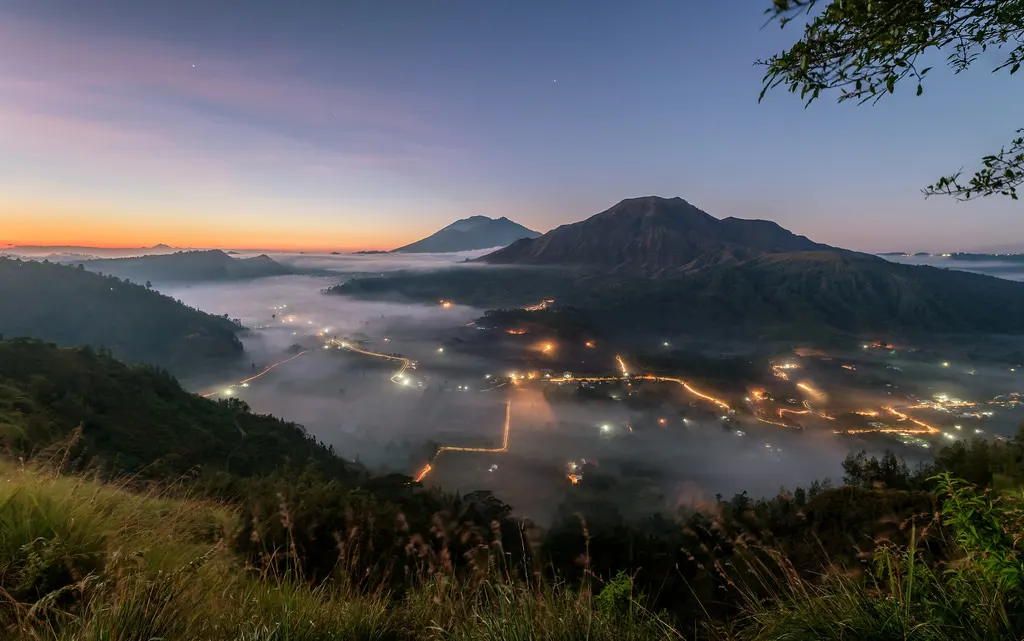
This is where the journey transitions from an introduction to an immersion. For the traveler whose interest in coffee is more than casual, the $200 to $400 per person range unlocks a level of detail and exclusivity that defines a true connoisseur’s experience. This is a full-day affair, often spanning 7-8 hours, that ventures deeper into the heart of Bali’s coffee land, the Kintamani highlands. Here, at altitudes of 1,100 to 1,600 meters, the cooler climate and rich volcanic soil from Mount Batur produce Bali’s most prized Arabica beans. Your guide for the day is not just a driver, but a coffee expert, capable of discussing the nuances of wet-processing versus dry-processing. The destination is a boutique, often organic, single-origin estate. I recall a visit with Ibu Dewi at her farm overlooking the caldera; she personally walked me through her micro-lots, explaining how subtle shifts in shade from the surrounding orange trees affect the final cherry. The cost here covers an extended private tour with the owner or farm manager, a hands-on roasting or grinding session, and a sophisticated “cupping” experience that mirrors professional tasting protocols. A multi-course lunch, often featuring ingredients grown on the farm, is typically included, paired with different coffee preparations. This tier almost always includes a responsible and ethically sourced Kopi Luwak tasting, explained in detail. For a comprehensive breakdown of how these elements are valued, our Bali Coffee Beans Pricing & Cost Guide offers a granular look at what commands a premium.
The Ultimate Indulgence: The $500+ Bespoke Coffee Journey
When cost is secondary to the experience itself, you enter the realm of the truly bespoke. At the $500+ per person mark—a price that can easily climb into the thousands—the day is entirely yours to script. This is not a tour; it is a curated coffee expedition. The day might begin with a helicopter transfer from your villa in Uluwatu, soaring over rice paddies and landing directly at a remote, high-altitude estate in the Munduk region, a part of the island known for its heritage plantations established by the Dutch in the early 20th century. Here, you are not a guest, but a participant. You might spend the morning alongside the farmers during harvest season (typically May to October), learning to select only the ripest red cherries. The experience is orchestrated by a coffee master, perhaps a Q Grader (the sommelier equivalent in the coffee world), who leads you through a private roasting session where you create your own signature blend to take home. The tasting is elevated to a gastronomic event: a private chef prepares a tasting menu where each course is meticulously paired with a specific coffee varietal, showcasing how notes of citrus, chocolate, or spice in the bean can complement the food. This level of service also means access, perhaps even to the intricate, community-managed water systems, known as Subak, which UNESCO recognizes as a World Heritage cultural landscape and are vital to the irrigation of these plantations. To design your own bespoke coffee journey is to engage with Balinese culture at its most elemental and refined level.
Beyond the Beans: Factoring in Location, Seasonality, and Inclusions
The final cost of your private tour is also a function of logistics and timing. Geography plays a significant role. Most of Bali’s premier coffee plantations are located in the central and northern highlands, primarily around Kintamani, Munduk, and Plaga. A tour originating from a hotel in Ubud is geographically advantaged, with travel times of 45-60 minutes. However, if your home base is in Seminyak, Canggu, or Nusa Dua, you must account for a 90-minute to two-hour drive each way, which adds a significant premium for the vehicle and guide’s time, potentially increasing the base cost by $50-$75. Seasonality is another critical factor. The primary coffee harvest season runs from roughly May through October. Visiting during this period offers a richer experience—you can witness the picking, processing, and drying of the beans firsthand. Some exclusive estates may charge a small premium for tours during peak harvest due to the heightened activity and access. Conversely, a tour in the wet season (November to April) might offer slightly lower prices and fewer crowds, though the experience will be more focused on roasting and tasting rather than harvesting. Always clarify inclusions. Does the price cover a meal or just light snacks? Is the Kopi Luwak tasting included or an extra charge? According to Indonesia’s official tourism board, transparency in pricing is improving, but it’s always wise to confirm every detail in advance to ensure your bali coffeebeans tour aligns perfectly with your expectations.
Quick FAQ on Private Bali Coffee Plantation Tour Costs
Is the famous Kopi Luwak tasting typically included in the tour price?
In the entry-level tier ($75-$150), a Kopi Luwak tasting is almost always an optional add-on, costing an additional $20-$30 per cup. For mid-range and bespoke tours ($200+), an ethical and authentic Kopi Luwak tasting is generally included as part of the premium package, often with a detailed explanation of the process and the estate’s animal welfare standards.
Do I need to tip my guide and driver?
While tipping is not mandatory in Bali, it is a much-appreciated gesture for excellent service. For a private, full-day tour, a tip of 100,000 to 150,000 IDR (approximately $7-$10 USD) for the guide and slightly less for the driver is a common and generous amount. If the service was truly exceptional, a tip of 10-15% of the tour cost is a good guideline.
Are tours customizable for groups with non-coffee drinkers?
Absolutely. This is a key advantage of a private tour. Most coffee plantations also grow a variety of other products. The experience can be tailored to include cacao processing and chocolate making, spice discovery walks, or extensive tastings of the many herbal teas and infusions produced on the estate. Just be sure to communicate these preferences when booking.
What is the best time of year for a coffee tour in Bali?
For the most comprehensive “farm-to-cup” experience, the dry season from May to October is ideal, as this coincides with the main coffee harvest. You’ll see the entire process, from picking the ripe cherries to sun-drying the beans. That said, tours are available year-round, and the lush, green landscapes are particularly vibrant during the wet season.
The world of Balinese coffee is not a monolith; it is a spectrum of experiences, from rustic and authentic to polished and luxurious. The cost of a private tour is simply a reflection of where on that spectrum you wish to land. It is an investment in knowledge, in sensory pleasure, and in a deeper connection to the volcanic soil that gives the Island of the Gods one of its most cherished gifts. To begin crafting your personal exploration into this aromatic world, explore the world of bali coffeebeans and discover the journey that awaits.