When is the Best Time for a Bali Coffee Harvest Tour?
- Peak Harvest: This window aligns with the main harvest for Bali’s prized Arabica coffee, ensuring you see the plantations at their most active.
- Favorable Weather: With minimal rainfall and abundant sunshine, these months are perfect for farm tours and observing the critical sun-drying process.
- Exclusive Events: Many boutique plantations and coffee producers host special harvesting workshops and tasting events during this high season.
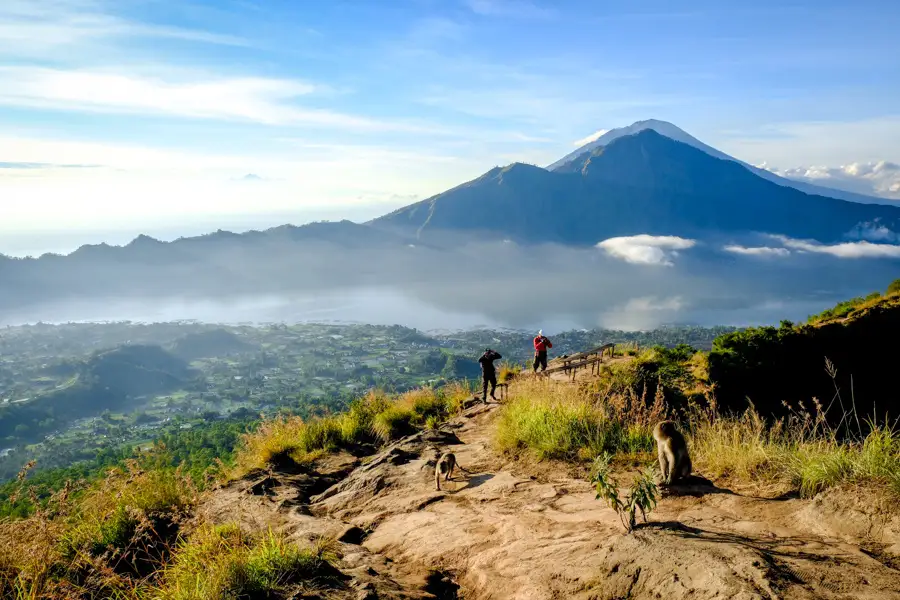
The air in the Kintamani highlands hangs thick and cool, a welcome reprieve from the coastal heat just 50 kilometers south. Here, at 1,300 meters above sea level, the world is a of deep greens and rich, volcanic earth. A faint, sweet scent—part jasmine, part citrus—drifts from the coffee trees that cling to the terraced slopes. Your guide points to a branch, where a cluster of coffee cherries glows with the color of a dark ruby. This is the moment you came for: the culmination of a year-long cycle, the beginning of a process that transforms a simple fruit into one of the world’s most coveted beverages. Understanding when to arrive to witness this spectacle is the key to unlocking a truly memorable journey into the heart of Balinese coffee culture.
Understanding Bali’s Dual Harvest Seasons
To pinpoint the perfect moment for your visit, it’s essential to understand that Bali doesn’t have a single, monolithic coffee harvest. The island’s topography and agricultural traditions create a nuanced calendar dictated by altitude and coffee varietal. The two dominant players are Arabica and Robusta. The former, accounting for nearly 80% of the island’s production, is the star of the specialty coffee world. Thriving in the cooler climates of high-altitude regions like Kintamani and Munduk, generally between 1,100 and 1,600 meters, Arabica undergoes one primary harvest season. This is the main event, the period when the famed Kintamani beans, with their bright, fruity notes, are picked. The main harvest for Arabica typically begins in May and runs through August, sometimes stretching into late September if the rains hold off. In contrast, Robusta, a hardier bean grown at lower elevations below 900 meters, can often be harvested multiple times a year, with a primary crop that tends to peak slightly later than Arabica. For the connoisseur seeking the quintessential Bali coffee experience, the Arabica harvest is the one to target. This agricultural rhythm is deeply intertwined with the island’s unique cultural landscape, including the famous Subak irrigation system, a UNESCO World Heritage site whose principles of communal harmony and water management have shaped Balinese farming for over a thousand years.
The Peak Harvest Window: A May to September Deep Dive
The months from May to September represent the absolute sweet spot for a Bali coffee harvest tour. This is the island’s dry season, a period characterized by sun-drenched days, lower humidity, and average daily temperatures hovering around a pleasant 27°C. The lack of rain is not just a convenience for travelers; it’s critical for the coffee producers. “The sun is our most important tool after the harvest,” explained I Gede, a farm manager at a private estate near Mount Batur, during my last visit. “Consistent sun allows us to use the traditional raised drying beds, which gives the beans a cleaner, more vibrant flavor profile.” During these months, the plantations are a hive of activity. You will witness teams of pickers, often local villagers, moving meticulously through the coffee groves, their baskets gradually filling with only the ripest, crimson-red cherries. This selective hand-picking, a process that can require 3 to 4 passes over the same trees, is a hallmark of specialty coffee production. A tour during this period offers more than just observation; it’s an immersive, sensory experience. The air is filled with the sweet scent of the fruit, the sounds of the bustling farm, and the visual feast of the vibrant harvest. To truly understand the nuances of this process, from the specific varietals grown to the unique wet-hulling method known as Giling Basah, our Definitive Bali Coffee Beans Guide provides an essential primer for any aspiring coffee aficionado.
The Shoulder Seasons: What to Expect in April and October
For the traveler who prefers to sidestep the peak tourist flows, the shoulder months of April and October offer a different, yet equally compelling, perspective on Bali’s coffee cycle. April marks the transition from the wet to the dry season. The landscape is intensely lush, and while the main harvest may not be in full swing, you can often witness the “first pick,” where early-ripening cherries are gathered. There’s a palpable sense of anticipation on the farms, a quiet readiness for the busy months ahead. The primary advantage is fewer visitors, allowing for more intimate and spontaneous interactions with the farmers. Conversely, October sits at the tail end of the harvest. The picking is largely complete, and the focus shifts almost entirely to processing. This is the time to see vast patios and drying beds covered with beans, a patchwork of green, honey, and brown. The air is thick with the nutty, earthy aroma of drying coffee. You can observe the intricate stages of hulling, sorting, and grading—the quiet, methodical work that is just as crucial as the harvest itself. Visiting during these periods can also be financially savvy; a detailed breakdown in our Bali Coffee Beans Pricing & Cost Guide shows that both accommodation and tour costs can be 15-25% lower than during the high season, offering significant value for a more serene experience.
Beyond the Harvest: The Allure of the Wet Season (November – March)
While the dry season is promoted as the “best time for a bali coffee harvest tour,” writing off the wet season (November to March) would be a mistake for the intrepid traveler. This period transforms the highlands into an emerald-green wonderland. Rainfall, which can exceed 350mm in January, breathes life into the landscape, making waterfalls thunder and rice paddies glow with an almost supernatural vibrancy. From a coffee perspective, this is the flowering season. Between December and February, the coffee trees burst into a profusion of white blossoms. The flowers, which last only a few days, release an intoxicating fragrance similar to jasmine and orange blossom. A walk through a plantation in bloom is an ethereal experience, one that few visitors get to see. This is also a time of rest and planning for the farmers. With the frantic pace of the harvest and processing behind them, they have more time for conversation, offering a unique opportunity for deeper cultural exchange. You can sit with them, share a cup of the previous year’s harvest, and hear stories about the land and their traditions. While logistics require more planning due to potential rain, the rewards are a less-crowded Bali and a unique look at the very beginning of the coffee life cycle. For broader travel planning during this season, the official Indonesia Travel portal offers excellent resources on island’s weather patterns.
Curating Your Experience: From Kintamani to Munduk
Knowing *when* to go is only half the equation; knowing *where* to go is equally important for the discerning traveler. Bali’s two premier Arabica growing regions, Kintamani and Munduk, offer distinct experiences. Kintamani, set in the shadow of the active Mount Batur volcano, is the island’s most famous coffee appellation. Its volcanic soil imparts a signature flavor profile—bright acidity with distinct citrus and floral notes. The area is well-developed for tourism, with numerous plantations offering tours. A well-curated tour here focuses on the Geographical Indication (GI) certified beans, ensuring an authentic taste of the terroir. Munduk, in the north, presents a quieter, more atmospheric alternative. The region is cooler, draped in mist, and the coffee is often inter-planted with cloves, vanilla, and cacao, which subtly influence the aromatic profile of the beans. A tour in Munduk feels like a step back in time, with smaller, family-run farms and a focus on traditional, organic practices. It is also in these regions where you will encounter the infamous Kopi Luwak. As a publication, we advise caution; the global demand has led to unethical practices. The most enriching experiences focus on Bali’s exceptional, conventionally processed beans. For a truly bespoke journey tailored to your palate and interests, whether it’s a fermentation methods in Kintamani or a tranquil tasting in Munduk, you can Book Bali Coffee Beans for exclusive access to our network of private estates and expert guides.
Quick FAQ: Your Bali Coffee Tour Questions Answered
Do I need to book a coffee tour in advance? For a premium, private experience, especially during the peak May-September harvest, booking at least 3-4 months in advance is highly recommended. The best guides and exclusive access to small-batch producers are secured early. For a general tour, a few weeks may suffice, but choice is limited.
What should I wear for a plantation visit? Function over fashion is key. Opt for comfortable, closed-toe walking shoes, as the terrain on a coffee farm is often steep and uneven. Lightweight, long-sleeved shirts and trousers in natural fabrics like linen or cotton will protect you from the strong sun and insects. A wide-brimmed hat and sunscreen are non-negotiable.
Is a coffee tour suitable for children? While many plantations are welcoming, the typical tour—which involves 1-2 hours of walking and detailed agricultural explanations—is generally best suited for adults and older children (ages 12 and up) with a genuine interest. However, bespoke family tours can be arranged to be more interactive and focus on the natural environment, making it engaging for younger guests.
How long is a typical coffee harvest tour? A high-quality, immersive tour will last between 4 to 6 hours. This includes travel time from your accommodation, a guided walk through the plantation to see the harvesting, a detailed demonstration of the pulping, fermentation, and drying processes, and culminates in a structured tasting, often called a “cupping,” to sample various beans.
Ultimately, the best time for a Bali coffee harvest tour depends on the story you wish to witness. Do you seek the vibrant, energetic pulse of the main harvest under brilliant sunshine, or the quiet, aromatic beauty of the flowering season amidst lush greenery? Each season offers a unique chapter in the coffee bean’s journey. The key is to align your travel with the part of the narrative that captivates you most. The journey from a single ruby-red cherry to the perfect cup is a complex and beautiful tradition. To begin crafting your personal Bali coffee narrative, explore the exclusive itineraries offered by bali coffeebeans and let our team connect you to the authentic heart of the island’s most celebrated craft. The experts at bali coffeebeans ensure your experience is nothing short of exceptional.