Visiting a Bali Coffee Plantation for a Tasting in July
- Peak Harvest Season: July is the heart of the drying season, ideal for observing sun-dried processing methods.
- Optimal Climate: Expect clear skies and low humidity, with average temperatures around 27°C in the highlands.
- Full Operation: All estates are fully staffed and operational, providing the most comprehensive tours and tastings.
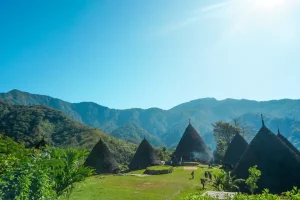
The air shifts. One moment, it’s the familiar, frangipani-laced warmth of the Bali coast; the next, as the road climbs and twists into the Kintamani highlands, it becomes something else entirely. It’s cooler here, thinner, carrying the scent of damp volcanic earth and the faint, sweet perfume of coffee blossoms. The hum of scooters gives way to the rustle of dense foliage and the distant call of a jungle bird. Sunlight, sharp and unfiltered at this altitude, dapples through the canopy, illuminating the glossy, deep-green leaves of Arabica trees. This is the sensory prelude to a proper bali coffee plantation tasting in july, a pilgrimage to the source, where the island’s most celebrated export begins its life.
Why July is the Optimal Month for a Coffee Pilgrimage
Timing, as any seasoned traveler knows, is everything. Arriving in Bali in July places you squarely in the island’s most idyllic climatic window. This is the apex of the dry season, a period stretching from May to September, where the relentless humidity of the wet season is a distant memory. Daily temperatures in the central highlands, where the best plantations are located, hover at a perfect 27 degrees Celsius (around 80°F). More importantly, rainfall is scarce, with monthly averages dipping below 50 millimeters. This meteorological advantage is not merely for tourist comfort; it is fundamental to the coffee harvest. While the main Arabica harvest often peaks a bit earlier, July is a critical time for processing. The abundant sunshine and low humidity are essential for the sun-drying process, where coffee cherries are laid out on vast patios, a practice you can witness firsthand. It’s the period when the farms are most active, a theater of agricultural precision. My guide, a third-generation farmer named Ketut, confirmed this on my last visit. “July and August,” he told me, gesturing to the meticulously raked beans, “this is when the sun gives the coffee its final blessing before it rests.” Visiting now means you are not just a spectator; you are witnessing a crucial, time-sensitive chapter in the life of the bean.
The Kintamani Highlands: Bali’s Volcanic Coffee Terroir
One cannot speak of Balinese coffee without paying homage to Kintamani. This high-altitude plateau, perched between 1,100 and 1,600 meters above sea level, is the island’s preeminent growing region for Arabica coffee. The district unfolds in the shadow of Mount Batur, an active volcano whose historical eruptions have blessed the region with incredibly fertile, mineral-rich soil. This unique terroir is the secret to Kintamani coffee’s celebrated flavor profile: bright, clean, with distinct citrus notes and a light, syrupy body. The entire Batur Caldera is recognized as a UNESCO Global Geopark, its geological and cultural significance. Agriculture here is governed by a philosophy of harmony, most notably the Subak Abian, a traditional system of community-based irrigation and land management. Unlike the more famous rice paddy subaks, these focus on plantations. This means coffee is often grown in the shade of other trees like orange and tangerine, which farmers believe contributes to the coffee’s signature fruity notes. This is a far cry from industrial monoculture. For a deeper the specifics of this region and its varietals, our The Definitive Bali Coffee Beans Guide offers a comprehensive overview. The experience of standing on a slope overlooking the caldera, a cup of single-origin Kintamani in hand, connects you directly to this potent, volcanic earth.
Beyond Arabica: Uncovering the Full Spectrum of Balinese Coffee
While Kintamani’s Arabica rightly commands the spotlight, a comprehensive bali coffee plantation tasting in july reveals a wider world of flavor. Venture west to the Pupuan region in Tabanan, and you’ll find the island’s Robusta heartland. Grown at lower altitudes, Balinese Robusta is prized for its full body, low acidity, and deep, chocolatey notes—the perfect backbone for a potent espresso blend. A high-end tasting flight will often feature both, allowing for a direct comparison of how altitude and varietal shape the final cup. Then, of course, there is the most famous—and controversial—Indonesian coffee: Kopi Luwak. The coffee is produced from cherries that have been eaten and passed through the digestive tract of the Asian palm civet. Authentically and ethically sourced Kopi Luwak, collected from wild civets, is exceedingly rare and commands prices upwards of $500 per pound. Discerning travelers must be vigilant, as many tourist-focused plantations keep civets in distressing caged conditions. A reputable estate will be transparent about their collection methods, often showing you where their free-roaming civets live. The cost of a single cup, typically around 250,000 IDR (about $17 USD), reflects this ethical sourcing. Understanding the financial investment for these unique experiences is key; you can explore a full breakdown in our Bali Coffee Beans Pricing & Cost Guide to better plan your visit.
The Anatomy of a High-End Tasting Flight
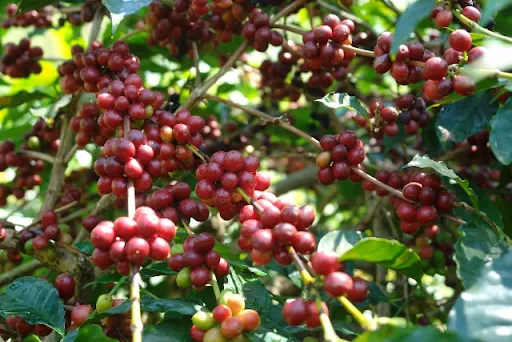
Forget the simple tasting trays offered at roadside stalls. A truly elevated coffee tasting is an immersive, multi-sensory education. The experience I arranged through bali coffeebeans began not with a cup, but with a walk through the groves. The guide handed me a ripe, crimson coffee cherry, encouraging me to taste the sweet pulp surrounding the two beans within. From there, we moved to the processing station. Here, the air was thick with the earthy, fermented scent of wet-hulled beans—a method known locally as Giling Basah. This technique, as detailed by coffee production experts, is characteristic of Indonesian coffee and contributes to its prized heavy body and muted acidity. We watched as a small-batch roaster tumbled the green beans, their color slowly deepening from pale green to a rich, oily brown, releasing an intoxicating aroma. Only then were we led to the tasting pavilion. Before us was a flight not of four or five, but twelve different infusions: Kintamani Arabica (light and medium roast), Pupuan Robusta, a peaberry varietal, the famed Kopi Luwak, and an array of locally grown teas and spices, from lemongrass and ginger to the intriguing mangosteen peel tea. Each was served in a small, handleless cup, allowing us to appreciate the color and aroma before tasting. The coffee master guided us through the notes, asking us to identify the bright lemon of the Arabica versus the dark cacao of the Robusta. It was less a tasting and more a masterclass in the palate of the island.
Curating Your Itinerary: From Plantation to Palate
To truly appreciate a bali coffee plantation tasting in july, logistics matter. The best estates are often located on smaller, less-traveled roads, far from the main tourist thoroughfares. Navigating these steep, winding paths is best left to a professional. I strongly advise hiring a private car and driver for the day, an investment of roughly $60-$90 USD that pays dividends in comfort, safety, and local insight. A knowledgeable guide can steer you away from the large-scale commercial operations that cater to tour buses and toward smaller, family-owned estates that offer a more authentic and intimate experience. The key is to book in advance, especially during the July peak season. A well-planned day can weave the coffee tasting into a larger cultural . For instance, you could combine a morning tasting in Kintamani with a visit to the nearby Tirta Empul water temple for a purification ritual, followed by a late lunch at a restaurant with panoramic views of the Mount Batur caldera. This transforms a simple tasting into a cohesive, immersive day that captures the essence of highland Bali. For those who prefer a seamless, expertly planned journey, our concierge service can help. You can book a curated Bali Coffee Beans tour that combines exclusive plantation access with other bespoke island experiences, ensuring every detail is handled with precision.
Quick FAQ: Your Bali Coffee Plantation Tasting in July
What is the proper attire for a plantation visit?
Think layers and practical footwear. The highlands are noticeably cooler than the coast, so while you’ll want light, breathable fabrics like linen or cotton, a light jacket or pashmina is advisable, especially for morning tours. The terrain on the plantations can be uneven, so comfortable walking shoes or closed-toe sandals are essential—leave the heels at your villa.
Is it necessary to book a tasting tour in advance?
For a generic, walk-in experience at a large plantation, no. But for the kind of private, in-depth tour we recommend, absolutely. In the peak month of July, the best guides and boutique estates are booked well in advance. I suggest securing your reservation at least 72 hours prior, if not a full week, to guarantee availability and a personalized experience.
How can I ensure the Kopi Luwak I’m tasting is ethical?
This requires due diligence. Ask direct questions: Are the civets caged or wild? Can they show you where the animals live? Reputable, ethical producers will be proud to demonstrate their commitment to animal welfare and will often have certifications or affiliations with wildlife protection groups. If the answers are vague or you see rows of small cages, it’s best to decline. The official tourism board, Indonesia.Travel, also promotes sustainable and eco-conscious tourism practices as a guideline.
What is the typical duration of a coffee tour and tasting?
A comprehensive tour and tasting at a quality plantation will typically last between 90 minutes and two hours. This allows enough time for a guided walk through the coffee groves, a demonstration of the processing and roasting stages, and a leisurely, guided tasting flight without feeling rushed.
A journey into Bali’s coffee heartland is more than an excursion; it is a deep- the island’s agriculture, geology, and cultural soul. To visit in July is to see this world at its most vibrant and productive. The rich, volcanic soil beneath your feet, the warm sun on your face, and the complex, extraordinary flavors in your cup create a connection to this place that is both profound and lasting. It’s an essential experience for any discerning traveler seeking to understand the true essence of the island. Let the experts at bali coffeebeans craft your perfect journey into the world of Indonesian coffee, ensuring an experience that is as authentic as it is unforgettable.