Contact Bali Coffee Beans

Bali coffee beans signify single-origin Arabica varietals cultivated across Bali’s high-altitude plateaus, specifically prepared for the international specialty coffee market. Juara Holding facilitates direct trade of Kintamani arabica, Pupuan Typica, and Munduk highland selections. Our operations prioritize certified organic practices by 2026 and transparent B2B importer relationships.

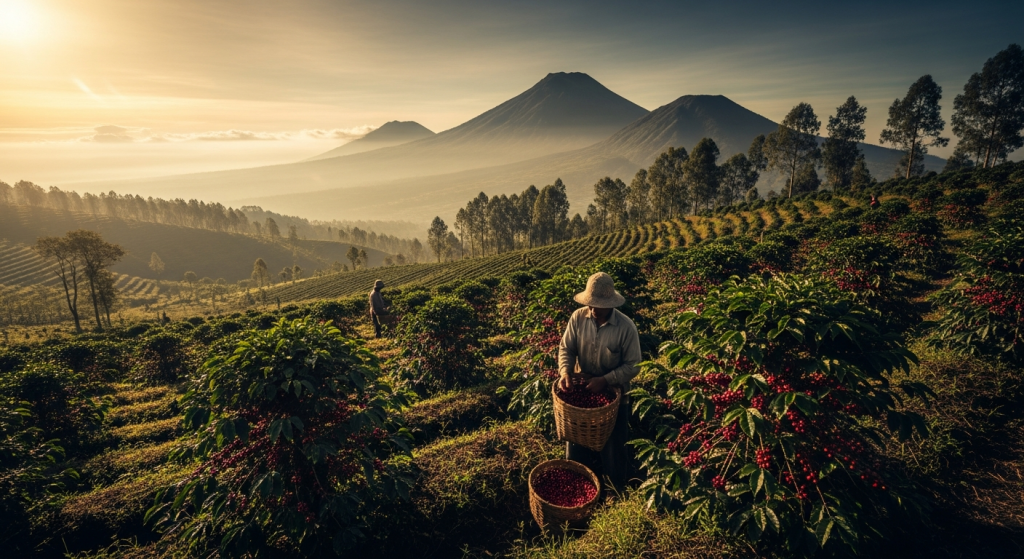
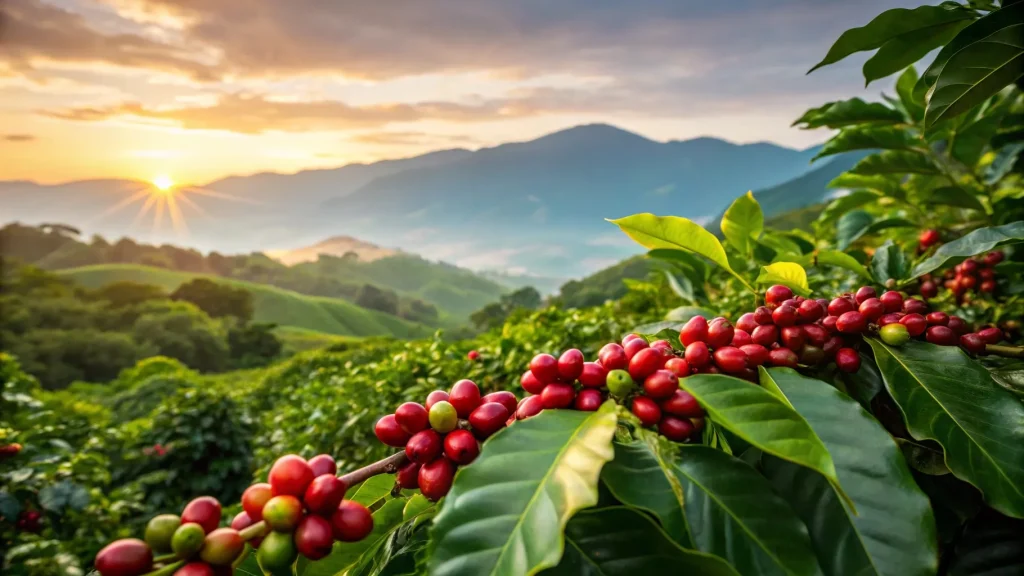
The morning air across Bali’s Kintamani plateau carries the distinct aroma of ripening coffee cherries. Here, direct trade relationships cultivate the future of specialty Bali coffee beans, connecting discerning roasteries worldwide.

Direct Trade for Bali Specialty Coffee Importers

Juara Holding extends a direct invitation to international coffee importers and specialty roasteries seeking exceptional Bali coffee beans. Our model bypasses intermediaries, ensuring transparency and efficiency from the high-altitude farm to your roastery door. We specialize in wholesale volumes of single-origin arabica, primarily from Kintamani, Pupuan, and Munduk. Current export capacity handles 25 metric tons monthly, providing consistent supply for partners in DE, US, EU, AU, JP, and KR. Our commitment to direct trade ensures fair prices for Balinese farmers, a practice we formalized with Fair Trade certification in 2023. For immediate inquiries or to discuss specific varietal requirements, please reach out directly via email: bd@juaraholding.com.

Sourcing Precision from Bali’s Coffee Highlands

Our Bali coffee beans originate from distinct highland terroirs, each imparting unique flavor profiles. Kintamani arabica, cultivated on volcanic slopes at 1,300 to 1,700 meters above sea level, benefits from rich, fertile soil and a traditional subak irrigation system. The Pupuan terraces, located in Tabanan Regency, yield robust Typica varietals known for balanced acidity, grown at elevations between 900 and 1,200 meters. Further north, Munduk coffee from Buleleng Regency offers distinct earthy notes, thriving in cooler microclimates around 1,000 meters. Tampaksiring and Karangasem also contribute micro-lots, each selected for their specific cup characteristics and adherence to specialty standards. These regions represent Bali’s primary coffee-growing zones, with annual yields varying by micro-climate and cultivation practice. Learn more about Bali’s unique agricultural heritage on Wikipedia.

Juara Holding’s Commitment to Quality and Certification

Quality is paramount in every stage of our Bali coffee beans export process. Juara Holding operates a dedicated specialty roastery, ensuring precise roasting profiles for samples and specific client requests. We strictly adhere to SCA (Specialty Coffee Association) grading protocols, with typical green bean scores exceeding 85 points. Processing methods include fully washed, natural, and honey, tailored to highlight the inherent qualities of each micro-lot. Our sustainability initiatives are robust, targeting full organic certification by 2026 across all partner farms, building upon our current Fair Trade status. This holistic approach guarantees not only superior coffee but also ethical sourcing and environmental stewardship. Current moisture content for export-grade green beans is maintained at 10-12%, ensuring optimal preservation during transit.

Global Logistics for Bali Coffee Beans Export

Juara Holding streamlines the export of Bali coffee beans, providing efficient logistics solutions for international B2B buyers. Our operational hub near Denpasar allows for rapid processing and shipment from Tanjung Benoa Port, Bali, or Surabaya, East Java. We manage all export documentation, including phytosanitary certificates and certificates of origin, ensuring compliance with international trade regulations. Typical lead times for a 20-foot container (approximately 19,200 kg of green beans) range from 4 to 6 weeks from order confirmation to port departure. We serve major markets including Germany, the United States, Europe, Australia, Japan, and South Korea, with established shipping routes. Our goal is to make sourcing premium Bali origin coffee as seamless as possible for global importers. For insights into Indonesia’s trade landscape, visit Indonesia.travel.

Partner with Juara Holding: Your Bali Coffee Connection

Establishing a partnership with Juara Holding opens direct access to the finest Bali coffee beans, supported by our commitment to quality, transparency, and reliable supply. Our team is available to discuss your specific requirements, from single-origin Kintamani arabica micro-lots to larger wholesale orders. We operate during Bali business hours, Monday to Friday, 9:00 AM to 5:00 PM WITA (GMT+8). Expect a comprehensive response within 24-48 business hours for all inquiries. Connect with us via email at bd@juaraholding.com or for immediate assistance, send a message to our WhatsApp business line at +62 811-3941-4563. We look forward to forging a lasting relationship.

Connect with Juara Holding today to discover the unparalleled quality of Bali coffee beans. Explore our full range of offerings and learn more about our sustainable practices by visiting our homepage. Your journey into the world of authentic Bali origin coffee begins here.

The unique terroir and cultivation of Bali’s specialty coffee

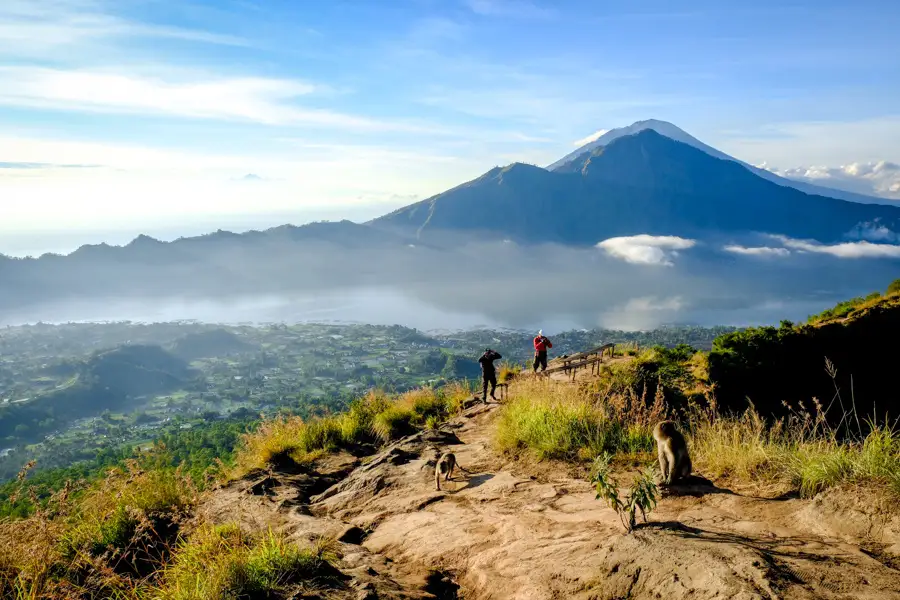
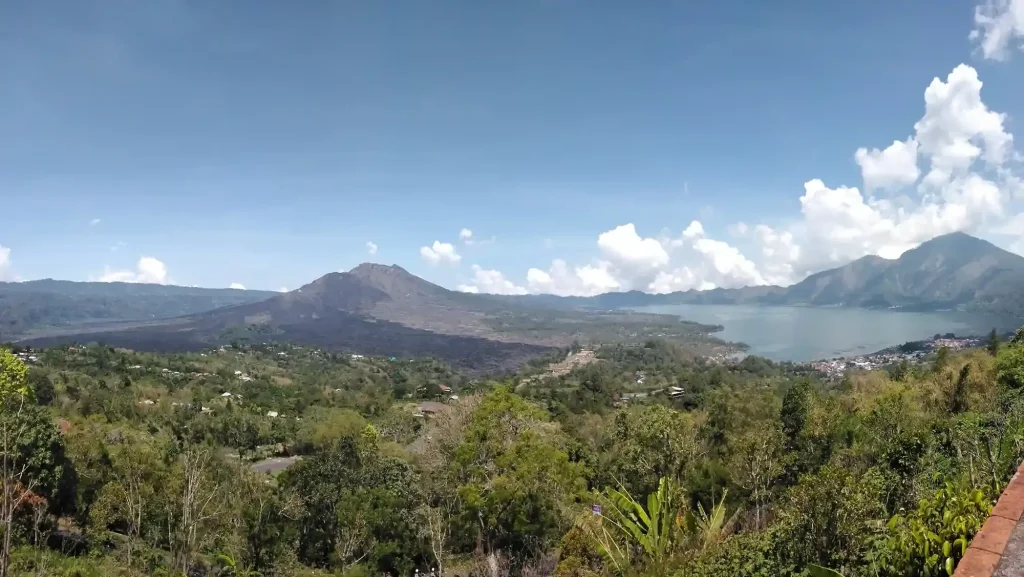
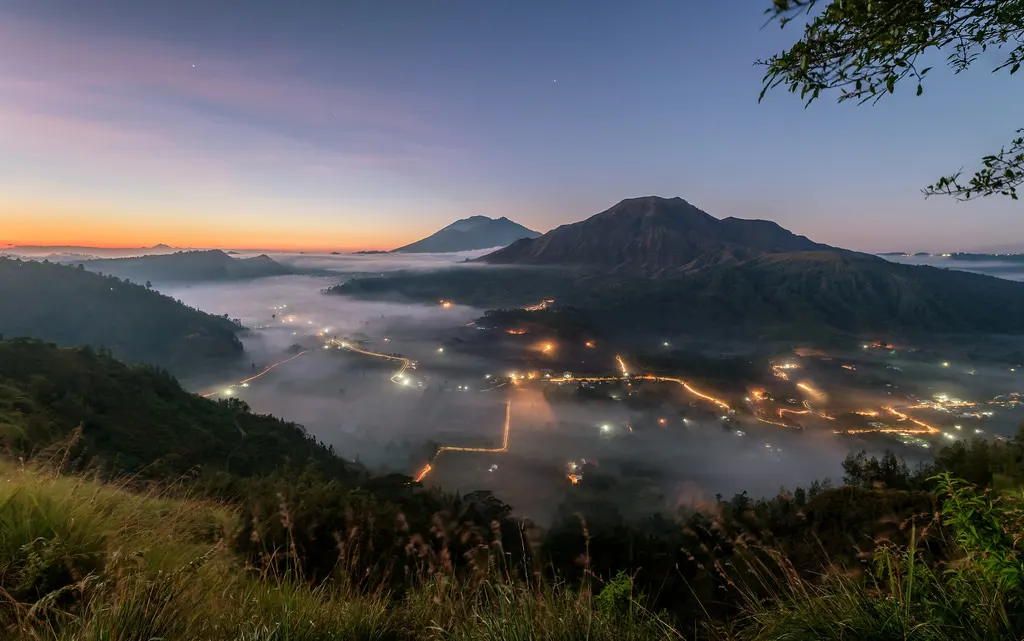
Imagine the fertile volcanic slopes of Mount Batur, where the island’s rich soil, nourished by mineral-rich ash, cradles the roots of exceptional coffee plants. This unique environment, characterized by consistent rainfall and high altitudes, creates a microclimate perfectly suited for cultivating high-quality Arabica varietals. The indigenous farming practices, deeply intertwined with the Balinese philosophy of Tri Hita Karana (harmony with God, people, and nature), ensure a sustainable approach that has been passed down through generations, directly influencing the distinct character of Bali coffee beans.

The influence of the ancient Subak irrigation system, a UNESCO World Heritage site, extends beyond rice paddies, contributing to the overall agricultural health and biodiversity of the coffee-growing regions. These high altitudes, particularly in the Kintamani plateau where elevations often exceed 1,200 meters above sea level, lead to a slower maturation of coffee cherries. This extended development concentrates sugars and complex acids, resulting in a cup profile renowned for its bright acidity, clean finish, and nuanced notes of citrus, chocolate, and floral undertones.

Cultivation practices further distinguish Bali’s specialty coffee. Farmers traditionally grow coffee under the shade of larger trees, often intercropped with citrus plants like tangerine and orange. This natural canopy protects the delicate coffee plants from harsh sun, enriches the soil through leaf litter, and contributes to the characteristic citrusy notes found in many Bali coffee beans. The meticulous hand-picking process, where only perfectly ripe cherries are selected, underscores a commitment to quality that is evident in every batch, ensuring each bean contributes to an exceptional brewing experience.

Experiencing Bali’s coffee culture: From farm to cup

Beyond the cup, a journey into Bali’s coffee culture offers an immersive experience for the luxury traveler, a chance to connect with the island’s agricultural heart. Picture waking up to the mist-shrouded hills, then embarking on a private tour of a family-run plantation, guided by the very farmers who tend these precious trees. This intimate interaction provides unparalleled insight into the daily lives and deep-rooted traditions of the Balinese coffee community, offering a perspective far richer than a simple tasting.

Visitors can witness the entire journey of Bali coffee beans: from observing farmers selectively hand-picking ripe cherries, to the traditional wet-hulling method unique to Indonesia, and the careful sun-drying process on bamboo mats or concrete patios. Exclusive tasting sessions allow connoisseurs to discern the subtle differences between Kintamani Arabica, Pupuan Typica, and Munduk highland selections, often paired with local Balinese delicacies. These curated experiences are designed to offer a deep understanding and appreciation for the meticulous craft and passion behind every bean.

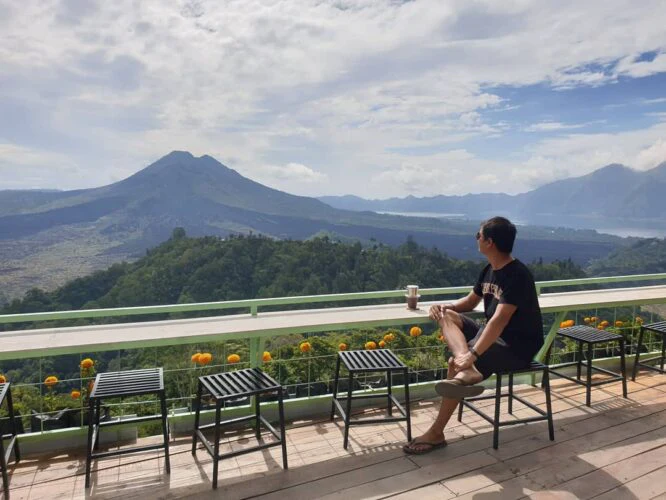
Many high-end resorts and boutique hotels across Bali now offer bespoke coffee experiences, collaborating directly with local farms and artisan roasteries. These can include private workshops on advanced brewing techniques, guided visits to state-of-the-art processing facilities, or even sunrise treks through fragrant coffee groves, culminating in a freshly brewed cup overlooking breathtaking vistas. This seamless integration of cultural immersion and refined service elevates the perception of Bali coffee beans from a mere commodity to a cherished luxury item, embodying the spirit of Indonesia’s luxury tourism.

The future of Bali coffee: Sustainability and innovation

At the core of Bali’s burgeoning specialty coffee industry lies a profound commitment to sustainability and community welfare. This ethos guides every step, from seed to export, ensuring that the pursuit of exceptional coffee does not come at the expense of the environment or its people. Beyond the transition to certified organic farming by 2026, many farms employ regenerative agriculture techniques, enhancing soil health, conserving water, and fostering biodiversity.

These practices include natural pest control, composting, and the integration of diverse plant species, ensuring the land remains fertile and productive for future generations. The focus is not just on meeting organic standards, but on holistic ecological stewardship, making each batch of Bali coffee beans a testament to responsible and forward-thinking agriculture. This dedication to sustainable practices also resonates deeply with the discerning global consumer, who increasingly values ethically produced and environmentally conscious products.

Furthermore, the direct trade model championed by Juara Holding ensures a significantly larger portion of the export price reaches the farmers directly. This empowers local communities, funding education, healthcare, and infrastructure projects within the coffee-growing villages. For example, some initiatives have seen farmers’ incomes increase by 30-40% compared to traditional market channels, fostering a resilient and thriving coffee industry. This commitment to equitable partnerships cultivates not just superior Bali coffee beans, but also a better quality of life for its dedicated producers.