Editorial Standards — How Bali Coffee Beans Researches & Verifies
At Bali Coffee Beans, we believe that trust is the foundation of any successful B2B partnership.
Our Content & Information Integrity Standards
Commitment to Transparency and Accuracy
At Bali Coffee Beans, we believe that trust is the foundation of any successful B2B partnership. This principle extends beyond our coffee to the information we provide on our website, in our reports, and through our communications. Our goal is to be the most reliable and transparent source of information on Balinese specialty coffee. This page outlines the editorial standards that govern our content creation, fact-checking, and sourcing information.
Research and Sourcing Process
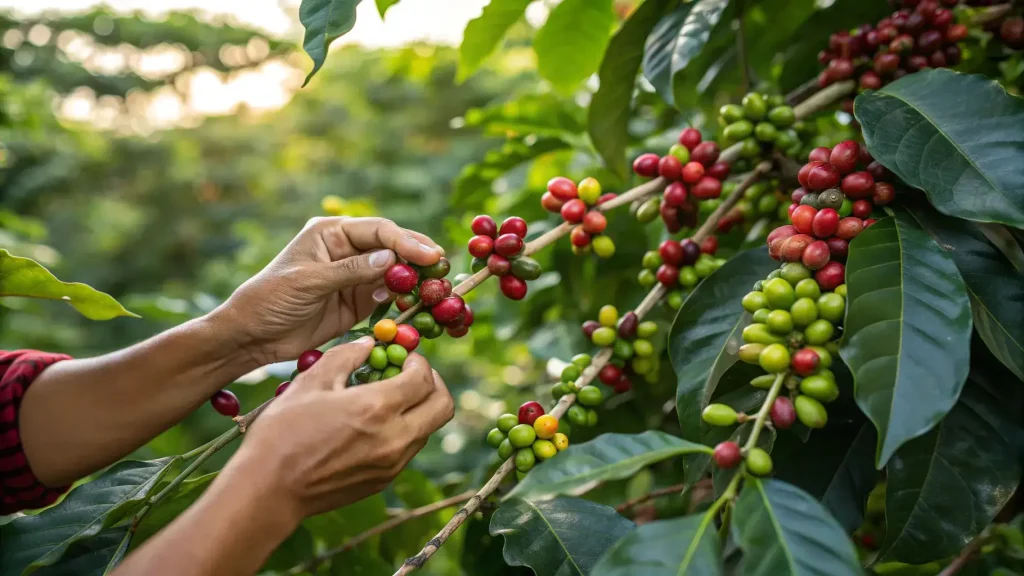
All information presented regarding coffee origins, processing methods, and farmer profiles is gathered firsthand by our sourcing team, led by I Gede Wirawan. Our process includes:
- Direct Interviews: We conduct structured interviews with cooperative leaders and individual farmers in their local language to understand their history, cultivation techniques, and challenges.
- On-Site Verification: Our team, including our Head of Sourcing and Sustainability Officer, makes regular, documented visits to every farm and cooperative we partner with. These visits are detailed in our methodology for partner audits.
- Data Collection: We collect data on farm elevation, soil type, varietals grown, and processing specifics (e.g., fermentation times, drying methods) for every single micro-lot. This data forms the basis of the technical specifications we provide to our clients.
- Third-Party Sources: When citing broader industry data, Indonesian regulations, or scientific research, we rely exclusively on primary sources. These include publications from the Indonesian Coffee and Cacao Research Institute (ICCRI), statistics from Badan Pusat Statistik (BPS), regulations from the Kementerian Pertanian (Ministry of Agriculture), and reports from the International Coffee Organization (ICO).
Fact-Checking and Verification Workflow
Accuracy is paramount. Before any content is published, it undergoes a rigorous multi-stage verification process:
- Initial Draft: Our content team drafts articles, lot descriptions, or reports based on the primary research.
- Expert Review: The draft is reviewed by the relevant internal expert. For example, a description of a new anaerobic processed lot from Tampaksiring is reviewed by Siti Nurhaliza, our Head Q Grader, for technical accuracy. A post about export logistics is reviewed by David Chen.
- Source Corroboration: All claims, statistics, and regulatory mentions are cross-referenced with the original source documents. Links to primary sources are provided where possible.
- Final Approval: No content is published without final approval from our Director of International Sales, ensuring it is clear, accurate, and valuable to our B2B audience.
Update Cadence and Corrections Policy
The world of coffee is dynamic. We are committed to keeping our information current. Our core pages, such as our list of available Bali coffee beans and partner cooperative profiles, are reviewed and updated quarterly. Information regarding export regulations is updated immediately following any official announcement from Indonesian government bodies like Bea Cukai or Barantan.
If an error is identified, we are committed to correcting it promptly and transparently. A correction notice will be appended to the bottom of the content, detailing what was changed and when. We encourage our partners and readers to report any potential inaccuracies to [email protected].
Conflict of Interest Policy
Bali Coffee Beans is a commercial entity. Our primary business is the wholesale export of coffee. However, our editorial content is governed by a policy of honesty. We do not accept payment for positive reviews or mentions. The information we provide about our partner farms is based on our direct trade relationships and our rigorous quality assessments. We clearly distinguish between factual, educational content and promotional materials. Our affiliation with the Juara Holding Group is always clearly disclosed.
Continue exploring Bali Coffee Beans:
Our Bali Coffee Beans Service ·
Meet Our Team ·
Editorial Standards ·
Methodology ·
Sustainability ·
Safety & Compliance
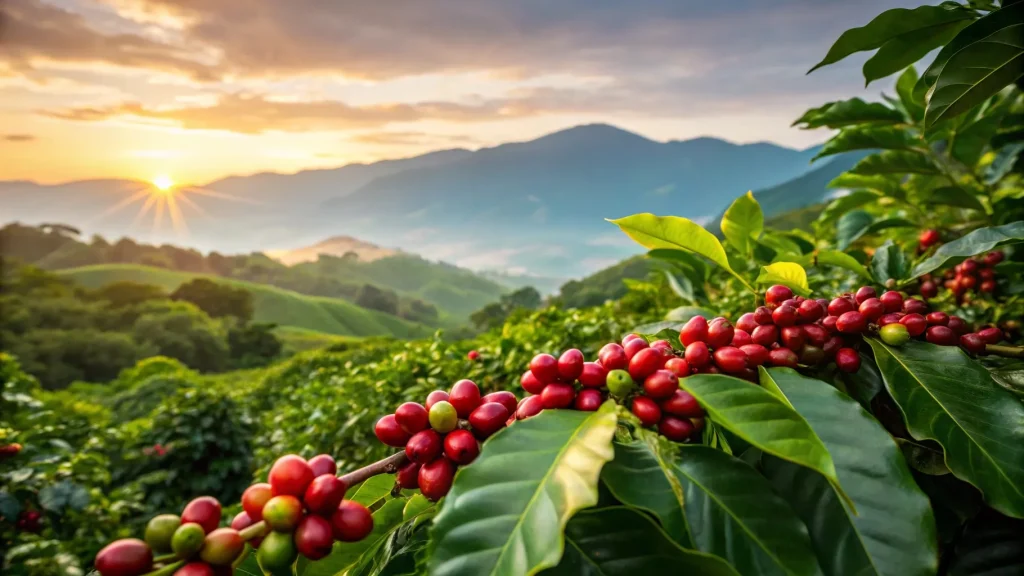
Ensuring quality and traceability
The aroma of freshly roasted Arabica, rich with notes of dark chocolate and citrus, speaks volumes of Bali’s volcanic soil and meticulous cultivation – but it’s the verified journey of each bean that truly tells its story, a narrative we meticulously document for our discerning partners.
Beyond the visual inspection, our team employs advanced laboratory analysis to confirm the intrinsic quality of Bali coffeebeans. This includes moisture content, bean density, and defect analysis, ensuring each batch meets rigorous international specialty coffee standards. We often conduct cupping sessions with certified Q Graders, providing objective flavor profiles and aroma evaluations that are cross-referenced with origin data.
Traceability is paramount, offering our B2B partners complete transparency from farm to export. We implement a robust digital tracking system that records every step: from the specific plot coordinates, harvest date, and farmer identification, through to processing method and storage conditions. This granular data allows for precise origin verification, assuring buyers of the authenticity and provenance of every bag of Bali coffeebeans.
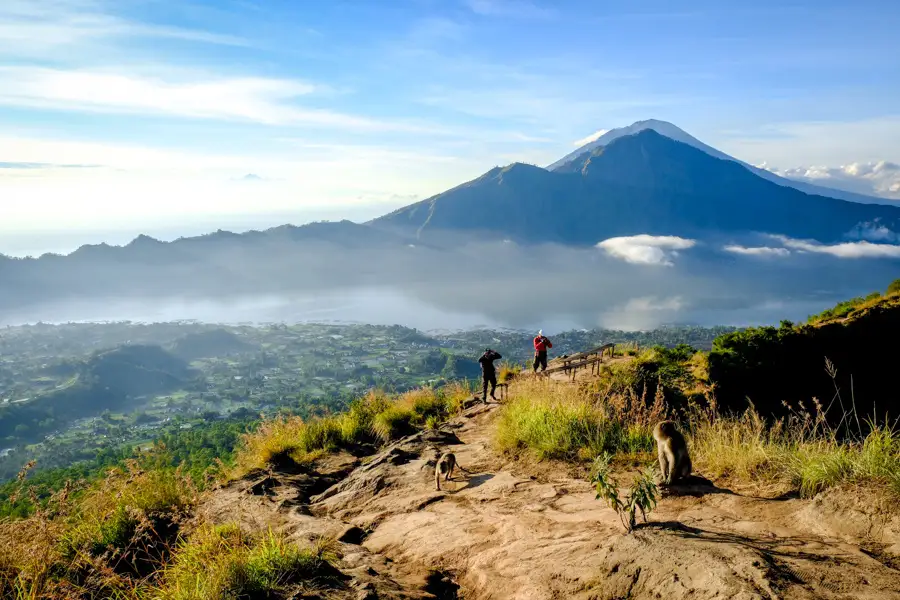
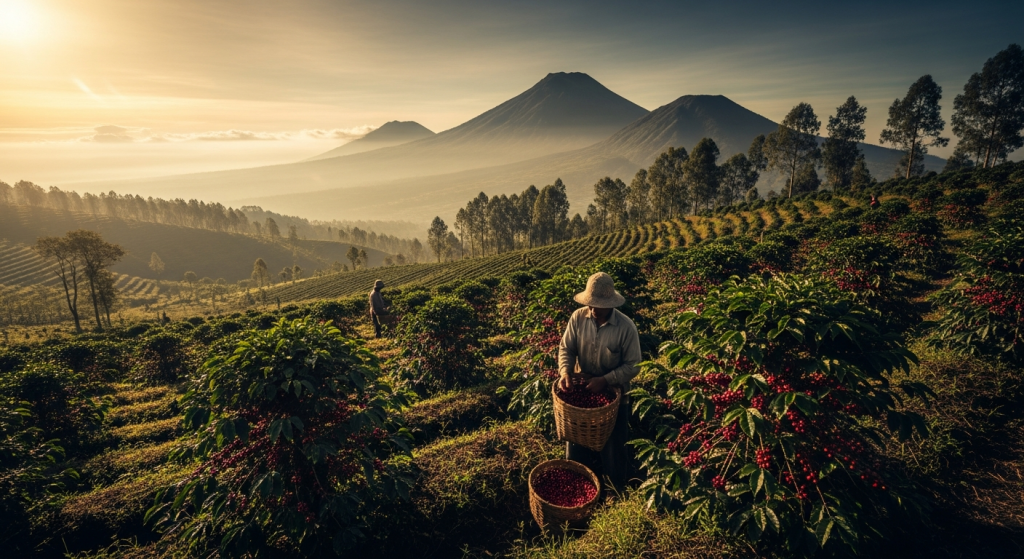
Our verification extends to the unique terroir that defines Balinese coffee. The volcanic highlands, particularly around Kintamani, provide ideal growing conditions at elevations typically ranging from 1,200 to 1,600 meters above sea level. Our research meticulously documents these environmental factors, connecting the unique soil composition and microclimates directly to the distinctive taste notes found in our coffee.
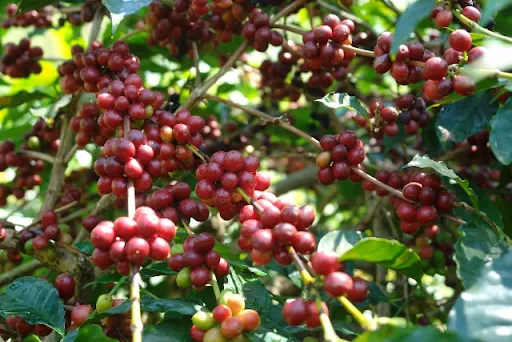
Verifying sustainable and ethical practices
Our commitment to ethical sourcing goes hand-in-hand with verifying sustainable farming practices. We actively monitor the environmental impact of cultivation, ensuring that partner farms adhere to organic principles, minimize water usage, and promote biodiversity. This includes verifying the absence of harmful pesticides and the implementation of natural pest control methods, safeguarding Bali’s pristine ecosystems.
A cornerstone of Balinese agriculture, and a key focus of our verification, is the traditional Subak irrigation system. This ancient, democratic system of water management, recognized by UNESCO as a World Heritage Site, ensures equitable water distribution and sustainable land use across rice paddies and coffee plantations. Our team regularly assesses the integration of coffee farming within this holistic system, confirming its contribution to ecological balance and community welfare.
We prioritize the well-being of the farmers and their communities. Our verification process includes examining fair labor practices, ensuring equitable compensation, and assessing community development initiatives. We work with over 50 cooperatives and individual farmers, directly verifying that the premiums paid for specialty Bali coffeebeans translate into tangible benefits, such as improved infrastructure, educational opportunities, and access to healthcare for farming families.
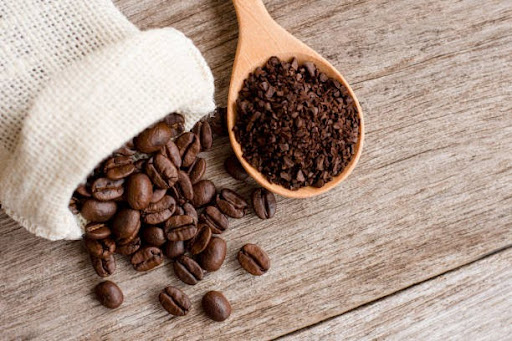
Rigorous data analysis and transparent reporting
All collected data, from interview transcripts and on-site observations to laboratory results and farmer profiles, undergoes a stringent internal review process. Our editorial team cross-references information from multiple sources, identifies any discrepancies, and seeks further clarification until a comprehensive and consistent narrative emerges. This multi-layered verification ensures the integrity and accuracy of every claim made about our Bali coffeebeans.
To maintain the highest standards of accuracy, our information is subject to regular audits and updates. The Balinese coffee landscape is dynamic, with evolving farming techniques, climate considerations, and market trends. Our sourcing team conducts annual verification visits to key regions, refreshing farmer profiles, confirming current practices, and updating yield data to ensure all our reported information remains current and relevant.
The culmination of our rigorous research and verification is presented in detailed, transparent reports for our B2B partners. These reports provide not just product specifications, but also the rich, verified story behind each bean – from the specific farm’s history and unique cultivation methods to the environmental and social impact of its production. This empowers our partners with authentic, compelling content for their own marketing and sales, building trust and distinguishing their offerings in the luxury market.